Esports, or competitive video gaming, has transformed from a niche hobby into a global phenomenon. What was once considered casual gaming among friends has evolved into a billion-dollar industry with professional players, international tournaments, and a passionate fanbase spanning every continent. The rise of esports represents not only the evolution of technology but also a cultural shift in how we view competition, entertainment, and community. This blog explores the history of esports, its growth, impact, and what the future holds for this dynamic industry.
The Origins of Competitive Gaming
The roots of esports can be traced back to the late 1970s and 1980s, when arcade games began to gain popularity. Competitions were often informal, taking place in arcades where players would try to achieve the highest scores on games like Space Invaders and Pac-Man. These early competitions were the first signs that gaming could be more than just entertainment—it could be a test of skill and strategy.
In the 1980s and 1990s, home consoles and personal computers made gaming more accessible. Games such as Street Fighter, StarCraft, and Counter-Strike introduced multiplayer competition, laying the foundation for modern esports. Gaming communities formed around these titles, often sharing strategies and competing in local tournaments. While small in scale, these early competitions demonstrated the potential for gaming as a competitive endeavor.
The Emergence of Online Multiplayer
The internet revolutionized gaming in the late 1990s and early 2000s. Online multiplayer games allowed players to connect across cities, countries, and eventually the world. Titles like Warcraft III, Counter-Strike, and DotA created the first large-scale competitive environments, where skill, teamwork, and strategy became critical for success.
Online multiplayer gaming also enabled new forms of community interaction. Forums, chat rooms, and fan sites became hubs for players to share knowledge, organize competitions, and celebrate achievements. The growth of these communities was crucial in transforming esports from a local pastime into a global phenomenon.
The Rise of Professional Esports
By the mid-2000s, esports began to professionalize. Major tournaments offered significant prize money, sponsorship deals, and recognition for top players. South Korea became a global hub for esports with the rise of professional StarCraft leagues, drawing massive television audiences and legitimizing gaming as a serious career.
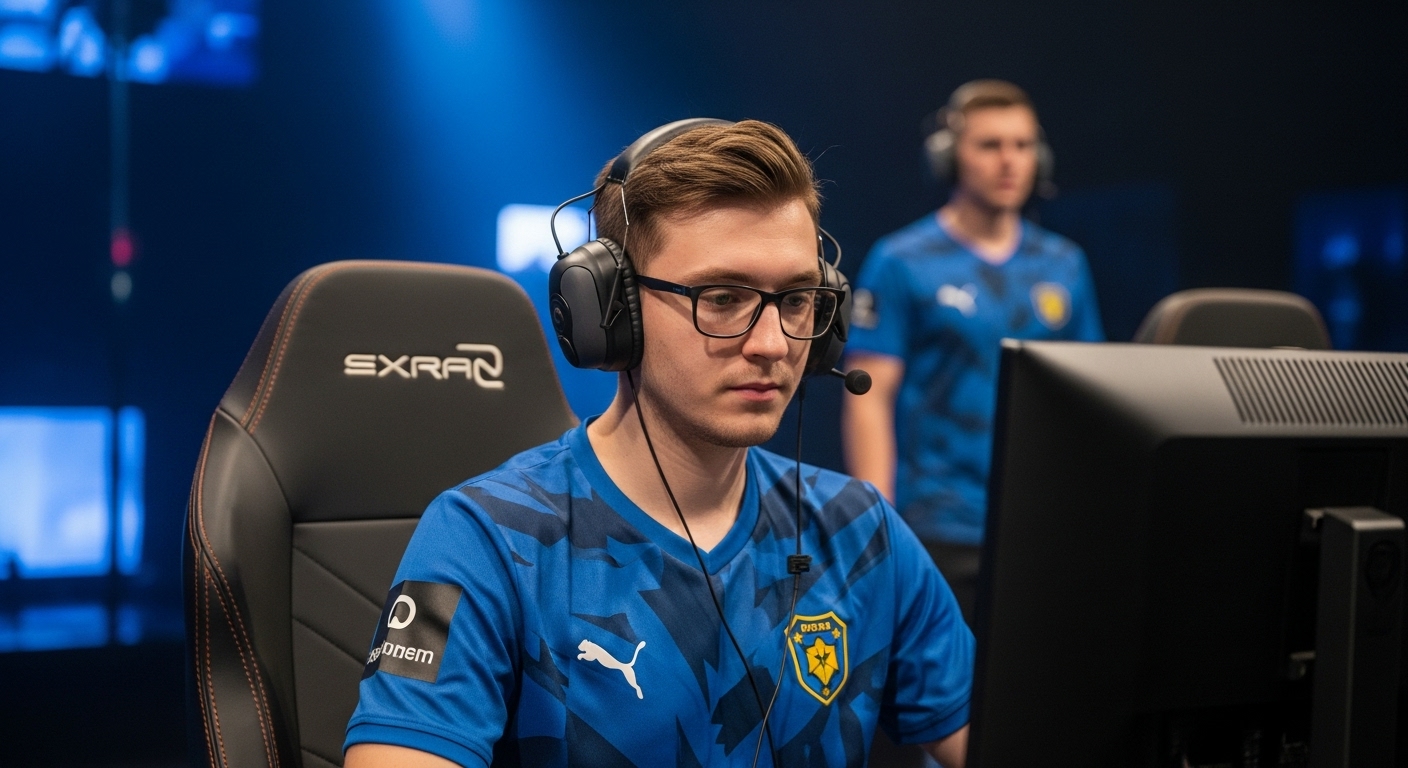
Professional teams emerged, often with coaching staff, analysts, and training regimens similar to traditional sports. Players dedicated themselves full-time to mastering games, strategizing, and maintaining peak performance. Sponsorship from hardware companies, energy drinks, and even mainstream media helped support the growth of competitive gaming into a legitimate industry.
Popular Esports Titles and Genres
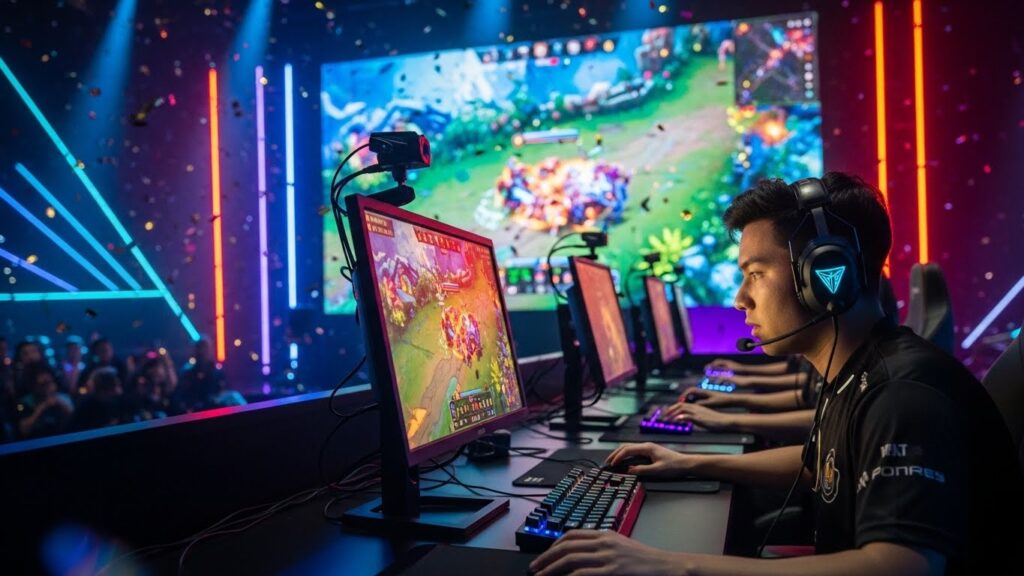
Esports spans a wide range of games and genres, each with its own unique competitive ecosystem. Multiplayer online battle arenas, or MOBAs, like League of Legends and Dota 2, emphasize teamwork, strategy, and skillful execution. First-person shooters (FPS) such as Counter-Strike: Global Offensive and Call of Duty focus on precision, reflexes, and coordination.
Fighting games, like Street Fighter and Tekken, offer fast-paced, head-to-head competition, while real-time strategy (RTS) games like StarCraft II test resource management, planning, and adaptability. Sports simulations, including FIFA and NBA 2K, replicate real-world sports in a digital format, appealing to both gaming and sports enthusiasts. This diversity in titles has helped esports attract a wide and varied audience.
Tournaments and Global Events
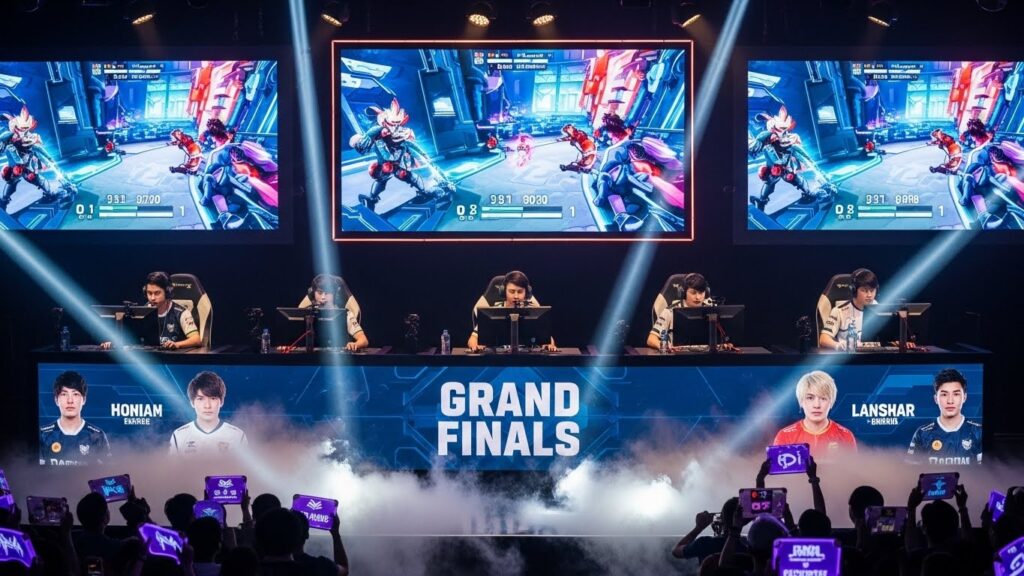
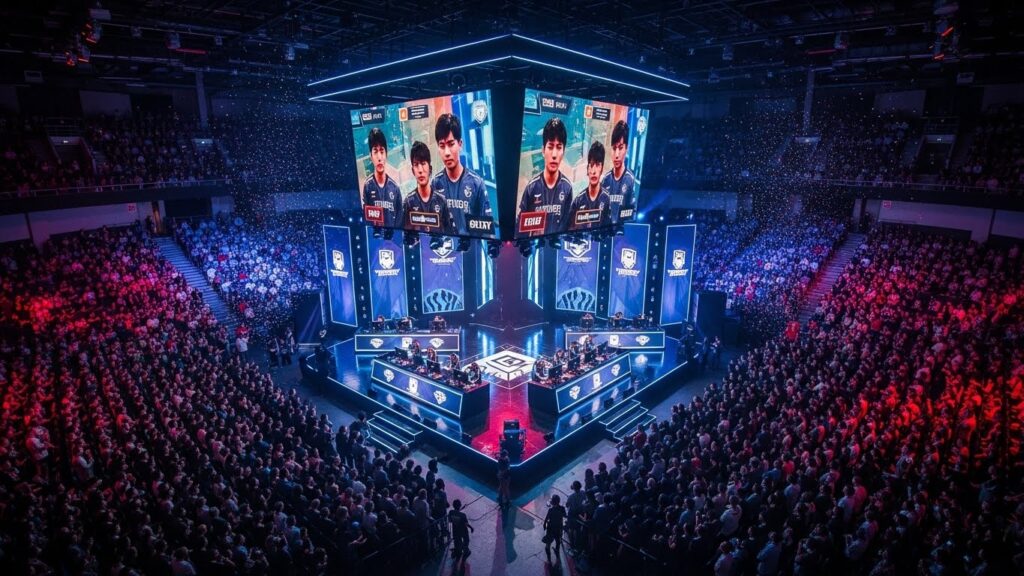
Esports tournaments are a major driver of the industry’s growth. Events like The International, League of Legends World Championship, and CS:GO Major Championships attract millions of viewers online and fill arenas with thousands of fans in person. Prize pools have reached tens of millions of dollars, highlighting the stakes and professionalism of competitive gaming.
Live streaming platforms such as Twitch, YouTube Gaming, and other video platforms have made esports more accessible to global audiences. Fans can watch professional players, learn strategies, and engage with their favorite teams in real-time. The accessibility of live streams has transformed esports into a spectator sport, blending the excitement of traditional sports with the interactivity of digital media.
Esports as a Career
Professional esports players, coaches, analysts, commentators, and content creators now form an entire ecosystem of careers. Top players earn substantial salaries, sponsorships, and prize money, rivaling traditional sports athletes in income and fame. Teams often operate like professional organizations, with structured practice schedules, nutrition plans, and mental coaching to ensure optimal performance.
Beyond playing professionally, careers in esports include casting, streaming, event management, journalism, and marketing. Universities have even started offering esports programs and scholarships, recognizing the skill, strategy, and dedication required to succeed in competitive gaming.
The Impact of Streaming and Content Creation
Streaming platforms have played a critical role in the expansion of esports. Streamers create content that educates, entertains, and inspires viewers. Live streams allow audiences to follow tournaments, watch practice sessions, or learn new strategies. Content creators also serve as ambassadors for games, attracting new players and expanding fan communities.
The combination of competitive gaming and content creation has created a symbiotic ecosystem. Professional players often stream their gameplay to build a personal brand and connect with fans, while tournaments and leagues benefit from the exposure that these streams generate. This dynamic has accelerated the growth and mainstream acceptance of esports.
Esports and Traditional Sports: Convergence and Recognition
Esports has increasingly gained recognition alongside traditional sports. Major sports organizations, including football clubs, basketball teams, and media companies, have invested in esports teams and tournaments. Some universities have integrated esports into their athletic programs, offering scholarships and facilities for competitive gaming.
The competitive rigor, teamwork, and strategy involved in esports mirror many aspects of traditional sports. Fans argue that esports requires mental agility, reflexes, and endurance, comparable to physical sports. As societal acceptance grows, esports continues to blur the line between physical and digital competition, earning its place in the world of professional athletics.
The Social and Cultural Influence of Esports
Esports is more than just a competition; it is a cultural movement. It brings people together across languages, nations, and age groups. Online communities provide social connections, forums for discussion, and opportunities for collaboration. For many, esports serves as a platform for identity, belonging, and creative expression.
The culture of esports extends into fashion, music, and lifestyle. Fans wear jerseys, follow their favorite players on social media, and attend events like traditional sports enthusiasts. Esports has fostered a unique identity and culture that resonates globally, illustrating the broad social impact of competitive gaming.
Challenges in Esports
Despite its rapid growth, esports faces several challenges. Mental and physical health is a concern, as players often face long hours of practice and intense pressure. Burnout is common, and some professional careers are short-lived due to the competitive nature of the industry.
The digital environment also introduces issues like cheating, harassment, and online toxicity. Governing bodies are working to implement regulations, fair play policies, and support systems to address these challenges. Ensuring the long-term sustainability of esports requires balancing competitiveness, ethics, and player well-being.
The Future of Esports
The future of esports is promising. Advancements in technology, including virtual reality, augmented reality, and AI-driven coaching, are set to enhance gameplay, training, and spectator experiences. Mobile esports is expanding rapidly, making competitive gaming accessible to wider audiences, especially in regions with high mobile adoption.
As mainstream acceptance grows, esports could become a permanent fixture in global sporting culture. Schools, colleges, and professional organizations are recognizing its value, and technological innovations will continue to redefine what is possible within competitive gaming. The future points to a more inclusive, immersive, and professional ecosystem for players and fans alike.
Conclusion
Esports has grown from arcade competitions and local tournaments into a global industry with millions of fans, professional players, and significant economic impact. It represents the convergence of technology, culture, and competition, creating a unique form of entertainment that is both participatory and spectator-friendly.
The rise of esports reflects broader societal shifts, including the digitalization of leisure, the growth of online communities, and the increasing legitimacy of virtual skill as a form of competition. While challenges remain, the industry’s rapid growth and mainstream acceptance suggest that esports will continue to evolve and thrive.
Ultimately, esports is more than just gaming—it is a testament to human creativity, strategy, and community in the digital age. It redefines what it means to compete, connect, and achieve, proving that the virtual world can have real-world significance.