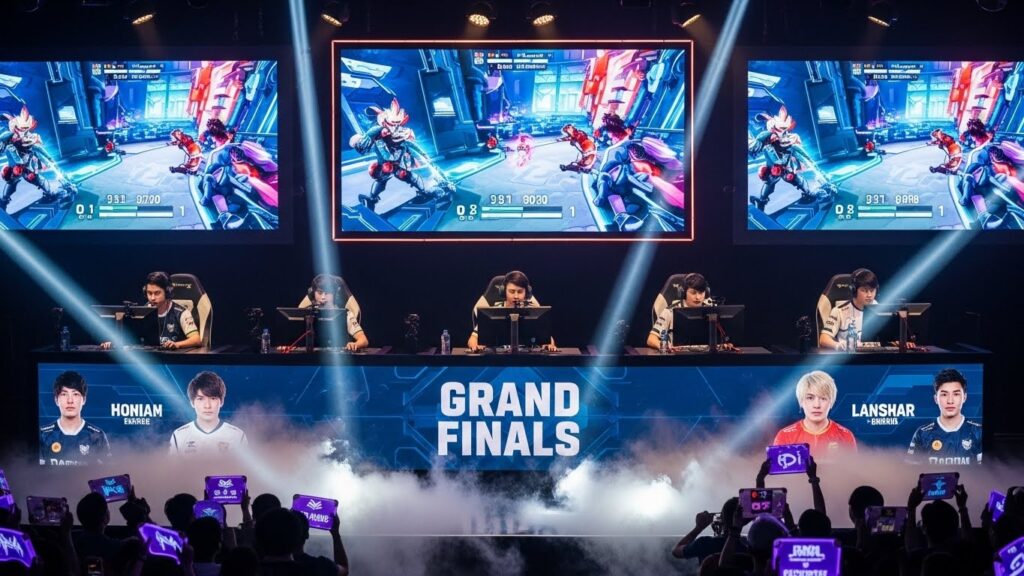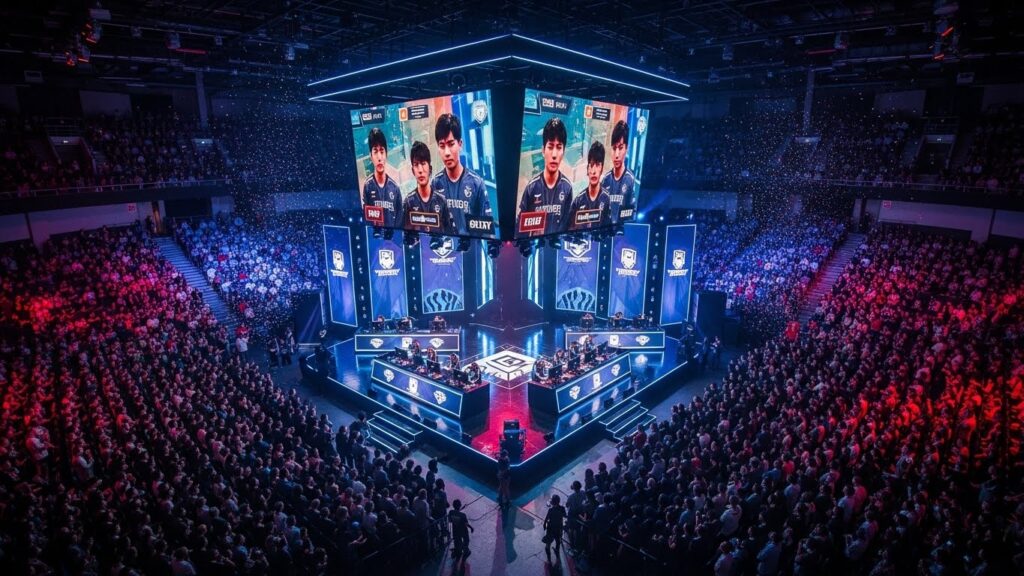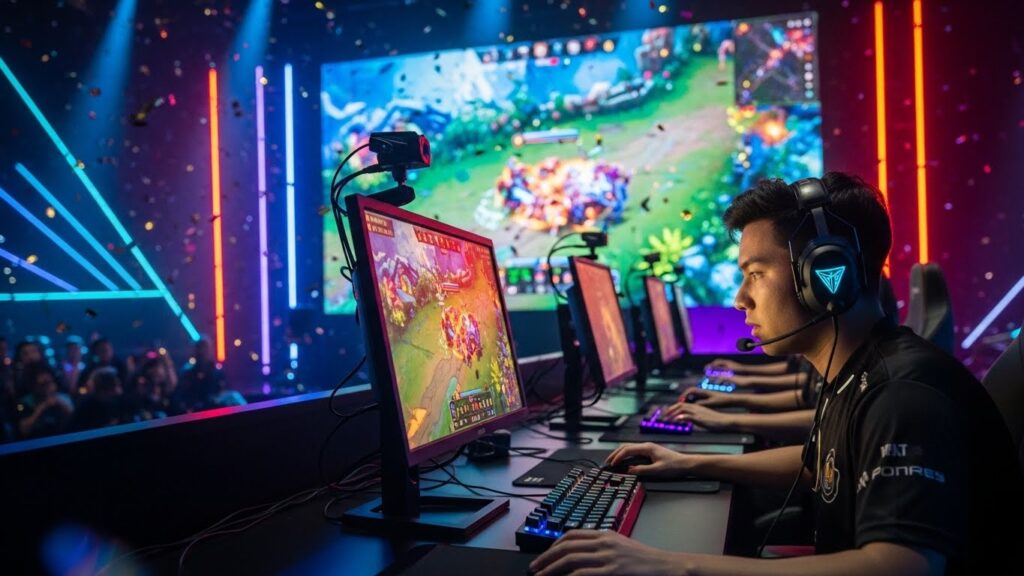

Esports, short for electronic sports, has grown from a niche hobby into a global entertainment and professional industry in less than three decades. Once dismissed as “just video games,” esports now commands massive audiences, generates billions in revenue, and has even begun to influence traditional sports. Competitive gaming is no longer just a pastime; it is a platform for athleticism, strategy, teamwork, and innovation. The rise of esports reflects broader changes in technology, media, and culture, creating new opportunities for players, fans, and businesses alike.
The Origins of Competitive Gaming
The story of esports begins in the early days of video games. In the late 1970s and early 1980s, games like Space Invaders, Pac-Man, and Donkey Kong captured the public imagination. Players competed for high scores in arcades, often gathering large crowds to witness extraordinary skills. While these early competitions were informal, they laid the groundwork for organized gaming tournaments.
The first widely recognized esports events emerged in the 1980s and 1990s. In 1980, the “Space Invaders Championship” in the United States attracted thousands of participants, setting a precedent for large-scale gaming competitions. With the rise of personal computers and early multiplayer games like Doom and Quake, competitive gaming began to develop a dedicated following. LAN (Local Area Network) parties became popular, allowing players to compete in real time, creating a community and culture around competitive gaming.
The Growth of Esports in the 2000s
The 2000s marked a pivotal decade for esports. Games such as StarCraft, Counter-Strike, and Warcraft III became staples of competitive gaming. South Korea played a particularly influential role, developing professional gaming leagues and television programs dedicated to esports. StarCraft: Brood War, for example, became a national obsession, with players achieving celebrity status and earning substantial salaries.
This era also saw the development of major esports tournaments with prize pools and sponsorships. Organizations like the Electronic Sports League (ESL) and Major League Gaming (MLG) helped formalize competitive gaming, introducing standardized rules, professional rankings, and international competitions. Esports began to gain legitimacy as an industry, attracting media attention and investment.
The Role of Online Streaming Platforms
The rise of online streaming platforms like Twitch, YouTube Gaming, and later Facebook Gaming revolutionized the esports ecosystem. Fans could now watch professional gamers live, interact through chat, and follow players’ journeys in real time. Streaming made esports more accessible and created a sense of community among viewers and players.
Streaming also provided new revenue streams for players and organizations. Popular streamers earned income through subscriptions, donations, sponsorships, and advertising. This model allowed esports to thrive outside traditional television networks, fostering a direct connection between players and fans. Social media further amplified the reach of esports, turning top players into influencers and expanding the audience globally.
Popular Esports Titles
Several games have been instrumental in shaping the esports landscape. Multiplayer online battle arenas (MOBAs) such as League of Legends and Dota 2 dominate the competitive scene, attracting millions of viewers and offering multi-million-dollar prize pools. First-person shooters (FPS) like Counter-Strike: Global Offensive, Overwatch, and Call of Duty emphasize reflexes, strategy, and teamwork.
Battle royale games, including Fortnite and PUBG, have introduced new formats and fan engagement opportunities. Fighting games like Street Fighter and Super Smash Bros. have cultivated dedicated communities with their own tournaments and circuits. Card-based and strategy games, such as Hearthstone and Magic: The Gathering Arena, highlight mental agility and strategic thinking.
Each game attracts a unique audience, but all share common elements: high skill ceilings, competitive intensity, and a thriving professional scene.
The Professionalization of Esports
Esports has evolved from casual competition to a professional industry with structured teams, coaches, analysts, and support staff. Professional players often train like traditional athletes, dedicating hours to practice, strategy, and physical conditioning. Nutrition, mental health, and recovery have become important aspects of a player’s regimen, reflecting the seriousness of esports as a career.
Esports organizations operate like traditional sports teams. They sign players to contracts, manage branding and sponsorship deals, and develop training programs. Some organizations maintain multiple teams across different games, expanding their reach and influence. The professionalization of esports has elevated its status, attracting mainstream recognition and investment from celebrities, sports franchises, and global brands.
Major Esports Tournaments
Esports tournaments have become major cultural events, often rivaling traditional sports in viewership. The League of Legends World Championship, held annually, attracts millions of viewers online and fills stadiums worldwide. Dota 2’s International Tournament is famous for its record-breaking prize pools, often exceeding thirty million dollars.
Other notable events include the Fortnite World Cup, Call of Duty League Championship, and Overwatch League Finals. These tournaments showcase the highest levels of skill, strategy, and teamwork. They also provide opportunities for fan engagement, live experiences, and brand promotion. Esports events now feature elaborate productions, professional commentary, and live entertainment, emphasizing the spectacle of competition.
Esports and Traditional Sports Integration
Traditional sports organizations have recognized the potential of esports as a complementary industry. Football clubs, basketball teams, and other franchises have launched esports divisions, signing professional gamers and participating in virtual leagues. The NBA 2K League, for example, is operated in partnership with the National Basketball Association, blending traditional sports and competitive gaming.
This integration has brought new audiences and revenue streams. Fans of traditional sports can engage with esports versions of their favorite games, while esports fans gain exposure to conventional athletic competitions. Sponsorship and marketing opportunities expand across both industries, creating a mutually beneficial relationship.
The Economic Impact of Esports
Esports is a multi-billion-dollar industry with significant economic impact. Revenue comes from various sources, including sponsorships, advertising, media rights, merchandise, and ticket sales. Brands recognize the value of esports for reaching younger, tech-savvy audiences, leading to partnerships with beverage companies, technology firms, and lifestyle brands.
Professional players, streamers, and content creators generate personal income through competitions, streaming, and brand collaborations. Esports organizations reinvest in infrastructure, talent development, and marketing, fueling further growth. The economic influence of esports extends beyond players and teams, supporting ancillary industries such as event management, broadcasting, and gaming hardware.
Esports Culture and Community
Esports has cultivated a distinct culture and community. Fans engage deeply with the games they love, following players, teams, and tournaments passionately. Online forums, social media groups, and fan art communities allow for discussion, debate, and celebration. Memes, chants, and rituals develop around games, creating shared identities among fans.
Streaming platforms facilitate real-time interaction between players and audiences, fostering connection and loyalty. Fans can learn strategies, watch behind-the-scenes content, and even participate in amateur competitions. This level of engagement distinguishes esports from traditional sports and highlights the participatory nature of digital entertainment.
Challenges in Esports
Despite its rapid growth, esports faces several challenges. Player burnout is a serious issue, as professional gamers often train for long hours under intense pressure. Mental health concerns, repetitive strain injuries, and limited career longevity require attention and support from organizations.
Regulation and governance are also evolving. Ensuring fair play, enforcing rules, and preventing cheating or doping in esports requires consistent oversight. Intellectual property rights, broadcasting standards, and contractual disputes further complicate the landscape.
Diversity and inclusion remain areas for growth. Esports has historically been male-dominated, and efforts are underway to create more opportunities for women and underrepresented communities. Promoting equitable access and supportive environments will be crucial for the industry’s long-term sustainability.
The Global Reach of Esports
Esports is a global phenomenon with major hubs in Asia, Europe, and North America. South Korea, China, and Japan lead in competitive gaming culture, with well-established leagues and professional infrastructure. North America and Europe host major tournaments and boast large fan bases. Emerging markets in Latin America, the Middle East, and Southeast Asia are rapidly growing, expanding the global reach of esports.
International collaboration and competition have created a truly global ecosystem. Players travel across continents to compete, share strategies, and form multinational teams. Fans from diverse cultures connect through online platforms, creating a worldwide community united by a shared passion.
The Future of Esports
The future of esports promises continued growth, innovation, and mainstream recognition. Advancements in technology will create more immersive experiences through virtual reality, augmented reality, and AI-powered analytics. Interactive streaming and fan participation will redefine engagement, allowing audiences to shape narratives and influence competition.
Esports may also see further integration with traditional sports, education, and entertainment industries. Collegiate esports programs are expanding, providing scholarships and career pathways. Partnerships with media companies, advertisers, and sponsors will continue to elevate the industry’s profile.
Sustainability, inclusivity, and mental health will be key areas of focus, ensuring that esports can thrive ethically and responsibly. As the industry matures, it has the potential to become an enduring cultural and economic force, shaping how people play, watch, and experience competitive entertainment.
Conclusion: Esports as a Cultural Revolution
Esports has evolved from humble beginnings into a global phenomenon, redefining what it means to compete, entertain, and engage. It combines skill, strategy, and technology in ways that resonate with millions of fans worldwide. Professional players, teams, and tournaments have created an industry that rivals traditional sports in both influence and revenue.
Beyond competition, esports represents community, creativity, and innovation. It connects people across cultures, provides opportunities for career growth, and pushes the boundaries of interactive entertainment. As technology continues to advance, the possibilities for esports are limitless.
The story of esports is the story of human innovation and passion. It reflects the ways people seek challenge, excitement, and connection in the digital age. As esports continues to grow, it will remain a testament to the power of gaming, community, and the relentless pursuit of excellence.
Esports is no longer just a pastime—it is a cultural and professional revolution that has forever changed the landscape of entertainment and competitive sports.