
Introduction
eSports, or competitive gaming, has transformed video games from a hobby into a professional sport. It has grown into a global phenomenon, attracting millions of players, fans, and investors. With professional leagues, tournaments, and streaming platforms, eSports has become a thriving industry that combines skill, strategy, and entertainment, rivaling traditional sports in popularity and impact.
The Evolution of eSports
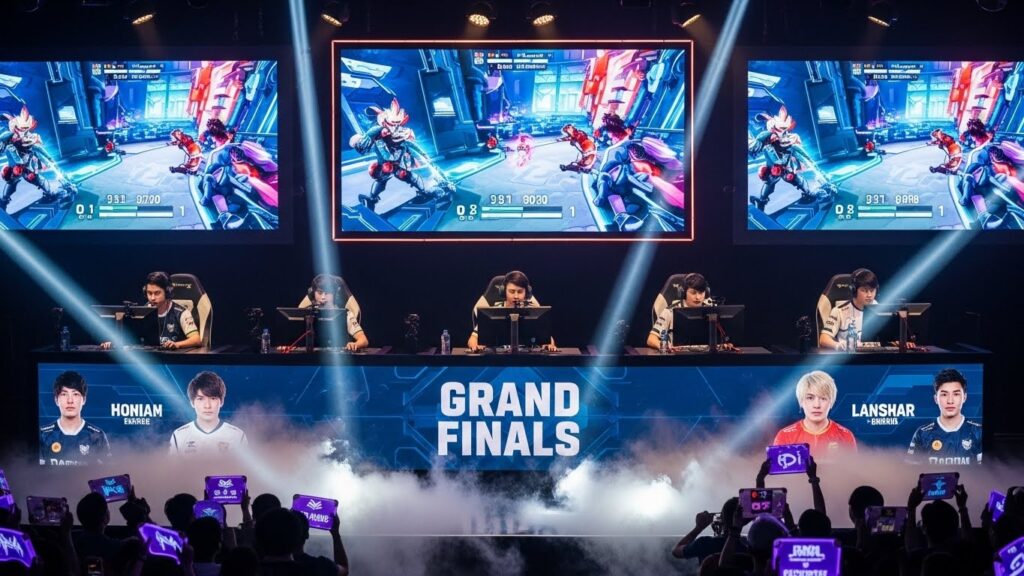
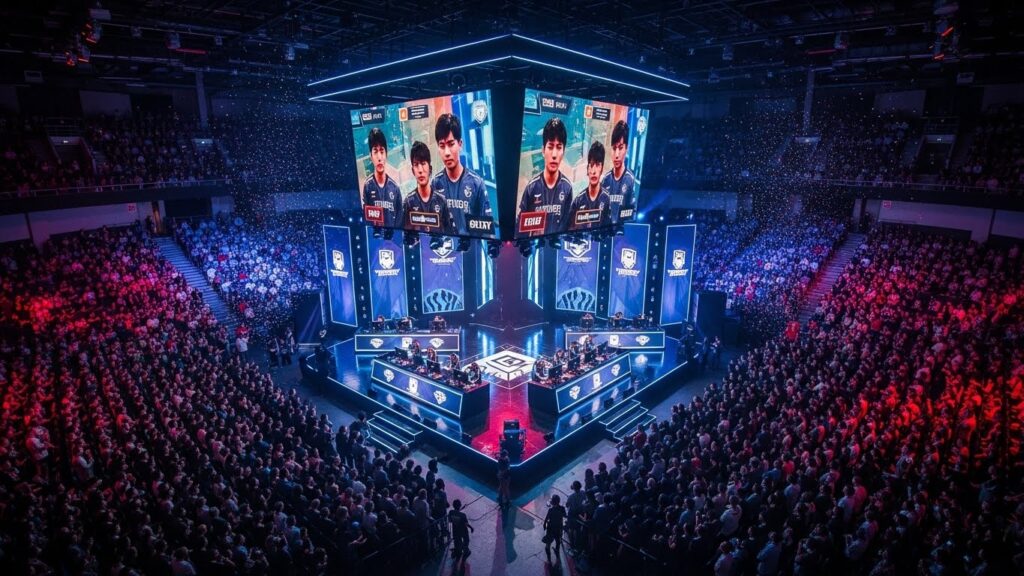
The journey of eSports began with small-scale tournaments and local competitions. Early games like StarCraft, Counter-Strike, and Dota laid the foundation for organized competitive gaming. Over time, technological advancements, faster internet, and streaming platforms allowed competitions to reach global audiences. Today, eSports tournaments fill stadiums, offer multi-million-dollar prizes, and attract sponsorships from major brands, showcasing its legitimacy as a professional sport.
Competitive Spirit and Skill Development
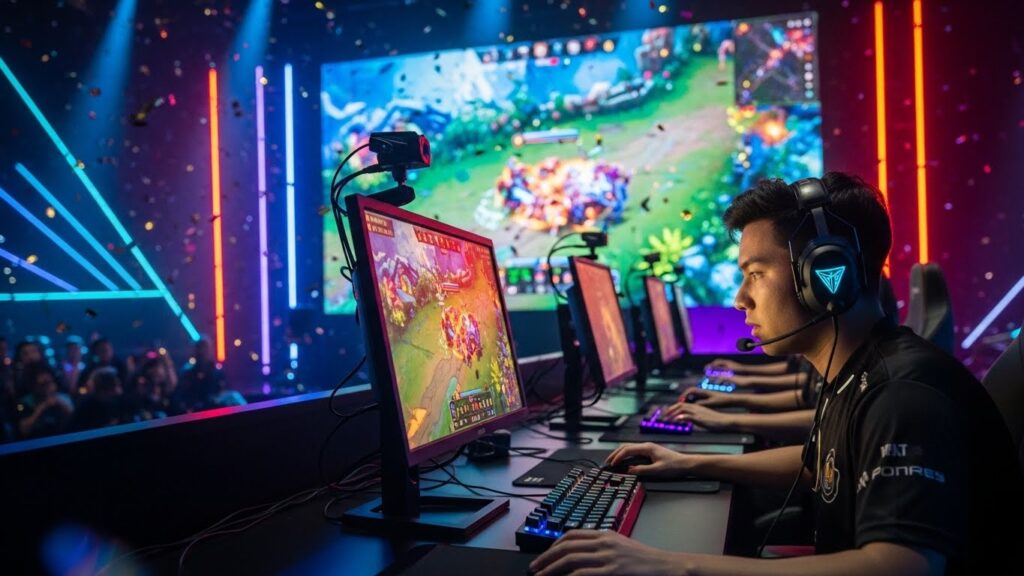
eSports requires immense skill, strategy, and teamwork. Professional players train for hours, mastering game mechanics, communication, and decision-making. Games like League of Legends, Call of Duty, and Fortnite demand fast reflexes, strategic thinking, and collaboration. Beyond entertainment, eSports develops critical skills such as problem-solving, focus, and adaptability, making it more than just a pastime.
eSports and Technology
Technology is the backbone of eSports. High-performance computers, gaming consoles, fast internet, and streaming platforms enable real-time competitions across continents. Advanced analytics, live streaming, and virtual reality enhance both player performance and viewer engagement. Technology continues to expand the possibilities of eSports, making competitions more immersive and interactive than ever before.
Community and Global Impact
eSports is more than just competition; it fosters community and global connections. Fans from different countries follow teams, cheer for players, and interact through online forums and streaming platforms. The global nature of eSports promotes cultural exchange and builds connections that transcend borders. Communities also organize events, workshops, and tournaments, further solidifying eSports as a cultural movement.
Careers and Opportunities in eSports
The growth of eSports has created diverse career opportunities. Professional players, coaches, analysts, streamers, and event organizers are just a few roles in this expanding industry. Sponsorships, marketing, and media coverage also contribute to the professional ecosystem. eSports provides a platform for individuals to turn their passion into a sustainable career, inspiring a new generation of digital athletes.
The Future of eSports
The future of eSports is bright and full of potential. With advancements in virtual reality, augmented reality, and AI-driven gaming, competitions will become even more immersive. Global tournaments, increased sponsorship, and mainstream recognition will continue to drive growth. eSports is not just entertainment—it is a cultural force shaping the future of gaming and competitive sports.
Conclusion
eSports has redefined gaming, transforming it into a professional, global, and competitive arena. It combines skill, strategy, technology, and community, appealing to millions worldwide. As the industry continues to grow, eSports promises to inspire, entertain, and connect people in ways that were once unimaginable, proving that gaming is now more than a pastime—it is a legitimate sport and a cultural phenomenon.