Introduction: From Hobby to Global Phenomenon
Once dismissed as a pastime for teenagers in dimly lit bedrooms, gaming has evolved into one of the most powerful cultural and economic forces of the 21st century. Esports, or electronic sports, represents the competitive side of gaming—where players and teams face off in tournaments for fame, glory, and staggering sums of money. What began as friendly arcade competitions in the late 20th century has transformed into a multi-billion-dollar global industry, drawing millions of spectators, sponsors, and investors.
The story of esports is not just about video games; it is about community, technology, ambition, and the redefinition of what competition can mean in a digital age.
The Origins of Competitive Gaming
Before the term “esports” even existed, gamers were already competing. The first recorded video game competition took place in 1972 at Stanford University, where students battled it out in the game Spacewar. The prize was modest—a year’s subscription to Rolling Stone magazine—but it marked the beginning of a movement.
During the 1980s, as home consoles like the Atari and Nintendo Entertainment System became popular, gaming culture spread rapidly. The arrival of arcade machines created social spaces where players could challenge each other for high scores. Titles like Pac-Man, Donkey Kong, and Street Fighter ignited the spirit of competition.
By the 1990s, the arrival of PC gaming and the internet changed everything. Multiplayer games like Doom and Quake allowed players to compete remotely, paving the way for online tournaments. LAN (Local Area Network) parties became common, and competitive gaming slowly grew from basements and cafes into organized events.
The Birth of Esports as an Industry
The early 2000s marked the birth of esports as a structured global phenomenon. With better internet connections and streaming technology, competitive gaming could finally reach mass audiences. Titles like Counter-Strike, Warcraft III, and StarCraft gained cult followings in Asia and North America alike.
In South Korea, esports reached a level of professionalism far ahead of the rest of the world. The government recognized it as a legitimate industry, TV networks broadcasted matches, and players became celebrities. South Korea’s StarCraft scene, in particular, became legendary, with sold-out stadiums and commentators treating games like major sports events.
Western countries soon caught up. By the late 2000s, organizations like Major League Gaming (MLG) in the United States began hosting large-scale tournaments. Online streaming platforms such as Twitch and YouTube Gaming gave esports unprecedented reach, turning what was once a niche hobby into mainstream entertainment.
The Expansion of Esports Titles
Esports isn’t dominated by one type of game—it’s a diverse field covering multiple genres. Each game has its unique ecosystem, fan base, and competitive format.
First-Person Shooters (FPS): Games like Counter-Strike: Global Offensive, Call of Duty, Overwatch, and Valorant test reflexes, precision, and teamwork. They appeal to audiences who crave fast-paced, strategic gameplay.
Multiplayer Online Battle Arenas (MOBA): League of Legends and Dota 2 stand as titans in this genre. Their tournaments, like the League of Legends World Championship and The International, offer prize pools in the tens of millions of dollars.
Battle Royale and Survival Games: Fortnite and PUBG brought new life to the scene by mixing shooter mechanics with survival elements. They attracted casual players and professional competitors alike, with massive youth audiences.
Sports and Racing Games: FIFA, NBA 2K, and Rocket League connect traditional sports fans with gaming. These titles mimic real-world sports, bridging the gap between two worlds that were once distinct.
Fighting Games: Street Fighter, Tekken, and Super Smash Bros. have maintained strong communities for decades, with events like EVO (Evolution Championship Series) celebrating the art of one-on-one combat.
The Role of Streaming and Media
The rise of streaming platforms cannot be overstated in esports’ success. Before Twitch, esports audiences were limited to local venues or low-quality online streams. Twitch revolutionized this by allowing anyone to broadcast live gameplay in high definition, interact with fans in real-time, and build massive communities.
Professional players became entertainers and influencers. Viewers could now follow their favorite gamers not just in tournaments but in everyday streams, forming a personal connection. This direct relationship between player and audience helped esports reach levels of engagement that traditional sports could only dream of.
Media outlets, documentaries, and even major television networks started covering esports events. ESPN, BBC, and other mainstream platforms began recognizing the legitimacy of competitive gaming, marking a turning point for public perception.
The Business of Esports
Esports is no longer just about playing games—it’s big business. According to industry reports, global esports revenues have surpassed one billion dollars annually, with projections continuing to climb. This growth comes from multiple revenue streams: sponsorships, media rights, merchandise, and ticket sales.
Major brands like Coca-Cola, Red Bull, Intel, and Nike have entered the space, sponsoring teams and events. Companies see esports as a gateway to younger audiences who consume digital content differently from older generations.
Esports organizations have evolved into professional enterprises, with management teams, training facilities, and even psychologists to help players handle pressure. The top teams, such as Team Liquid, FaZe Clan, and T1, operate like sports franchises with fans worldwide.
Investors and celebrities have also joined the movement. Figures like Michael Jordan, Drake, and David Beckham have all invested in esports teams, recognizing its long-term potential.
Esports Arenas and Live Events
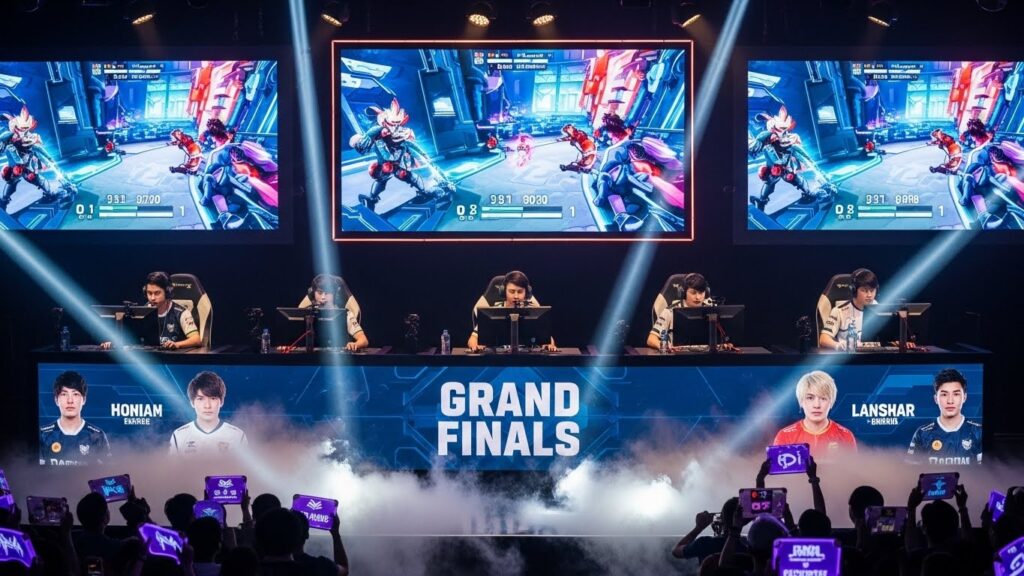
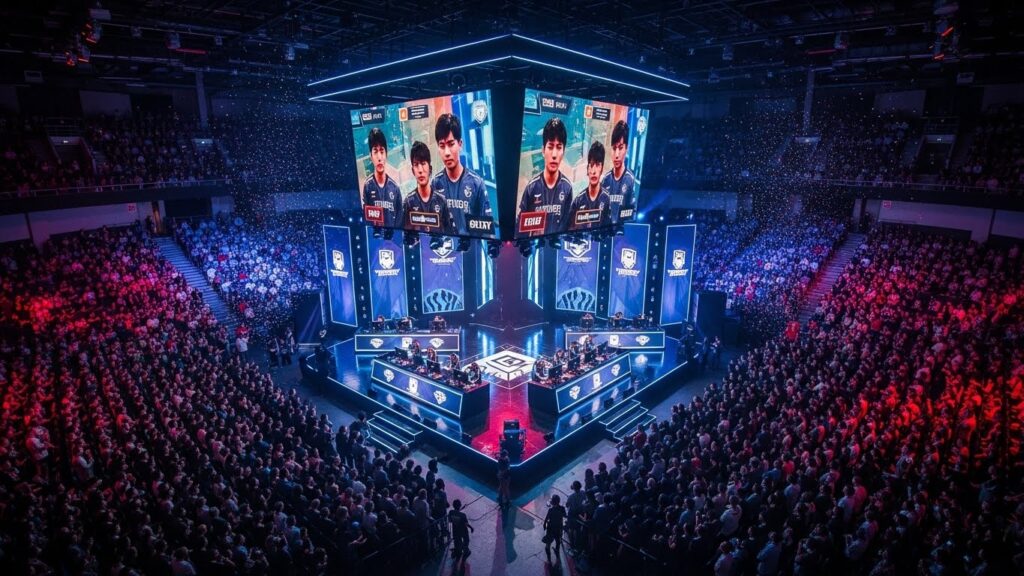
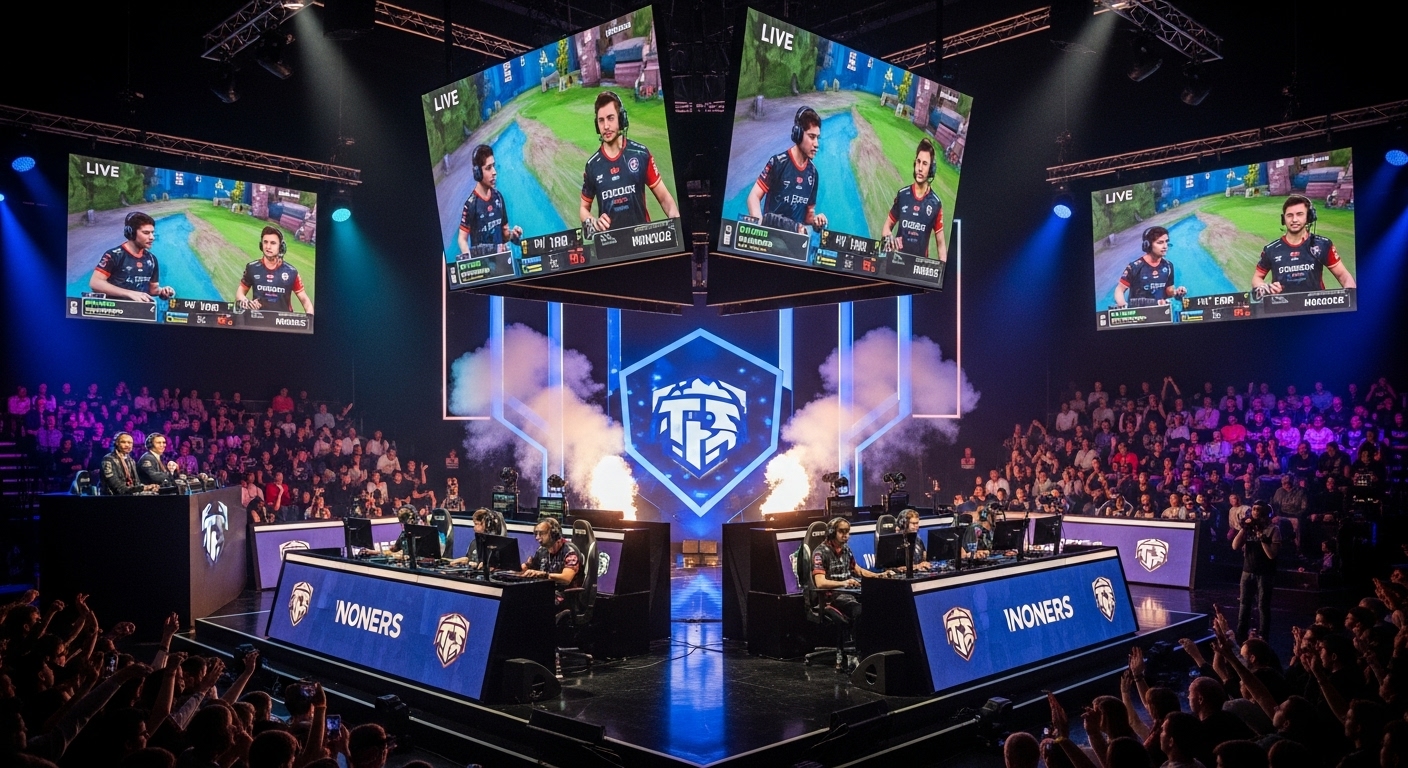
Nothing captures the energy of esports like a live event. The spectacle of thousands of fans gathered to watch gamers compete on stage rivals that of any football or basketball game.
Iconic venues like the Staples Center in Los Angeles and the Bird’s Nest Stadium in Beijing have hosted esports tournaments, filling seats with roaring fans waving team flags and chanting player names. The production quality of these events is staggering, featuring dynamic lighting, commentary teams, and massive LED displays showing every move in the game.
The 2018 League of Legends World Championship Finals, held in South Korea, attracted over 200 million viewers online, surpassing the viewership of traditional sporting events like the Super Bowl. This milestone demonstrated that esports had firmly entered mainstream entertainment.
Esports Athletes: The New Digital Stars
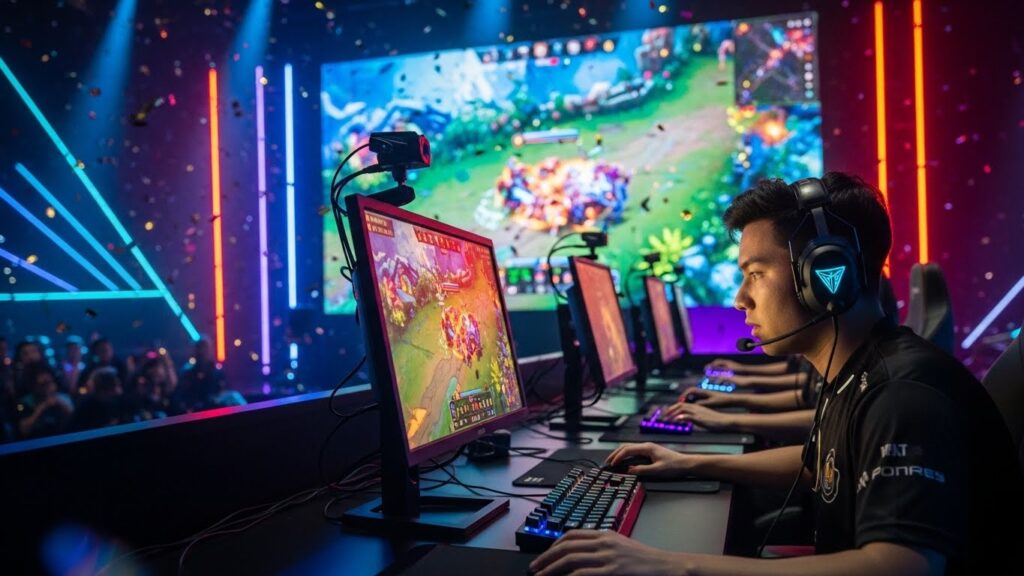
Today’s professional esports players are not just gamers—they are athletes, content creators, and role models. Players dedicate countless hours to practice, often exceeding 10 to 12 hours a day. They work with coaches, strategists, and analysts to refine their gameplay and mental endurance.
Top players like Faker (Lee Sang-hyeok) from League of Legends, s1mple (Oleksandr Kostyliev) from Counter-Strike: Global Offensive, and Ninja (Tyler Blevins) from Fortnite have become global icons. Their skill, charisma, and dedication have earned them massive followings across social media.
Unlike traditional athletes, esports professionals have shorter careers due to the intense mental and physical demands of competitive gaming. Reaction times and mental focus peak early, often leading to retirement in their mid-20s. However, many transition into coaching, streaming, or business ventures within the gaming ecosystem.
Training, Strategy, and Team Dynamics
Behind every great esports performance lies rigorous preparation. Teams analyze gameplay footage, study opponents, and experiment with strategies much like in traditional sports. Coaches guide players through both tactical and psychological challenges, ensuring that every decision made in the heat of battle is deliberate.
Many esports organizations now maintain physical training facilities equipped with nutritionists, physical trainers, and sports psychologists. The mental stamina required to perform at the top level cannot be underestimated—focus, communication, and adaptability often make the difference between victory and defeat.
Team chemistry is another vital factor. A collection of skilled individuals cannot succeed without trust and communication. Many teams practice communication drills, simulate stressful match conditions, and even undergo team-building activities outside of the game.
The Global Esports Audience
Esports has shattered geographic barriers. Unlike traditional sports limited by location, competitive gaming thrives online, attracting fans from every continent. Asia remains the largest market, but Europe and North America have seen exponential growth.
Young audiences are particularly drawn to esports. Millennials and Gen Z consumers view gaming as a natural part of their culture, much like sports were for older generations. Streaming platforms, social media, and short-form video content have made esports easily accessible, fostering an inclusive global community.
Moreover, esports commentary has become multilingual, allowing fans from different regions to engage in their own languages. Events like the International and Worlds are broadcasted in over a dozen languages simultaneously, reflecting the truly global nature of this industry.
Esports and Education
One of the most surprising developments in recent years has been the integration of esports into education. Universities across the world now offer scholarships for competitive gamers, just like traditional sports athletes.
Colleges in the United States, Europe, and Asia have established varsity esports programs, teaching students about gaming, team management, and even game design. Academic institutions recognize the broader skills esports fosters—strategic thinking, teamwork, and communication—all of which are valuable beyond the digital arena.
Some high schools have introduced esports clubs and leagues to engage students who may not connect with traditional athletics. These programs promote inclusion and creativity, proving that esports can inspire learning and leadership.
Challenges Facing the Esports Industry
Despite its remarkable growth, esports faces significant challenges. Player burnout remains one of the biggest concerns. The intense schedule and constant pressure can lead to physical and mental exhaustion. Organizations are now prioritizing wellness programs to protect their players’ health.
Another challenge is regulation. Unlike traditional sports governed by centralized bodies, esports is fragmented across different publishers, each controlling its own games and tournaments. This lack of uniformity creates inconsistencies in rules, player contracts, and prize distribution.
Toxicity and harassment within online communities also pose issues that the industry continues to address. Developers and tournament organizers are working on stronger policies to ensure inclusivity and safety for all participants.
Finally, the debate over whether esports should be recognized as an official sport continues. While many countries already acknowledge it as such, global sporting bodies like the International Olympic Committee remain cautious, though they have begun to include esports in their discussions and exhibitions.
The Future of Esports
The next decade promises even greater expansion. With advancements in technology like virtual reality, augmented reality, and cloud gaming, esports will likely explore new frontiers. Games will become more immersive, and fans may one day experience competitions from a first-person perspective within virtual arenas.
Esports’ integration with entertainment and pop culture will deepen as well. Crossovers with movies, music, and fashion will blur the lines between gaming and mainstream media. The continued rise of mobile gaming ensures accessibility, especially in developing countries where consoles and PCs are less common.
The metaverse concept—shared virtual spaces where people can interact, play, and socialize—may become the next stage of esports evolution. Imagine fans gathering in virtual stadiums, cheering for teams alongside avatars of players and commentators.
As technology evolves, so will the storytelling, community building, and creative expression within esports.
Conclusion: A Legacy in the Making
Esports has achieved in a few decades what took traditional sports centuries to build—a global community united by passion, skill, and competition. It transcends borders, languages, and even physical limitations, proving that talent and determination can thrive in any arena, digital or real.
Whether you are a casual gamer, a fan, or an aspiring professional, esports represents the future of entertainment, competition, and connection. It is not merely about games; it is about the people who play them, the fans who cheer for them, and the endless possibilities that arise when technology and creativity collide.
The journey of esports has only just begun.