Introduction to Esports
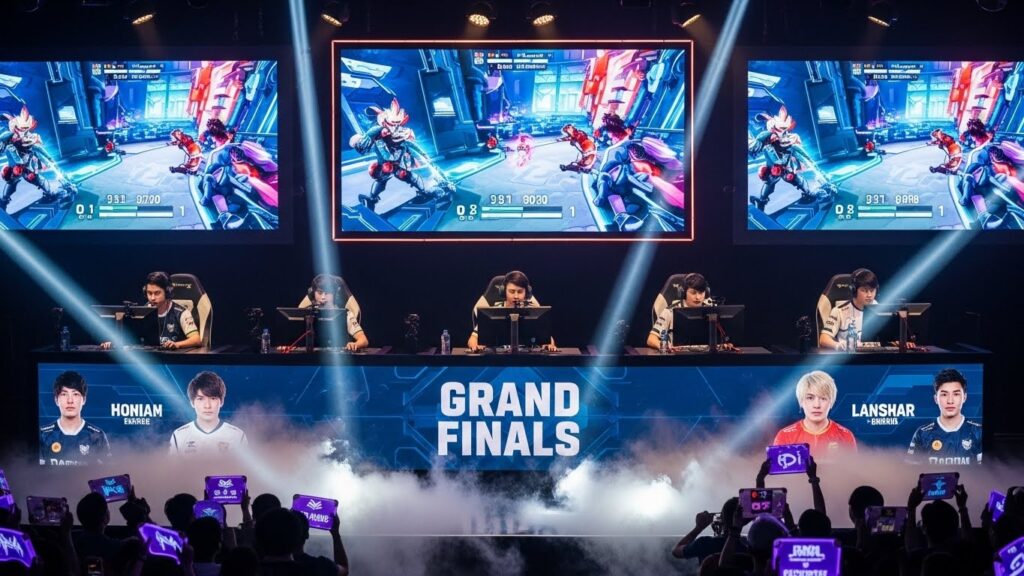
In the past few decades, entertainment has evolved in extraordinary ways. Once, competitive sports meant athletes on a physical field. Today, we have a new arena — a digital one. Esports, or electronic sports, has transformed from a niche hobby into a global phenomenon. It’s no longer just kids playing video games in their bedrooms; it’s a billion-dollar industry filled with professional players, massive audiences, and international tournaments that rival traditional sports in both scale and excitement.
The story of esports is one of evolution, innovation, and community. What started as friendly competitions in gaming cafes has become a structured and highly professional world of organized leagues, sponsorships, and fandoms. Esports represents how technology and human creativity can combine to create something entirely new — a sport for the digital generation.
The Early Days of Competitive Gaming
Before esports became a buzzword, competitive gaming had already been quietly building its foundation. The earliest gaming competitions can be traced back to the late 1970s and early 1980s, when arcades were popular. Games like Space Invaders and Pac-Man held local tournaments that drew enthusiastic crowds. In those days, the prizes were small, and the fame was local. But the passion was the same.
The 1990s marked a major turning point. With the introduction of personal computers and local area networks (LANs), multiplayer gaming became more accessible. Titles like Doom, Quake, and StarCraft created communities that were dedicated, skilled, and fiercely competitive. Players started organizing LAN parties, where they could test their abilities against others in real time.
At this stage, there was no global audience or major sponsorships, but something important was happening — a culture was forming. The spirit of competition, the thrill of strategy, and the desire to master digital worlds laid the foundation for what would become modern esports.
The Internet Age and the Global Stage
The rise of the internet changed everything. Suddenly, players didn’t need to be in the same room to compete. Online multiplayer games exploded in popularity, and with that came new opportunities for competition.
Games like Counter-Strike, Warcraft III, and Dota created entire ecosystems of players, teams, and fans. The internet allowed tournaments to be streamed and shared, connecting people from different parts of the world. For the first time, gaming wasn’t just an individual experience — it was global.
In the early 2000s, organizations began forming professional leagues. South Korea became a global hub for esports, largely thanks to StarCraft. Professional gamers were treated like celebrities, with dedicated TV channels broadcasting matches and thousands of fans attending live events. This success inspired other regions to follow suit, leading to the birth of a truly global esports culture.
The Modern Era of Esports
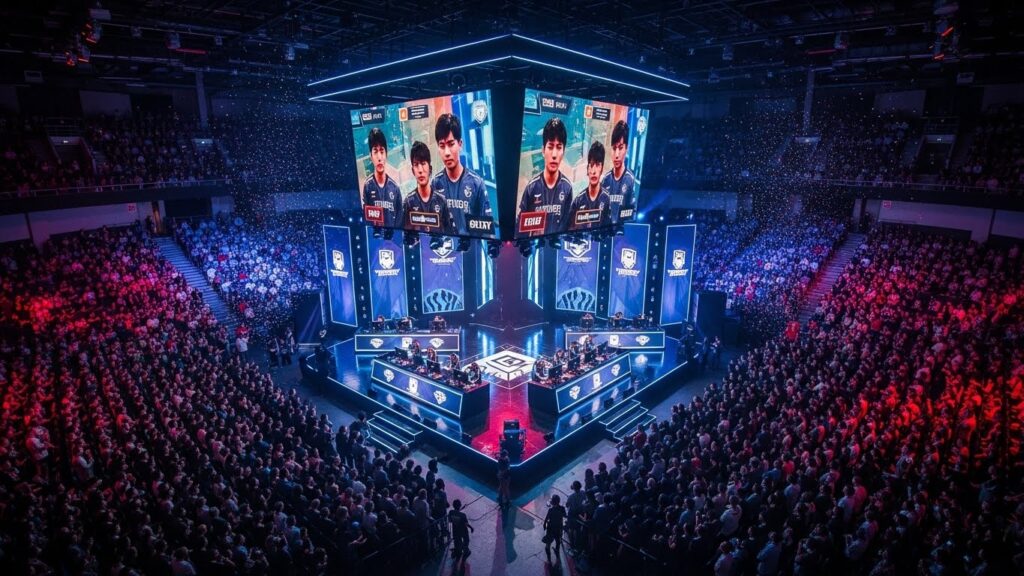
Today, esports is a massive industry that rivals traditional sports in popularity and revenue. Games like League of Legends, Dota 2, and Counter-Strike: Global Offensive are watched by millions of fans worldwide. Tournaments fill arenas, and championship matches are streamed to millions more online.
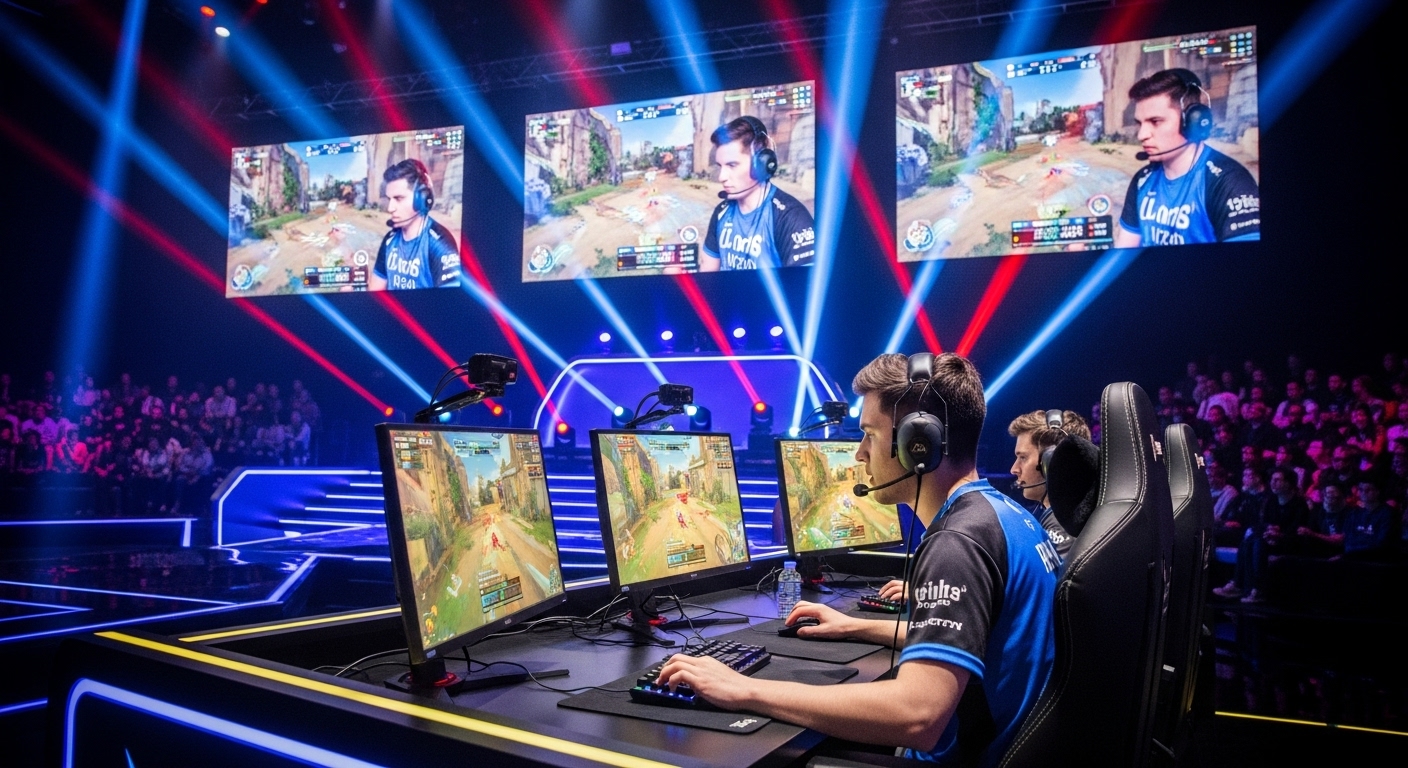
The production quality of esports events now mirrors that of major sports broadcasts, complete with professional commentators, analysis desks, and pre-game shows. Players train full-time, follow strict schedules, and are supported by coaches, nutritionists, and analysts. The professionalism of esports teams has elevated the entire scene, making it a legitimate and respected form of competition.
The Economic Power of Esports
Esports has become one of the fastest-growing industries in the world. The global market value has reached billions of dollars, driven by sponsorships, advertising, media rights, and merchandise. Brands that once ignored gaming now see it as an essential part of their marketing strategies. From energy drink companies to major tech corporations, sponsors have flooded into the space to connect with younger audiences.
Streaming platforms have also played a crucial role. Websites and apps dedicated to gaming content have turned players into influencers. These platforms give fans direct access to their favorite players and teams, creating a level of engagement that traditional sports often struggle to achieve.
The economic opportunities extend beyond just the players and organizations. Event organizers, game developers, broadcasters, and even data analysts have all found careers within the esports ecosystem. What was once a passion-driven community has evolved into a multifaceted industry that fuels innovation and creativity across multiple sectors.
The Games That Defined Esports
Every major sport has its defining moments and its legendary players. Esports is no different, but it also has defining games — titles that changed everything.
League of Legends is perhaps the most dominant force in modern esports. Its developer created an annual world championship that brings together teams from every continent. The spectacle, production, and competition make it one of the most watched events in gaming history.
Dota 2, known for its complex gameplay and deep strategy, holds some of the biggest prize pools in esports history. The International, its annual tournament, is crowdfunded by players and fans, making it a community-driven celebration of competitive gaming.
Counter-Strike has remained a staple of esports for over two decades. Its simple yet deep mechanics make it endlessly competitive. The professional scene around it has fostered rivalries, legends, and unforgettable matches.
Fortnite, Valorant, Overwatch, and Call of Duty have also made their mark. Each of these games brings its own community, culture, and competitive flavor to the esports world.
The Global Community and Fan Culture
One of the most beautiful aspects of esports is its community. Unlike many traditional sports that are tied to regions or physical locations, esports is borderless. Fans from every corner of the world come together to celebrate their favorite teams and players.
Social media has amplified this connection. Fans can follow players’ lives, share memes, discuss strategies, and participate in global events from their phones. Esports has become more than just competition — it’s a shared digital culture.
Fan art, cosplay, and online discussions have all added layers to the experience. The community thrives on creativity and participation, turning esports into something that feels personal and collective at the same time.
The Life of a Professional Esports Player
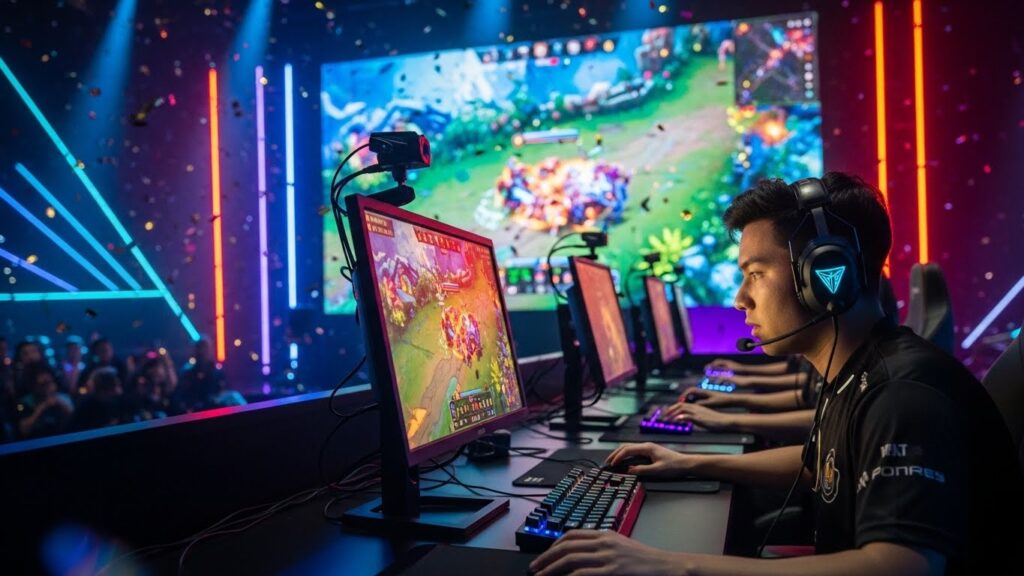
Behind the glamour of tournaments and sponsorships lies the reality of being a professional esports player. It’s a demanding career that requires discipline, focus, and resilience. Players often train for long hours every day, analyzing gameplay, improving mechanics, and studying opponents.
The competitive pressure is intense. Just like in traditional sports, only a small percentage of players reach the top. Burnout, stress, and mental fatigue are real challenges. Many organizations have started investing in mental health support and balanced training schedules to ensure player longevity.
Despite the challenges, the rewards can be immense. Top players earn salaries, prize money, and sponsorship deals that rival athletes in traditional sports. Their fame extends far beyond the game itself — they become icons of an entire generation.
Esports and Education
The influence of esports has even reached educational institutions. Universities and colleges around the world now offer esports programs, scholarships, and degrees. Students can study game design, marketing, and event management while also competing in collegiate leagues.
These programs not only recognize esports as a legitimate career path but also emphasize the skills it develops. Teamwork, communication, strategic thinking, and problem-solving are all core components of esports. For many young people, esports provides a way to connect their passion with their professional aspirations.
The Role of Technology in Esports Growth
Esports wouldn’t exist without technology, and its growth is deeply tied to innovation. Faster internet, powerful gaming hardware, and advanced software have all contributed to making competitive gaming smoother and more accessible.
Virtual reality and augmented reality are beginning to shape the next phase of esports. These technologies promise to create even more immersive experiences, where the line between player and spectator becomes blurred. Artificial intelligence is also being used to analyze gameplay, improve training, and enhance broadcasting.
As technology evolves, so will esports. The possibilities are endless — from 3D holographic tournaments to AI-powered strategy coaching. The future of esports will likely blend the digital and physical worlds in ways we can barely imagine today.
The Mainstream Acceptance of Esports
For years, traditional media dismissed esports as just a hobby. That narrative has completely changed. Esports events are now featured on mainstream television, discussed in sports magazines, and covered by major news outlets.
Traditional sports organizations have also embraced the movement. Many football, basketball, and baseball teams have launched their own esports divisions. This crossover has helped legitimize esports even further and introduced it to audiences who may never have considered gaming as a sport.
The Olympics and other international sporting bodies have even started to recognize esports as a potential category for future events. It’s a clear sign that competitive gaming is no longer an outsider — it’s part of the global sports family.
Challenges Facing the Esports Industry
Despite its rapid growth, esports is not without challenges. The industry still faces issues of player welfare, fair play, and regulation. Match-fixing scandals, cheating software, and financial instability in certain organizations have occasionally damaged its reputation.
Additionally, because esports is still relatively young, there’s a lack of consistent governance. Unlike traditional sports with established federations, esports is fragmented across different games and publishers. Each has its own rules, tournaments, and ecosystems.
Ensuring sustainability, transparency, and fair competition remains an ongoing effort. The community, developers, and organizations must continue to work together to build a solid foundation for the future.
The Future of Esports
Looking ahead, esports is poised for even greater expansion. With advancements in technology, broader mainstream acceptance, and a growing fan base, it’s clear that competitive gaming will continue to thrive.
We can expect even more integration between esports and entertainment industries. Virtual concerts, interactive live broadcasts, and metaverse tournaments could redefine how fans experience competition. Education, healthcare, and business sectors may also continue to use gaming principles inspired by esports for training and engagement.
The future of esports isn’t just about games — it’s about connection. It’s about how people come together, regardless of background or geography, to celebrate skill, strategy, and passion.
Conclusion
Esports is more than just a passing trend; it’s a cultural shift. It represents the merging of technology, creativity, and competition in ways that define the modern age. What began as simple matches between friends has grown into a global movement that unites millions.
From humble beginnings in arcade halls to massive international arenas, esports has proven that digital competition can be just as thrilling, emotional, and meaningful as traditional sports. It’s a world built by players and sustained by fans — a true testament to the power of community and innovation.
As we look to the future, one thing is certain: esports will continue to evolve, surprise, and inspire. The digital age has given birth to a new kind of athlete, a new kind of spectator, and a new kind of sport — one that’s here to stay.