Esports, or electronic sports, has emerged as one of the most influential and rapidly growing industries in modern entertainment. What once began as casual competitions among friends has evolved into a global phenomenon, attracting millions of players, viewers, and investors. From small LAN tournaments to massive international leagues with multi-million-dollar prize pools, esports has become a cultural, economic, and technological powerhouse.
This blog explores the history, evolution, impact, and future of esports, highlighting its rise from niche hobby to mainstream spectacle.
The Origins of Competitive Gaming
The roots of esports trace back to the early days of video gaming. In the late 1970s and early 1980s, arcade competitions became popular, with titles like Space Invaders, Pac-Man, and Donkey Kong attracting competitive players. The first recorded video game tournament, the 1980 Space Invaders Championship in the United States, drew thousands of participants and demonstrated the potential of organized gaming competitions.
With the rise of home consoles and personal computers in the 1980s and 1990s, competitive gaming shifted to new platforms. Titles such as Street Fighter II, Mortal Kombat, and Super Mario Kart encouraged competitive play in local tournaments, while online multiplayer games began to create early digital communities.
By the late 1990s, the advent of the internet brought competitive gaming to a global audience. Games like StarCraft in South Korea and Quake in the United States cultivated professional players and large fanbases, laying the groundwork for modern esports.
The South Korean Esports Revolution
South Korea played a pivotal role in the development of professional esports. In the late 1990s, the country’s extensive broadband infrastructure and cultural enthusiasm for gaming helped transform competitive gaming into a national pastime.
StarCraft: Brood War became the centerpiece of South Korea’s esports scene, with professional leagues, televised matches, and fan clubs devoted to players. Gamers like Lim “BoxeR” Yo-hwan achieved celebrity status, demonstrating that competitive gaming could be a viable career.
The South Korean model influenced esports worldwide, showcasing the potential of structured leagues, sponsorships, and media coverage. It also highlighted the importance of community engagement and fan culture in driving esports growth.
The Rise of Global Esports Leagues
By the 2000s, esports had begun to expand internationally. Major tournaments such as the World Cyber Games and Electronic Sports World Cup drew competitors from multiple continents, offering cash prizes and recognition.
The introduction of multiplayer online battle arena (MOBA) games like League of Legends and Dota 2 revolutionized competitive gaming. These games emphasized strategy, teamwork, and skill, attracting large online audiences. The creation of professional leagues, such as the League of Legends Championship Series (LCS), formalized the esports ecosystem and gave players a clear path to professional careers.
Simultaneously, first-person shooter (FPS) franchises like Counter-Strike, Call of Duty, and Overwatch developed their own competitive circuits, expanding the diversity of esports offerings and appealing to different types of players and audiences.
The Economics of Esports
Esports is not only a cultural phenomenon but also a thriving industry. Revenue streams include sponsorships, advertising, ticket sales, merchandise, media rights, and in-game purchases. Major tournaments now offer multi-million-dollar prize pools, attracting the best players from around the world.
The business model of esports is unique. Unlike traditional sports, esports can monetize both players and viewers through digital platforms. Streaming services like Twitch, YouTube Gaming, and Facebook Gaming allow fans to watch live events, interact with players, and support content creators directly.
Corporate sponsorships, ranging from energy drinks and electronics to apparel brands, have become a cornerstone of esports revenue. Companies recognize the highly engaged and digitally native audience that esports attracts, making it a lucrative marketing platform.
Esports and Streaming Culture
Streaming platforms have played a critical role in the rise of esports. Platforms like Twitch revolutionized how fans consume content, allowing real-time interaction between players and audiences. Streaming has also created a new category of professional gamers—content creators who combine entertainment and competitive skill.
This hybrid model of esports and entertainment has expanded the audience beyond traditional gamers. Fans can follow their favorite players, watch behind-the-scenes content, and participate in live chats, creating a sense of community and engagement that traditional sports often lack.
Streaming has also lowered the barrier to entry for aspiring players. Individuals can showcase their skills, build personal brands, and attract sponsorships without necessarily joining professional teams. This democratization of exposure has fueled the rapid growth of esports worldwide.
Diversity in Esports Titles
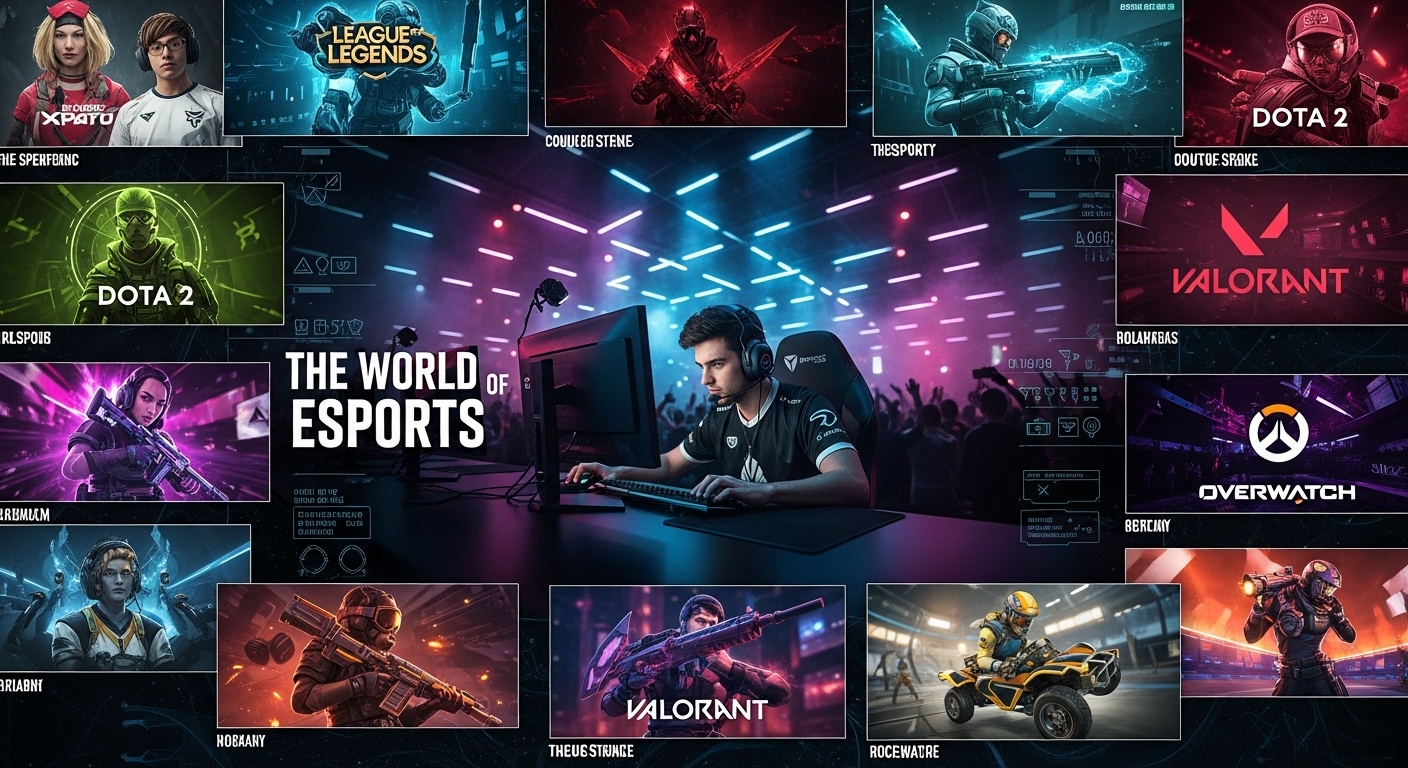
Esports encompasses a wide variety of game genres, each attracting its own community and competitive structure.
First-Person Shooters (FPS): Games like Counter-Strike: Global Offensive, Call of Duty, and Overwatch focus on precision, teamwork, and strategy. FPS tournaments often feature fast-paced action and intense player coordination.
Multiplayer Online Battle Arena (MOBA): League of Legends and Dota 2 emphasize strategic planning, map control, and team dynamics. These games are known for their complex mechanics and deep competitive meta.
Real-Time Strategy (RTS): StarCraft remains a classic RTS title where players manage resources, build units, and execute strategies in real-time battles. RTS esports reward both tactical thinking and quick decision-making.
Sports Simulations: Titles like FIFA, NBA 2K, and Madden NFL replicate real-world sports, attracting fans of traditional athletics into the esports ecosystem. These games blend digital competition with familiar sports structures.
Fighting Games: Street Fighter, Tekken, and Super Smash Bros. continue to maintain a dedicated community with one-on-one tournaments that emphasize skill and reflexes.
This diversity ensures that esports appeals to a broad audience, allowing players and fans to find communities aligned with their interests.
Esports Training and Professionalism
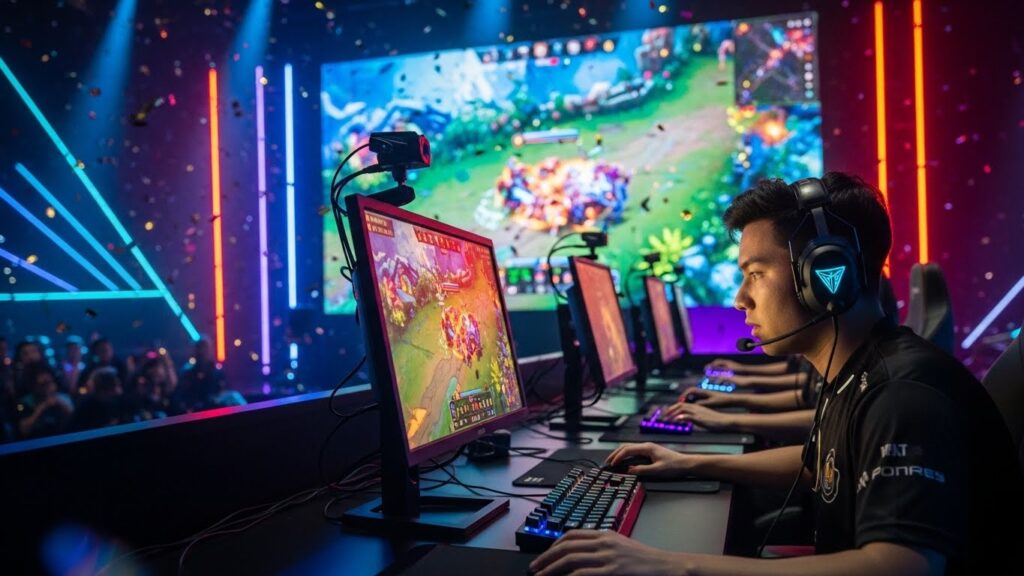
Professional esports has evolved into a highly structured discipline. Top-tier players undergo rigorous training schedules, similar to traditional athletes. This includes physical fitness, mental conditioning, strategic analysis, and team coordination.
Teams employ coaches, analysts, psychologists, and nutritionists to optimize performance. Professional leagues have set standards for player contracts, tournament rules, and ethical conduct, creating a sustainable and organized ecosystem.
The rise of esports academies and training programs has also fostered talent development. Young players now have pathways to professionalism, receiving mentorship, coaching, and exposure to competitive environments from an early age.
Esports and Global Events
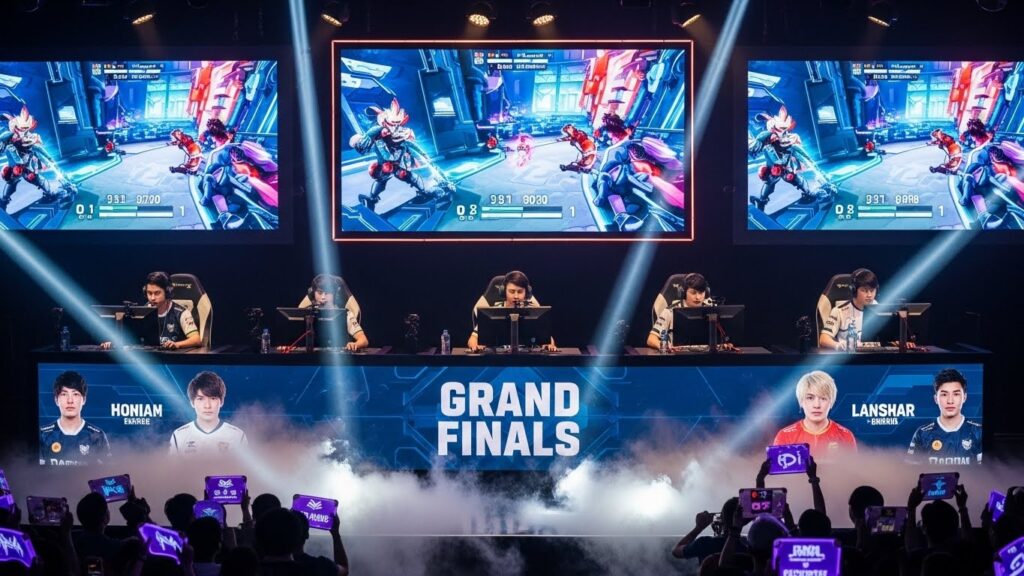
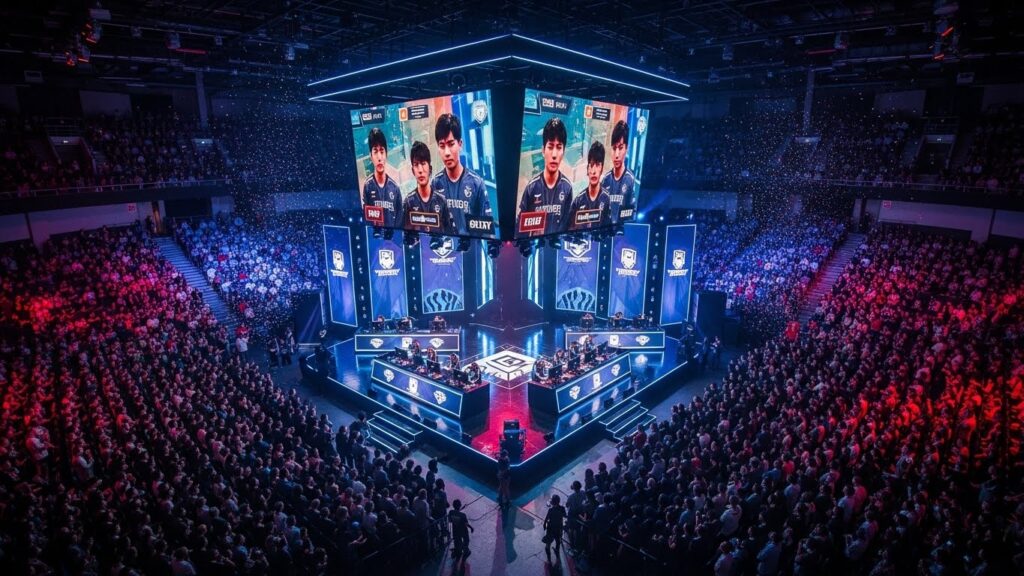
Esports has transcended digital screens to become a spectator phenomenon. International tournaments such as The International for Dota 2, League of Legends World Championship, and Fortnite World Cup attract millions of viewers online and thousands of attendees in arenas.
Major events are broadcasted on streaming platforms and even traditional media, highlighting the growing mainstream acceptance of esports. The spectacle includes opening ceremonies, live commentary, player interviews, and fan interaction, mirroring the production value of global sports events like the FIFA World Cup or the Olympics.
The Cultural Impact of Esports
Esports has influenced culture in profound ways. It has challenged traditional notions of sports, demonstrating that skill, strategy, and competition transcend physicality. Gaming personalities have become global celebrities, shaping trends in fashion, lifestyle, and digital media.
Esports has also created communities that foster inclusivity and diversity. Players from different countries, backgrounds, and genders compete on the same stage, emphasizing merit and skill above all else. Additionally, esports has inspired academic programs, research, and professional pathways in fields such as game design, broadcasting, and digital marketing.
Challenges in Esports
Despite its rapid growth, esports faces challenges. Player burnout and mental health concerns are prevalent due to intense practice schedules and public scrutiny. Regulatory issues, including gambling, doping, and contract disputes, pose risks to the industry’s credibility.
The perception of esports as “real sports” is still debated, affecting sponsorships, institutional support, and mainstream recognition in some regions. Additionally, accessibility and technological disparities can limit participation in developing countries.
Addressing these challenges requires collaboration between developers, organizers, governments, and communities to ensure a safe, fair, and sustainable ecosystem.
The Future of Esports
The future of esports is intertwined with technological advancements, cultural acceptance, and innovative business models. Emerging technologies like virtual reality, augmented reality, and cloud gaming promise to enhance spectator experiences and player engagement.
Global expansion will continue, with esports reaching new markets and demographics. Educational institutions are increasingly recognizing esports, offering scholarships, programs, and facilities to support competitive gaming.
Integration with mainstream media, merchandise, and lifestyle branding will further solidify esports as a cultural and economic force. As digital culture continues to grow, esports is likely to become an enduring part of global entertainment and competitive sport.
Conclusion
Esports has evolved from arcade competitions to a multi-billion-dollar global industry, shaping culture, technology, and entertainment. Its journey reflects innovation, dedication, and the transformative power of digital communities.
From humble beginnings to professional leagues, massive tournaments, and celebrity players, esports has proven that competitive gaming is not just a pastime—it is a legitimate, influential, and enduring form of entertainment. The continued growth of esports promises to redefine the future of sports, media, and digital interaction, inspiring millions of players and fans worldwide.