Sports have always been an integral part of human life. From ancient civilizations where athletic contests were part of religious and cultural rituals to the modern era of global leagues and international tournaments, sports have evolved into a universal language that connects people across continents. Beyond the thrill of competition, sports play a vital role in personal development, societal cohesion, economic growth, and cultural expression. This blog explores the multifaceted world of sports, its impact on individuals and communities, and the dynamic future that lies ahead.
The Origins of Sports
Sports are as old as human civilization. Archaeological evidence suggests that physical competitions existed in ancient societies for fitness, survival, and ceremonial purposes. The earliest organized sports can be traced back to Ancient Egypt, Mesopotamia, and Greece, where activities like wrestling, running, and chariot racing were popular.
The Greeks formalized competitive sports through the Olympic Games, which began in 776 BCE. These games celebrated human strength, skill, and endurance and fostered unity among city-states. Similarly, in ancient Rome, gladiatorial games and other contests provided both entertainment and a demonstration of discipline and bravery. These foundations set the stage for the organized sports we see today.
The Role of Sports in Society
Sports are much more than games; they reflect societal values and influence culture. They teach lessons that extend far beyond the playing field.
Fostering Teamwork and Discipline
Team sports, such as football, basketball, and cricket, require collaboration, communication, and trust. Players must understand their roles, strategize together, and work toward a common goal. These lessons in teamwork, combined with discipline and perseverance, are applicable to professional and personal life.
Promoting Health and Fitness
Engaging in sports improves physical health, enhancing cardiovascular endurance, muscle strength, flexibility, and overall stamina. Regular participation in athletic activities reduces the risk of chronic diseases, promotes weight management, and encourages long-term healthy habits.
Building Mental Resilience
Sports teach resilience, focus, and problem-solving. Athletes face victories and defeats, learning to manage stress, adapt to challenges, and remain motivated under pressure. This mental toughness translates into personal growth and success in various areas of life.
Bridging Cultural and Social Gaps
Sports unite people from different backgrounds. International tournaments, friendly matches, and community games foster connections, promote cultural understanding, and cultivate respect among diverse populations. Events like the FIFA World Cup, the Olympic Games, and international cricket tournaments showcase sports as a global unifier.
The Economic Impact of Sports
The sports industry is a significant contributor to the global economy, generating revenue, employment, and business opportunities.
Revenue from Professional Leagues
Professional leagues in football, basketball, cricket, and other sports earn billions through ticket sales, merchandise, sponsorships, and broadcasting rights. High-profile athletes also contribute to this economy through endorsements and personal branding.
Tourism and Event Management
Major sports events attract tourists, stimulate local economies, and encourage infrastructure development. Cities hosting international tournaments benefit from increased hotel bookings, transportation services, and local businesses.
Job Creation
Sports support a wide range of professions, including athletes, coaches, referees, sports analysts, event organizers, physiotherapists, and marketers. This creates sustainable career opportunities and nurtures specialized skill development.
Evolution of Modern Sports
Modern sports have undergone significant transformation due to technological innovation, globalization, and changing audience expectations.
Technological Advancements
Technology has enhanced training, performance, and fan engagement. Advanced analytics, wearable devices, and biomechanical studies allow athletes to optimize performance and prevent injuries. Video replay systems, goal-line technology, and digital refereeing tools ensure fair play and transparency.
Media and Broadcasting
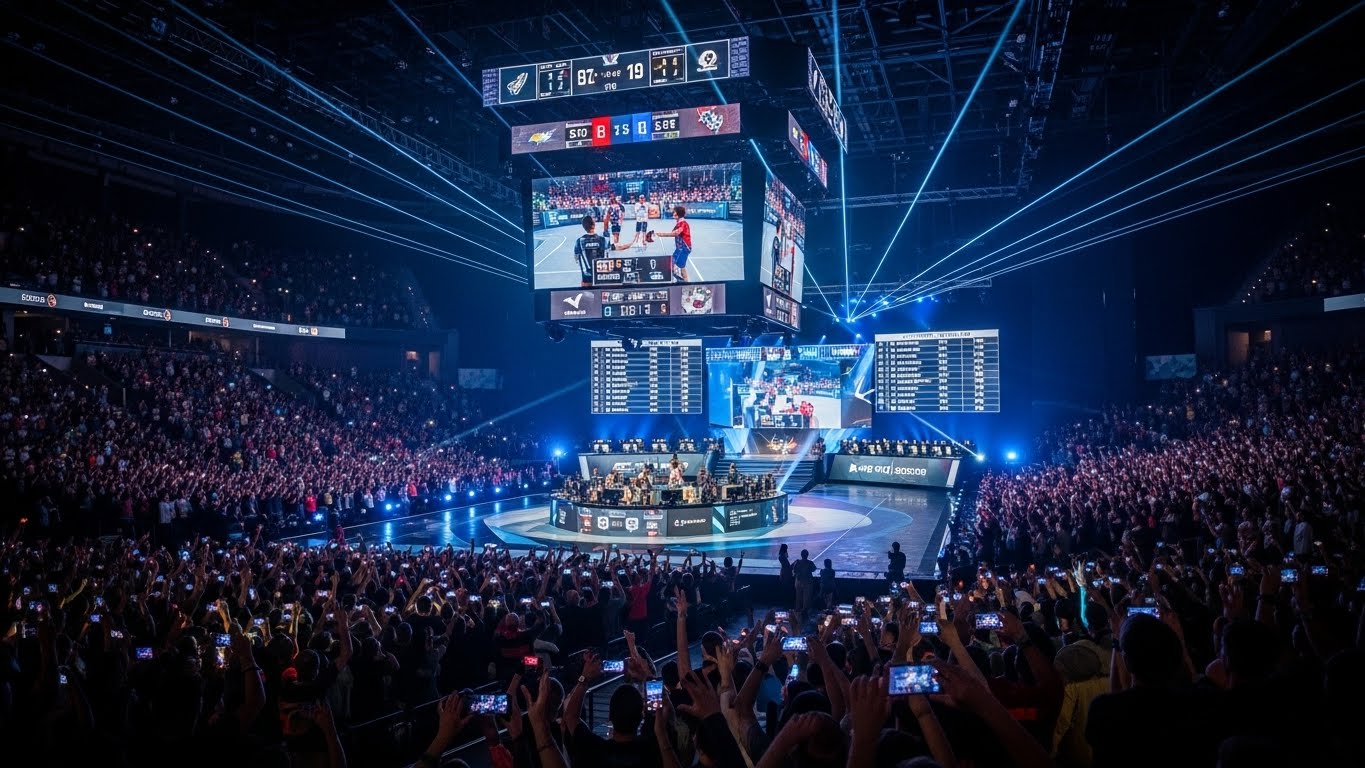
Television and online streaming have revolutionized how sports are consumed. Fans can watch live games, follow highlights, and interact with commentary from anywhere in the world. This has expanded the global fan base and increased revenue streams for leagues and athletes alike.
Emergence of Women’s Sports
Women’s sports have gained significant recognition in recent decades. Increased visibility, sponsorship opportunities, and professional leagues have empowered female athletes, inspiring young girls to pursue sports and promoting gender equality.
Inclusion of Adaptive Sports
Sports for differently-abled individuals, including the Paralympics and Special Olympics, highlight the importance of inclusivity and accessibility. These competitions showcase talent, resilience, and determination, fostering societal awareness and appreciation for adaptive athletes.
Popular Sports and Their Global Influence
Different sports dominate in various regions, each leaving a unique cultural and social impact.
Football
Football, or soccer, is the most popular sport globally. Its simplicity and accessibility make it a universal game. Major tournaments such as the FIFA World Cup unite nations, while club competitions like the UEFA Champions League attract massive audiences and revenue. Football fosters teamwork, strategy, and passion, influencing millions of fans worldwide.
Basketball
Basketball is celebrated for its fast pace, skill, and entertainment value. The National Basketball Association (NBA) has become a global brand, producing athletes with international recognition. Basketball encourages agility, precision, and strategic thinking while building a sense of community among fans.
Cricket
Cricket is deeply rooted in South Asia, the United Kingdom, and several Commonwealth nations. Tournaments like the ICC Cricket World Cup and the Indian Premier League draw massive audiences, creating cultural and economic impact. Cricket promotes teamwork, concentration, and strategic planning.
Athletics
Track and field events, marathons, and swimming competitions highlight individual athleticism. These sports emphasize endurance, discipline, and personal achievement. They also serve as a platform for countries to demonstrate national pride and athletic excellence.
Emerging Sports
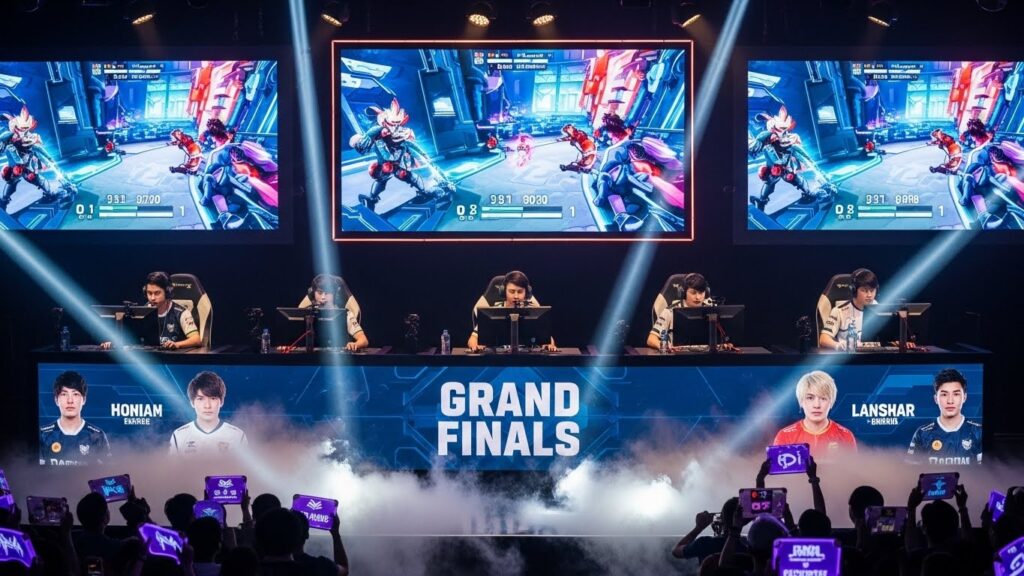
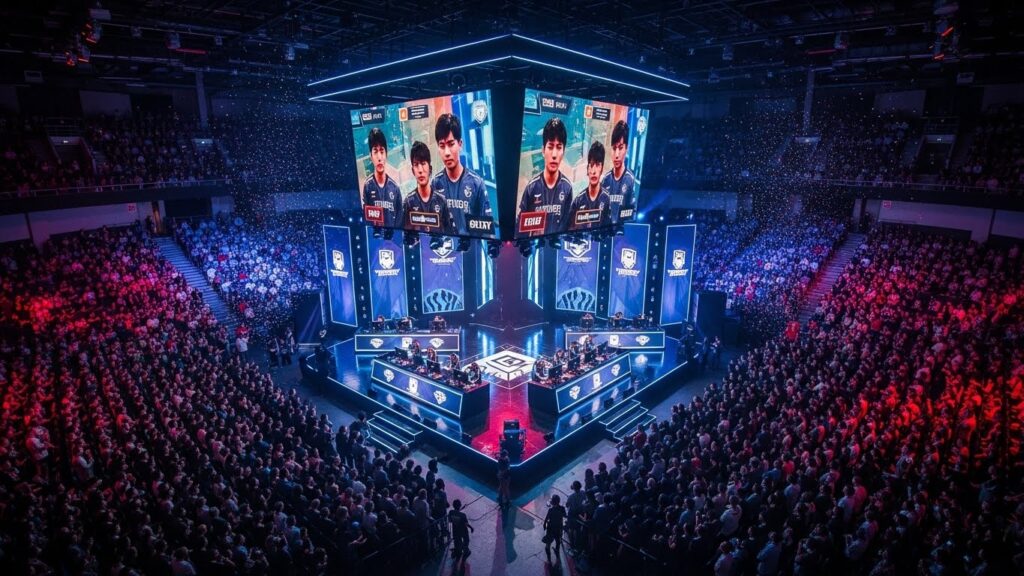
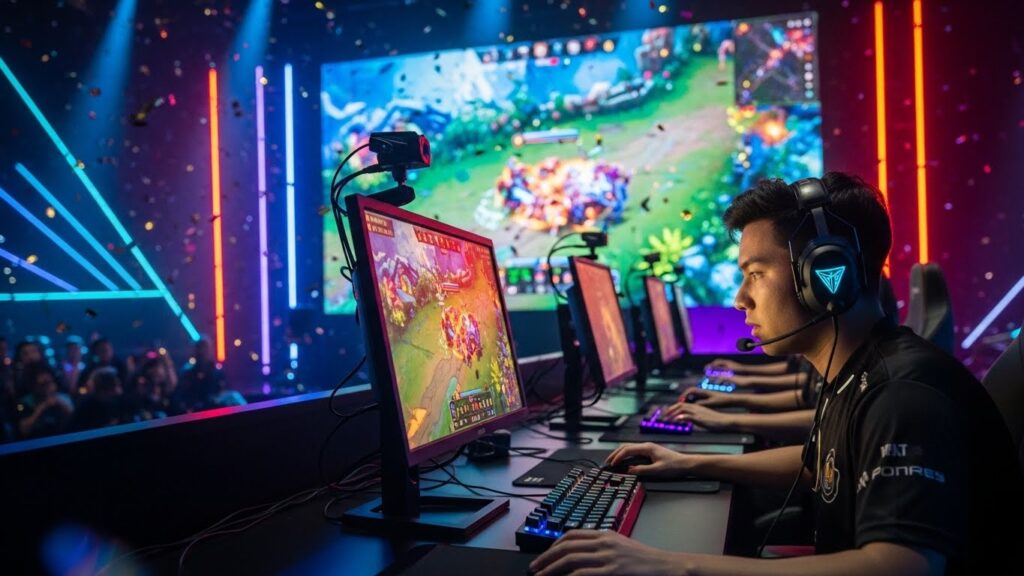
Adventure sports, esports, and fitness competitions are gaining global attention. These activities attract younger audiences, diversify the sports ecosystem, and combine physical activity with entertainment and digital interaction.
Challenges Facing the Sports Industry
Despite its universal appeal, sports face several challenges that affect players, organizations, and fans.
Doping and Performance Enhancement
The use of prohibited substances undermines fairness and athlete health. Rigorous testing, strict penalties, and awareness campaigns are essential to maintain integrity in competitive sports.
Financial Disparities
While some sports and leagues thrive financially, others struggle with limited funding and infrastructure. Addressing these disparities is important to ensure the growth of grassroots sports and opportunities for emerging athletes.
Player Health and Safety
Injury prevention, mental health support, and long-term wellness are critical for athletes. High-intensity training, competition pressure, and inadequate support systems can compromise both physical and mental health.
Ethical Concerns
Issues like match-fixing, corruption, and biased officiating threaten credibility. Transparency, regulatory frameworks, and ethical governance are necessary to uphold trust in the sports ecosystem.
The Future of Sports
The future of sports is shaped by innovation, inclusivity, and evolving audience expectations.
Digital Integration and Esports
Esports and virtual sports are expanding the definition of competition. Digital platforms provide interactive experiences, allowing fans to engage with games in immersive ways. This convergence of technology and sports is attracting younger audiences and creating new career opportunities.
Focus on Sustainability
Sustainable practices in stadium construction, event management, and athlete welfare are becoming priorities. Sports organizations are adopting eco-friendly policies to reduce environmental impact and promote social responsibility.
Global Expansion
Sports continue to penetrate new markets and cultures, creating opportunities for international tournaments, sponsorships, and talent development. Increased globalization fosters cultural exchange and enhances the global sports community.
Health and Wellness Initiatives
The emphasis on mental health, fitness education, and safe training practices will shape the athlete experience. Programs supporting holistic well-being ensure long-term engagement and success in sports careers.
Technological Advancements
Artificial intelligence, virtual reality, wearable technology, and data analytics will continue transforming training, fan engagement, and performance monitoring. These innovations make sports more interactive, accessible, and enjoyable for both participants and spectators.
Conclusion
Sports are far more than entertainment; they are a reflection of human aspiration, culture, and resilience. They teach valuable lessons in discipline, teamwork, and perseverance while promoting health, unity, and cultural exchange. From grassroots competitions to global tournaments, sports influence economies, communities, and individual lives.
As technology evolves and new forms of competition emerge, the future of sports promises innovation, inclusivity, and greater global engagement. Sports will continue to inspire, challenge, and connect people across generations, reminding us of the power of human effort, passion, and collaboration.
Whether played professionally or recreationally, sports remain an enduring force that shapes identity, builds character, and unites the world through shared experiences, competition, and celebration of human potential.