Introduction: The Birth of a Digital Phenomenon
In the modern era, few cultural shifts have been as dramatic and transformative as the rise of esports. What once began as friendly competition between a few gamers in arcades or over local networks has now exploded into a billion-dollar global industry. Esports, short for electronic sports, represents the competitive playing of video games at a professional level, often before massive audiences both online and offline. It has transcended traditional definitions of sports, entertainment, and digital media to become a powerful force shaping youth culture, technology, and even education.
The journey of esports is one of rapid evolution, driven by advances in gaming technology, internet connectivity, and the growing social power of digital communities. Today, esports tournaments fill stadiums that once hosted rock concerts, while millions more tune in online to watch their favorite players and teams compete. This is more than just gaming; it is a revolution that has changed how people play, interact, and imagine competition.
The Early Years: Where Esports Began
The roots of esports can be traced back to the early 1970s and 1980s when video games began to emerge as a form of digital entertainment. In 1972, a competition at Stanford University for the game “Spacewar” is often considered one of the first organized gaming tournaments. The prize was modest—a year’s subscription to Rolling Stone magazine—but it marked the beginning of something extraordinary.
During the 1980s, arcade games like Pac-Man and Donkey Kong gave rise to the first generation of competitive gamers. Arcades were the proving grounds where players could post their initials on leaderboards, battling for high scores and bragging rights. These early contests laid the groundwork for organized competition. By the 1990s, the advent of personal computers and home consoles opened the door for multiplayer gaming and larger tournaments.
Games like “Street Fighter II” and “Mortal Kombat” became fixtures in competitive gaming, while PC titles such as “Doom” and “Quake” introduced the first-person shooter genre to the competitive scene. The 1997 Red Annihilation Quake tournament, where the winner received a Ferrari from game designer John Carmack, is often seen as a milestone that set the tone for the modern esports era.
The Online Revolution: The Rise of Multiplayer Gaming
The late 1990s and early 2000s marked a turning point for esports, thanks largely to the rise of the internet. Online connectivity revolutionized gaming, allowing players to compete with others across the world instead of just their local communities. Titles like “StarCraft,” “Counter-Strike,” and “Warcraft III” became the pillars of early online competition.
South Korea, in particular, became the epicenter of this new digital sport. The nation’s strong broadband infrastructure and government support for technology helped foster a unique gaming culture. Professional “StarCraft” players became national celebrities, and matches were televised to millions. South Korea’s influence on esports cannot be overstated—it was the first country to truly treat gaming as a professional sport, setting standards for training, sponsorship, and competition that would later spread globally.
Meanwhile, in other parts of the world, competitive gaming communities were forming around local area network (LAN) parties and early esports organizations. Events like the Cyberathlete Professional League (CPL) and Major League Gaming (MLG) in the United States brought structure and legitimacy to competitive gaming. These organizations began to offer cash prizes, sponsorship deals, and international tournaments, helping esports grow from a niche interest into a structured industry.
The Explosion of Streaming and Spectatorship
The true explosion of esports came in the 2010s with the rise of live streaming platforms such as Twitch and YouTube. Suddenly, anyone with an internet connection could watch their favorite players compete in real time. This accessibility transformed esports from a hobby for a dedicated few into a mainstream form of entertainment.
Streaming gave players a new platform to build their personal brands. No longer confined to tournament appearances, professional gamers could connect directly with fans, showcasing their personalities and skills daily. This relationship between streamer and audience became one of the cornerstones of modern esports culture.
Games like “League of Legends,” “Dota 2,” and “Counter-Strike: Global Offensive” benefited immensely from this visibility. Major tournaments began to attract millions of viewers online, rivaling traditional sports broadcasts. The 2018 League of Legends World Championship drew over 100 million viewers worldwide—numbers comparable to the Super Bowl. Such statistics shattered any lingering doubts about esports’ legitimacy as a major entertainment industry.
The Professionalization of Esports
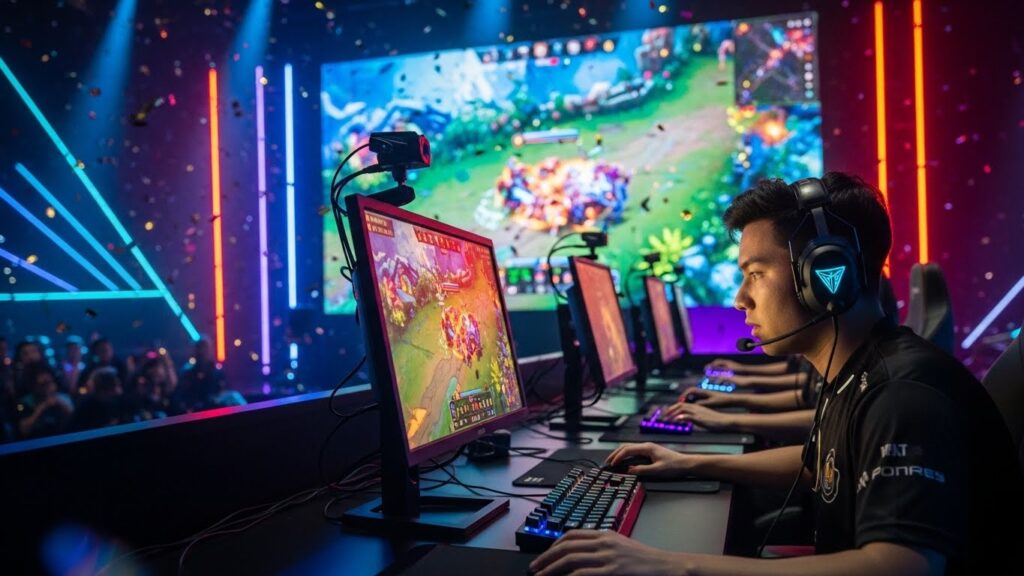
As audiences grew, so did the professionalism of the scene. Esports teams began to operate more like traditional sports franchises, complete with coaches, analysts, nutritionists, and psychologists. Training regimens became rigorous, with players practicing up to twelve hours a day to perfect their mechanics and strategies. Sponsorship deals from global brands such as Coca-Cola, Intel, and Nike poured in, validating esports as a serious business.
Tournaments like The International for Dota 2 and the League of Legends World Championship began offering prize pools in the tens of millions of dollars. The International 2021, for example, featured a staggering prize pool exceeding $40 million. These financial rewards not only elevated the status of esports athletes but also attracted investors, media companies, and advertisers eager to tap into the growing market.
Professional esports organizations like Team Liquid, Fnatic, Cloud9, and T1 established themselves as global brands with fan bases rivaling those of traditional sports teams. Players became icons and influencers, admired not just for their skill but also for their personalities, discipline, and creativity.
Esports and the Global Stage
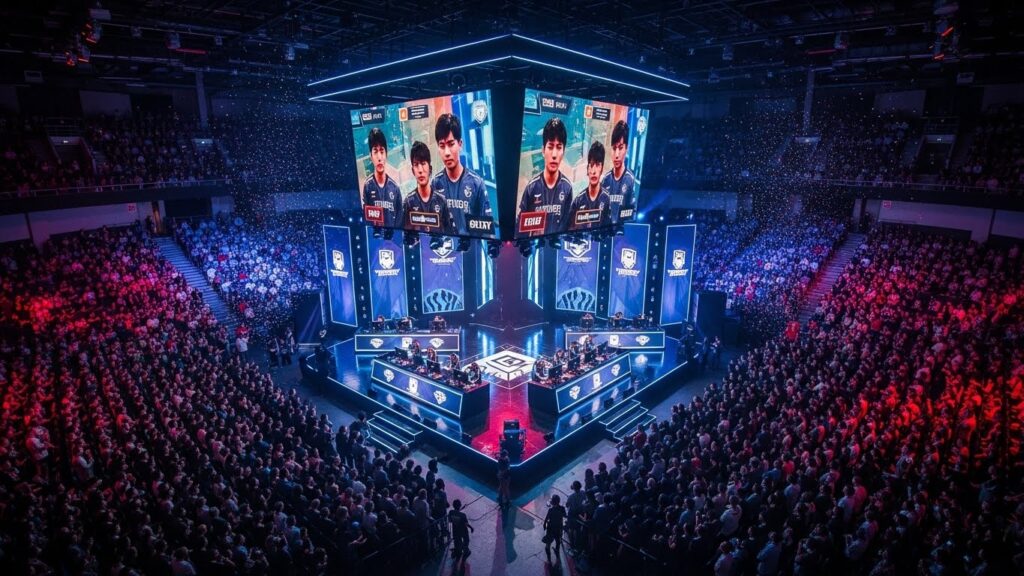
Esports is no longer confined to gaming circles—it has become a global cultural force. Countries around the world now host massive tournaments and invest in developing esports infrastructure. China has constructed dedicated esports arenas, while the United States has seen cities like Los Angeles and Dallas embrace the industry through franchise-based leagues.
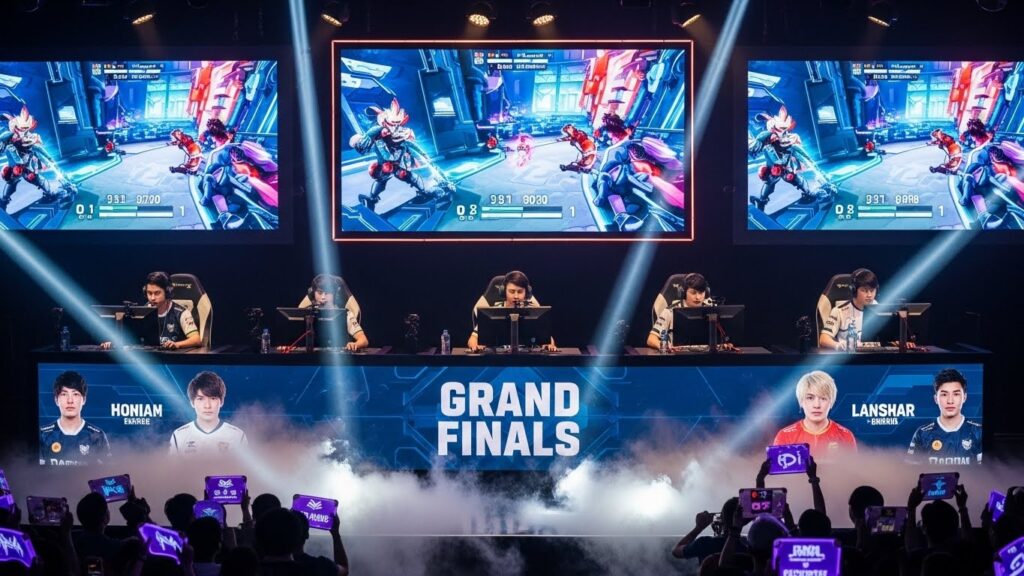
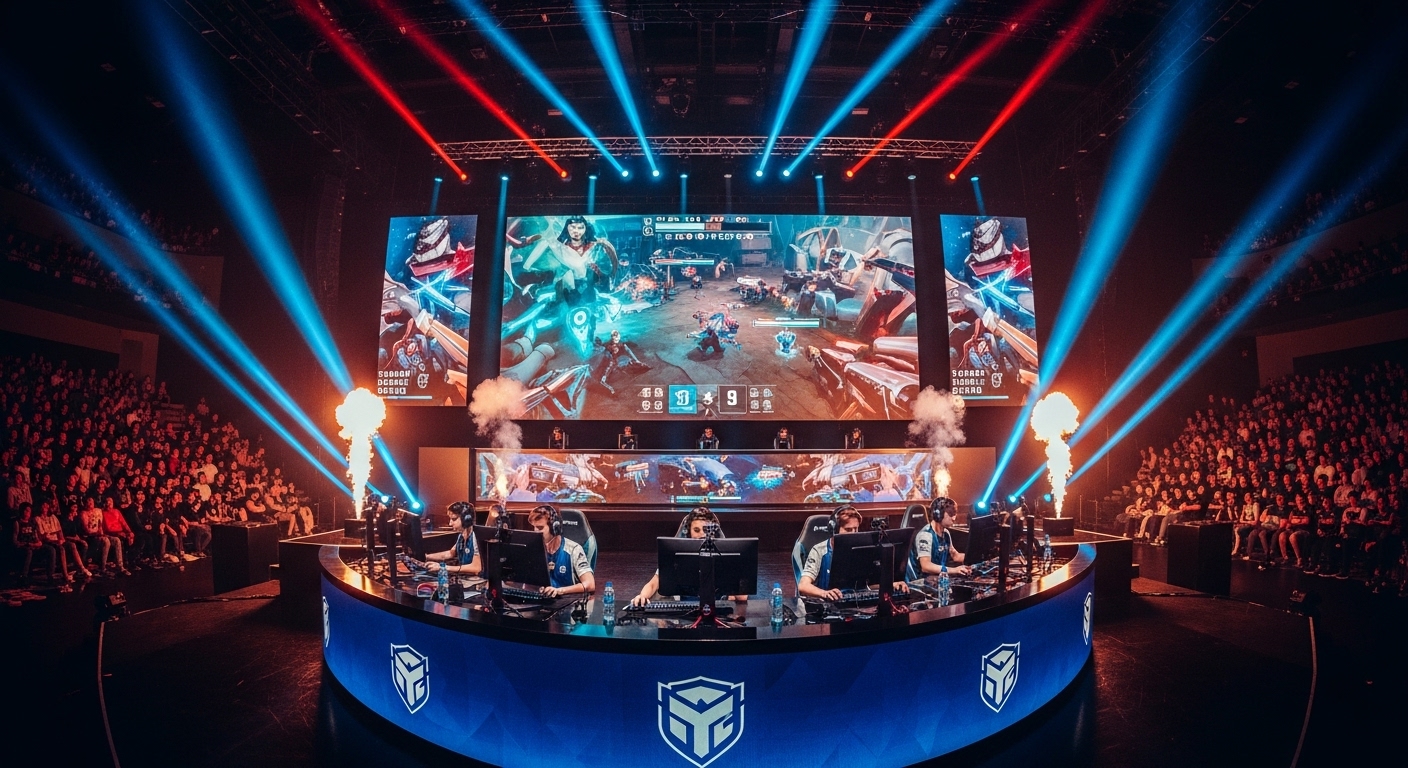
International tournaments have taken on the atmosphere of traditional sporting events. Fans travel across continents to support their teams, waving flags and chanting anthems in packed arenas. The excitement, the tension, and the unity among fans mirror those of soccer World Cups or Olympic events.
Governments and educational institutions have also recognized the potential of esports. Universities offer scholarships to talented players, and some nations have begun to include esports in their official sports programs. There are even discussions about including esports as a medal event in future Olympic Games, reflecting how deeply ingrained it has become in global culture.
The Technology Behind Esports
The success of esports would not have been possible without the continuous evolution of technology. High-performance gaming PCs, fast internet speeds, advanced streaming software, and virtual reality innovations have all played critical roles in making competitive gaming accessible and engaging.
Developers have optimized games to ensure fairness and competitiveness, with features like spectator modes, real-time data analytics, and anti-cheat systems. Artificial intelligence is now used to analyze gameplay and develop strategies, while augmented reality and virtual production are enhancing live broadcasts, creating experiences that rival Hollywood productions.
Cloud gaming and mobile platforms have also expanded the reach of esports. Titles like “PUBG Mobile,” “Mobile Legends,” and “Call of Duty Mobile” have opened the competitive scene to millions of players who may not own high-end gaming equipment. The accessibility of mobile esports has been particularly transformative in regions like Southeast Asia, India, and Latin America, where mobile gaming dominates the market.
The Culture of Esports and Its Community
At its core, esports is driven by community. From grassroots tournaments to global championships, it thrives on the passion and energy of its players and fans. Online forums, social media, and streaming platforms have created spaces where people from all backgrounds can connect through their shared love of gaming.
This sense of belonging has made esports an inclusive and dynamic subculture. Fans create memes, art, commentary videos, and even fan fiction around their favorite teams and players. Esports events are not just about competition—they are celebrations of creativity, innovation, and global unity.
However, like any rapidly growing industry, esports has faced challenges. Issues such as player burnout, toxic behavior, and lack of regulation have sparked debates about how to maintain the health and sustainability of the community. Organizations and developers have responded with initiatives promoting player welfare, diversity, and fair play, signaling a maturing industry learning from its growing pains.
Esports in Education and Career Development
As esports continues to grow, it is also creating new academic and career opportunities. Universities now offer degrees in esports management, game design, broadcasting, and marketing. These programs recognize that esports is not just about playing games but about the vast ecosystem surrounding them—production, commentary, journalism, business, and technology.
Educational institutions are also using esports as a tool to teach valuable skills such as teamwork, communication, strategic thinking, and problem-solving. High school esports leagues have become popular, fostering interest in STEM fields and providing students with new pathways to higher education and careers.
For many young people, esports represents not just entertainment but empowerment—a chance to turn passion into profession.
The Economic Power of Esports
The financial impact of esports is immense and continues to grow. The industry generates revenue from sponsorships, advertising, ticket sales, merchandise, streaming rights, and in-game purchases. Esports has become a significant component of the broader gaming economy, which itself is larger than the film and music industries combined.
Brands now view esports as an essential channel for reaching younger, tech-savvy audiences. Companies from diverse sectors—energy drinks, fashion, technology, and even automotive—have entered sponsorship deals with teams and tournaments. This cross-industry collaboration has elevated esports to new heights of visibility and legitimacy.
Additionally, esports has become a key driver for innovation in digital marketing. Influencer campaigns, interactive advertising, and real-time engagement strategies are now being tested and refined in esports settings before spreading to other industries.
The Social Impact of Esports
Beyond economics and entertainment, esports has had a profound social impact. It has broken down barriers of geography, language, and culture, connecting people across continents. It promotes inclusivity, providing a platform where talent, strategy, and creativity matter more than physical attributes.
Esports has also become a tool for social good. Charitable tournaments, mental health awareness campaigns, and community initiatives have emerged, using gaming as a force for positive change. During the global pandemic, esports played a critical role in maintaining social connection and entertainment when traditional sports were forced to pause.
At the same time, the industry continues to grapple with issues of representation and equality. Female and non-binary players, for example, are increasingly demanding visibility and fair treatment. Efforts to create safer, more inclusive spaces are gaining momentum, reflecting a broader cultural shift toward diversity and respect within the gaming world.
The Future of Esports: What Lies Ahead
Looking to the future, esports shows no signs of slowing down. Advances in virtual reality, augmented reality, and artificial intelligence promise to further blur the lines between physical and digital competition. The concept of the “metaverse” may redefine how players and fans experience esports, creating fully immersive virtual stadiums and interactive fan experiences.
The growth of 5G technology will make high-quality streaming and mobile gaming even more seamless, expanding the global audience further. Moreover, the integration of blockchain and digital assets could revolutionize how players and teams earn, trade, and engage with virtual economies.
Esports may also become more localized in structure, with city-based franchises and regional leagues giving fans stronger ties to their communities. Just as football or basketball fans support their local teams, esports fans may soon have hometown loyalties that extend beyond digital screens.
Conclusion: The Spirit of Esports
Esports is far more than a trend—it is a testament to the creativity and adaptability of human competition. From humble beginnings in arcades to grand arenas packed with fans, it embodies the spirit of innovation that defines the digital age. It has united millions around the world through passion, perseverance, and play.
As technology continues to advance and new generations grow up in a world where digital and physical experiences coexist, esports will remain at the heart of modern culture. It is not just about playing games; it is about connection, community, and the endless pursuit of excellence.
Esports has proven that competition can evolve without boundaries, that passion can create opportunity, and that the love of the game can turn pixels into history. The journey of esports is far from over—it is only just beginning, and its next chapter will likely redefine what it means to be an athlete, a fan, and a global citizen in the digital age.