Introduction: The Rise of Esports
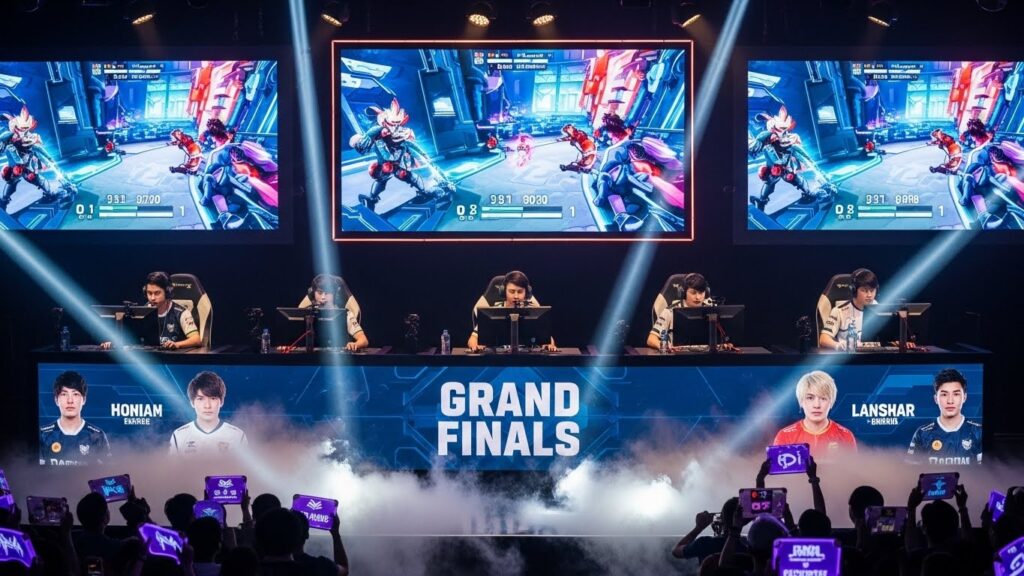
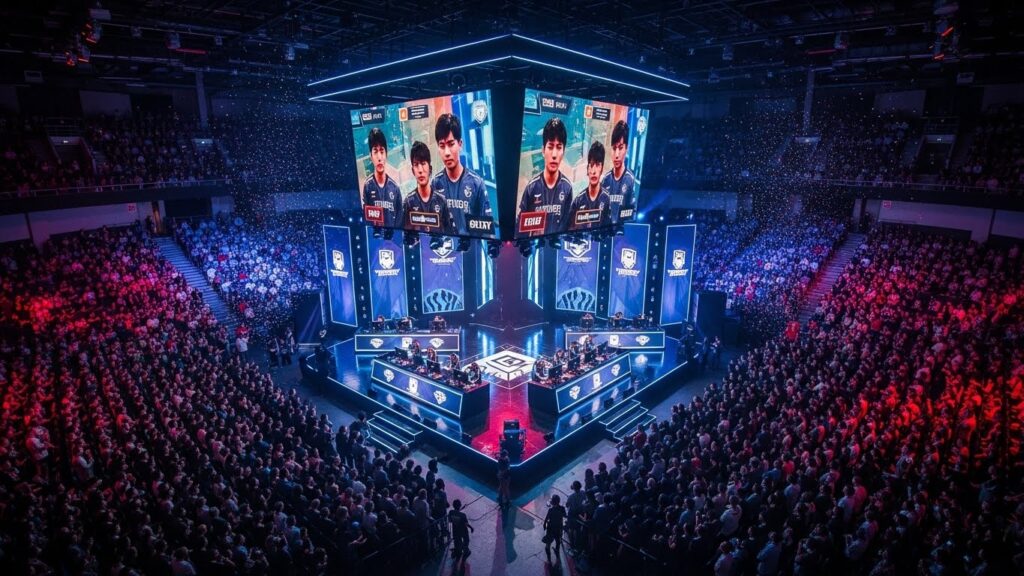
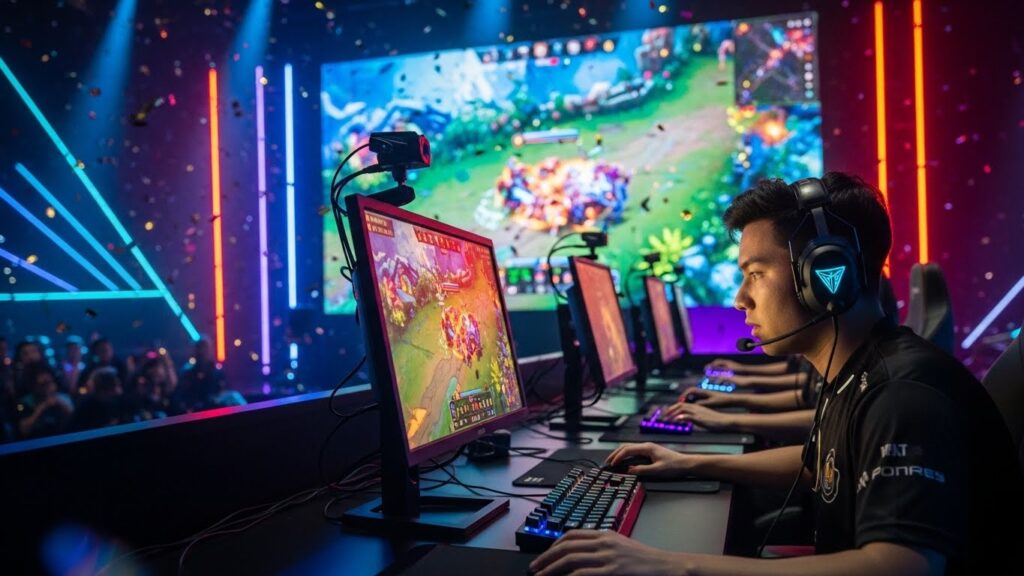
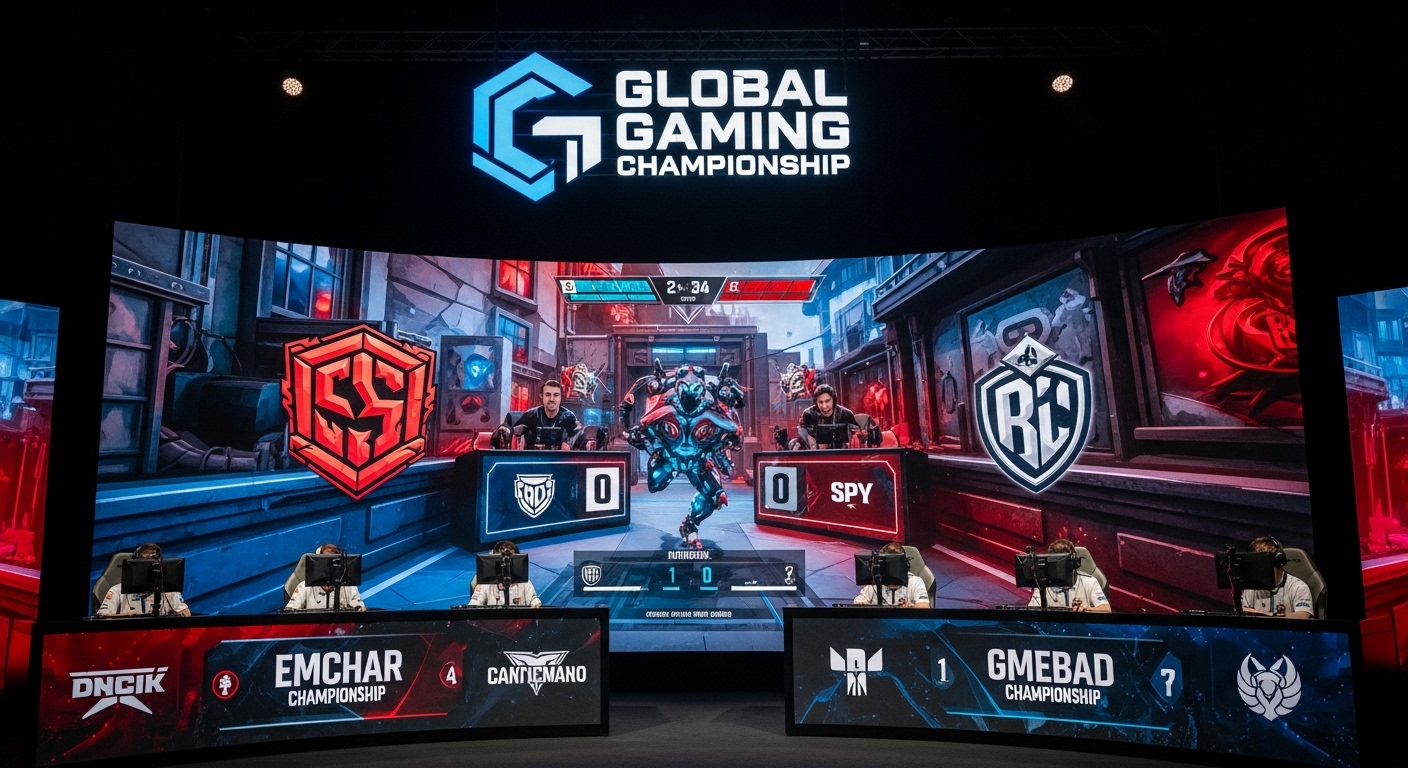
In the past few decades, esports has evolved from a niche subculture to a global entertainment powerhouse. The rise of competitive gaming has captivated millions of fans worldwide, attracting sponsorships from major brands, creating career opportunities for players, and even becoming a legitimate part of mainstream culture. The scale of esports is truly unprecedented, with multi-million-dollar tournaments, sold-out arenas, and millions of viewers tuning in from every corner of the globe.
So, what exactly is esports, and why has it become such a significant force in the entertainment industry? This blog explores the history, growth, impact, and future of esports, shedding light on how competitive gaming became a cultural and economic juggernaut.
The Early Days of Esports: From Arcades to Online Play
The roots of esports can be traced back to the 1970s and 1980s, a time when video games were just beginning to gain popularity. Arcades, filled with games like Pong, Space Invaders, and Asteroids, became hubs for social interaction, where players would challenge each other for high scores. These early encounters set the stage for the competitive gaming culture we know today.
In the 1990s, the advent of multiplayer gaming began to shift the landscape. Doom and Warcraft II were among the first games to allow players to connect over local area networks (LANs), paving the way for more competitive and organized online play. With the introduction of games like Quake and StarCraft, esports truly began to take shape, with the first official tournaments being held in the late 1990s and early 2000s. These tournaments were small but enthusiastic, featuring local players competing for bragging rights and modest prizes.
The popularity of these early competitions proved that people were hungry for more than just casual gaming—they wanted to showcase their skills in front of an audience. This marked the beginning of a global movement that would eventually lead to the professional esports scene we know today.
The Growth of Esports: Leagues, Tournaments, and Global Recognition
As gaming technology improved, so did the structure of competitive gaming. The early 2000s saw the launch of large-scale tournaments like the World Cyber Games and Electronic Sports World Cup, which began attracting players from around the world. However, it was the rise of multiplayer online battle arena (MOBA) games like League of Legends and Dota 2 that truly pushed esports into the global spotlight.
These games revolutionized competitive play by focusing on team strategy, individual skill, and cooperation. Leagues such as the League of Legends Championship Series (LCS) and the Overwatch League adopted a structure similar to traditional sports, with franchised teams, regular seasons, and global championships. These leagues set the stage for esports to transition from a community-driven hobby into a professional, multi-million-dollar industry.
Today, esports is a highly organized ecosystem with multiple game titles across various genres. Major esports tournaments, such as the League of Legends World Championship and the The International for Dota 2, attract millions of viewers. These events are broadcast live on platforms like Twitch, YouTube, and Facebook, further solidifying esports’ place in the entertainment mainstream.
Esports as a Professional Career
The idea of becoming a professional gamer may have seemed far-fetched just a few years ago, but today, it’s a legitimate career path for thousands of players worldwide. With the rise of esports leagues and tournaments, players can now earn substantial salaries from sponsorships, tournament winnings, streaming, and brand endorsements.
In 2019, the Fortnite World Cup offered a prize pool of $30 million, with the grand prize alone being $3 million. Similarly, Dota 2’s The International continues to break records for its prize pools, with the 2021 tournament reaching over $40 million. These massive prize pools, coupled with streaming platforms like Twitch and YouTube Gaming, have created an environment where top players can make a living doing what they love.
But esports isn’t just about playing. The industry also provides job opportunities in coaching, broadcasting, production, event management, marketing, and more. Professional teams now employ not only players but also analysts, psychologists, and trainers to help optimize performance. This broadens the scope of career options within the esports ecosystem, making it a viable industry for a wide range of talents.
The Social and Cultural Impact of Esports
Esports has had a profound cultural impact, bringing people together from all walks of life. As gaming has become more inclusive and accessible, esports has provided a platform for people to connect, socialize, and compete. Online multiplayer games, such as Fortnite and Call of Duty, have made it easier than ever for players to interact with others from around the world.
This sense of global community is one of the most defining aspects of esports. Fans and players share their passion for gaming through live streams, social media, and fan events. Esports tournaments have become spectacles, attracting not only gamers but also mainstream audiences who may never have played a competitive video game themselves. The League of Legends World Championship, for example, has filled stadiums in cities like Seoul, Los Angeles, and Paris, drawing audiences of tens of thousands.
Esports has also led to the creation of esports-specific content, including documentaries, interviews, podcasts, and live broadcasts. Streaming platforms such as Twitch have enabled gamers to become celebrities in their own right, building massive followings and creating an entirely new form of entertainment. These content creators, or “streamers,” are often seen as role models and influencers, shaping the gaming culture and introducing new audiences to the world of esports.
The Economic Impact of Esports
Esports is not just a cultural phenomenon; it’s also an economic powerhouse. The global esports market is projected to exceed $1.5 billion by 2023, driven by growing viewership, sponsorships, and media rights deals. Brands across various industries, including technology, fashion, and consumer goods, have recognized the commercial potential of esports, leading to an influx of sponsorships and partnerships.
Major companies like Coca-Cola, Intel, Red Bull, and Nike have all invested heavily in esports, sponsoring teams, tournaments, and events. The presence of these brands has helped legitimize esports as a legitimate form of entertainment, not just a hobby. Esports sponsorships alone account for a large portion of the industry’s revenue, with companies seeking to tap into the highly engaged, young, and tech-savvy audience that esports attracts.
Broadcasting rights and streaming platforms also contribute significantly to the esports economy. As more tournaments are broadcast online, platforms like Twitch, YouTube Gaming, and Facebook Gaming are growing in both popularity and revenue. These platforms generate millions of dollars through advertising, subscriptions, and viewer donations, providing a sustainable revenue model for esports and content creators alike.
The Future of Esports
Esports is in a constant state of evolution, driven by technological advancements, changing audience expectations, and the ongoing development of new gaming titles. As esports continues to grow, the industry is likely to witness several major trends in the coming years.
1. Increased Integration of Virtual Reality and Augmented Reality
Virtual reality (VR) and augmented reality (AR) hold significant potential for the future of esports. VR gaming, which allows players to immerse themselves in fully interactive environments, could create entirely new forms of competition. AR could enhance the viewing experience, allowing fans to interact with the action in real time or view additional data on their screens during live broadcasts.
2. The Growth of Mobile Esports
With the proliferation of smartphones, mobile gaming has become an essential part of the esports landscape. Mobile games like PUBG Mobile and Clash Royale already have established competitive scenes, and as mobile technology continues to improve, the growth of mobile esports is expected to skyrocket. This would make esports even more accessible to a global audience.
3. Continued Investment from Traditional Sports
Many traditional sports organizations have already shown interest in esports, either by creating their own leagues or by sponsoring existing tournaments. For example, the NBA has its own esports league, the NBA 2K League, while football clubs like Manchester City and Paris Saint-Germain have invested in esports teams. This trend is likely to continue, as traditional sports see esports as a way to engage younger audiences and diversify their entertainment portfolios.
4. The Expansion of Esports in Education
As esports becomes more mainstream, educational institutions are increasingly offering programs and scholarships related to competitive gaming. Colleges and universities around the world are developing esports curricula, while high schools are hosting local tournaments. These initiatives will help legitimize esports as a legitimate career path, encouraging the next generation of gamers to pursue their passions while receiving an education.
Conclusion: Esports—A New Era of Entertainment and Competition
Esports has come a long way since its humble beginnings in the arcades. Today, it is a global industry that spans multiple genres, attracts millions of fans, and provides lucrative opportunities for players, teams, and content creators. With its impressive growth, cultural impact, and economic significance, esports is poised to continue shaping the future of entertainment and competition.
As the industry matures, the integration of new technologies, the expansion of mobile esports, and the continued involvement of traditional sports organizations will only further fuel esports’ rise to prominence. For both players and fans, esports represents a new frontier in entertainment—one that is here to stay