
Introduction
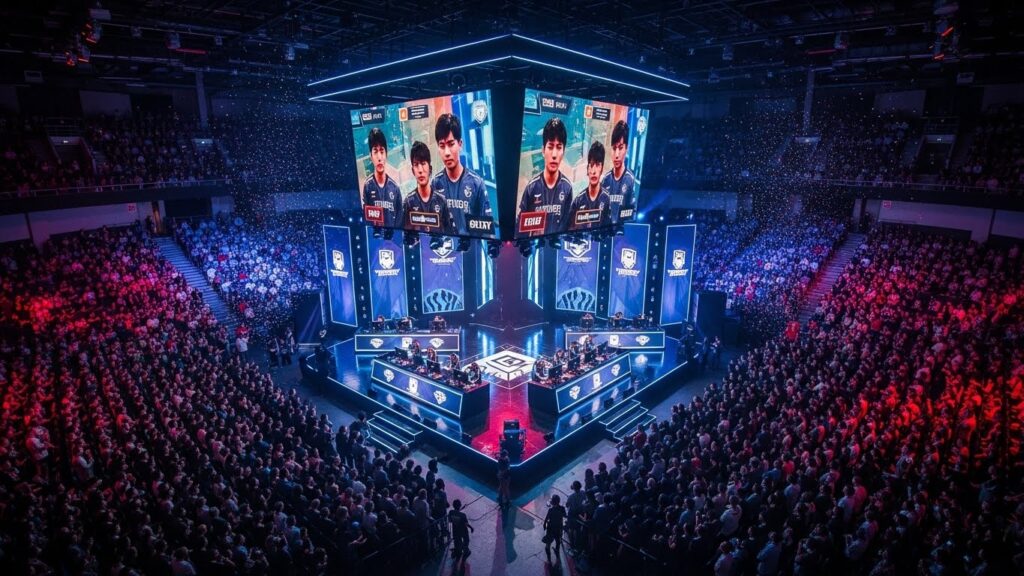
In recent years, esports has transcended its digital roots to become a global cultural and economic powerhouse. What was once confined to computer screens and local LAN tournaments has now evolved into massive international events that fill arenas, generate millions in revenue, and attract tourists from around the world. Esports events are no longer just competitions; they are full-scale spectacles combining entertainment, technology, and community.
One of the most fascinating aspects of this growth is the surprising connection between esports and tourism. Cities that host major esports tournaments experience significant boosts in travel, hospitality, and cultural exchange. From hotel bookings to dining, from transportation to merchandise sales, the tourism ripple effect of esports is undeniable.
This blog explores how esports events contribute to tourism, why cities are competing to host them, and how they’re shaping the future of global travel and urban branding.
The Rise of Esports as a Global Industry
Esports has grown from grassroots gaming communities to an industry worth billions of dollars annually. Professional leagues, international tournaments, and live broadcasting platforms have transformed gaming into a mainstream spectator sport. Events like The International, the League of Legends World Championship, and the Overwatch League Finals draw audiences comparable to traditional sports championships.
With audiences spanning continents, these events generate excitement that extends far beyond the digital realm. Fans are willing to travel internationally to see their favorite teams compete, meet gaming icons, and experience the thrill of live esports atmospheres. What was once a niche form of entertainment is now an integral part of modern global culture, merging competitive gaming with tourism, media, and technology.
The Birth of Esports Tourism
Esports tourism refers to the phenomenon of fans traveling to attend gaming events, expos, and conventions. Just like traditional sports tourism — where fans travel to see events like the Olympics or World Cup — esports tourism involves journeys motivated by passion for competition and community.
The demographic driving this trend is primarily young, tech-savvy, and globally connected. These travelers are often willing to explore new destinations to participate in the shared energy of esports events. In doing so, they not only contribute to ticket sales but also inject spending into local economies through accommodation, transportation, food, and entertainment.
Cities have quickly recognized this potential. Hosting esports tournaments has become a strategic way to attract younger tourists and brand themselves as forward-thinking, digitally progressive destinations.
Economic Impact on Host Cities
The economic benefits of esports events are wide-ranging. When thousands of fans flock to a host city, the influx of visitors stimulates local businesses across multiple sectors.
1. Hospitality Industry Boost:
Hotels near event venues often see near-full occupancy during esports tournaments. Major cities like Seoul, Shanghai, and Los Angeles report spikes in bookings surrounding major competitions. Smaller cities also benefit as esports events often attract international guests who extend their stays for sightseeing or local exploration.
2. Food and Beverage Growth:
Restaurants, cafes, and bars thrive during esports weekends. Many even theme their menus or host viewing parties to engage the influx of fans. Food delivery platforms experience surges as both local attendees and online viewers join the hype from nearby locations.
3. Transportation and Retail:
Taxi services, ride-sharing platforms, public transport, and local shops all experience higher usage. Merchandise stores and pop-up booths selling team apparel, collectibles, and gaming gear become key attractions that generate additional income for vendors.
In total, esports events can generate millions in local spending, rivaling — and sometimes surpassing — traditional entertainment events in economic output.
Esports Venues as Tourist Attractions
Esports venues themselves are becoming iconic travel destinations. Cities are investing in purpose-built esports arenas and multi-use digital stadiums designed to host gaming events, concerts, and conferences.
For example, certain Asian cities have built entire complexes dedicated to esports, combining arenas, hotels, training facilities, and experience zones. These landmarks not only host tournaments but also attract year-round visitors who come to explore the gaming culture.
Moreover, esports venues often integrate cutting-edge technology — augmented reality experiences, immersive screens, and interactive exhibits — making them ideal attractions for tech enthusiasts and tourists alike.
The Role of Mega Events in Global Tourism
Just like the FIFA World Cup or the Olympics, mega esports events serve as global magnets. Tournaments such as the League of Legends World Championship or Dota 2’s The International bring together fans, teams, and media from across the world.
These events typically rotate host cities, giving different regions a chance to experience the tourism boom. When such a major competition is announced, it can transform a city into an international hub for a week or more. Local airports see increased traffic, airlines introduce special travel packages, and tourism boards collaborate with event organizers to showcase their city’s attractions.
Beyond direct economic benefits, the long-term exposure that comes with hosting such global events boosts a city’s reputation. The media coverage and live broadcasts reach millions, introducing the host city to audiences who may later visit for other reasons.
Cultural Exchange Through Esports
Esports tourism also fosters cultural exchange. When fans from different countries gather in one place, they bring diverse languages, traditions, and perspectives. Gaming becomes a universal language that transcends cultural barriers.
Host cities often organize cultural showcases, local entertainment, and sightseeing tours to introduce visitors to their traditions. In turn, local communities become more globally aware and engaged with international cultures. This exchange of ideas, creativity, and enthusiasm enriches both visitors and residents.
Esports tourism, therefore, doesn’t just boost the economy — it connects people across borders, strengthening global understanding through shared passion.
Tourism Boards and Esports Partnerships
Recognizing the potential, tourism boards are actively partnering with esports organizations and event promoters. Governments and city officials view esports as a powerful tool to modernize their tourism strategies and engage younger demographics.
Partnerships often include:
- Sponsorship of Major Events: Tourism departments fund or co-host tournaments to drive exposure.
- City Branding Initiatives: Logos, mascots, and landmarks are featured in broadcasts and digital campaigns.
- Travel Packages: Coordinated deals for tickets, hotels, and local attractions encourage extended stays.
For example, some cities have integrated esports into their long-term tourism plans, promoting themselves as “digital capitals” or “gaming-friendly destinations.” These efforts attract not only fans but also potential investors, developers, and tech companies.
Case Study Examples of Tourism Growth from Esports
Throughout the world, esports events have already demonstrated tangible impacts on tourism and city branding.
1. Seoul, South Korea:
Often regarded as the birthplace of modern esports, Seoul regularly hosts major tournaments for games like StarCraft, League of Legends, and Overwatch. The influx of international fans and journalists during events like the World Championship has helped position Seoul as a global gaming hub. Tourists explore its blend of gaming cafes, high-tech attractions, and cultural landmarks, making it a top destination for gaming enthusiasts.
2. Katowice, Poland:
Perhaps the best example in Europe, Katowice transformed from an industrial city into a global esports hotspot thanks to the Intel Extreme Masters (IEM) tournament. Each year, the event draws tens of thousands of visitors, generating millions in local revenue. Hotels, restaurants, and shopping centers experience record numbers, while the city’s international reputation continues to grow.
3. Shanghai, China:
Hosting multiple global finals, Shanghai has leveraged esports to enhance its image as a futuristic metropolis. The city’s government heavily invests in esports infrastructure, promoting tourism and positioning Shanghai as Asia’s digital entertainment capital.
4. Los Angeles, USA:
Home to countless gaming companies and esports organizations, Los Angeles attracts global fans with events at venues like the Staples Center and the LCS Arena. Tourists often extend their stays to explore Hollywood and local landmarks, merging traditional and digital tourism appeal.
These examples show how cities can redefine their identities through esports, combining modern entertainment with cultural tourism.
Beyond Tournaments: Esports Conventions and Festivals
Esports-related conventions and festivals also play a major role in tourism. Events like DreamHack, Gamescom, and TwitchCon attract not only competitive players but also content creators, developers, and fans. These festivals blend competition, technology showcases, concerts, and cosplay — creating immersive tourism experiences.
Such multi-day events encourage longer stays, greater spending, and a sense of belonging among attendees. Local economies benefit not only from hotel and restaurant spending but also from event-related tourism such as sightseeing and nightlife participation.
For smaller cities, hosting an esports convention can serve as a gateway to building global recognition and recurring tourism traffic.
Technology and Infrastructure Development
To host esports events successfully, cities often invest in infrastructure upgrades. This includes high-speed internet, modern arenas, and transport connectivity. These improvements, while initially intended for the event, have long-term benefits for tourism as a whole.
Advanced technological infrastructure attracts conferences, startups, and digital industries, strengthening the city’s economic ecosystem. Improved public transport and connectivity make the destination more attractive to all kinds of travelers.
In this way, esports indirectly contributes to urban development and innovation, leaving a legacy beyond the duration of the event itself.
The Influence of Esports on Future Tourism Trends
As esports continues to grow, it will shape the future of tourism in multiple ways. Virtual and augmented reality technologies will soon allow fans to experience hybrid events — attending digitally while still engaging in real-world tourism elements.
Cities might develop “gaming tourism circuits,” combining historical tours with visits to esports training centers, gaming museums, and interactive attractions. Dedicated esports travel agencies could emerge, offering curated packages that mix competition attendance with local adventure.
Additionally, esports fans tend to share their experiences online, amplifying a city’s exposure through social media. This digital promotion is invaluable in attracting future visitors who discover destinations through gaming communities.
The Long-Term Branding Benefits
Hosting esports events provides long-term branding value that extends beyond immediate revenue. Cities gain recognition as modern, youth-oriented destinations that embrace innovation and technology.
This reputation can attract foreign investment, creative industries, and skilled talent — all of which contribute to economic growth. Furthermore, the visibility gained through live streams and global broadcasts introduces millions of viewers to the city’s architecture, culture, and lifestyle.
In a world where digital media drives perception, esports offers cities a modern platform to tell their stories to the next generation of travelers.
Challenges and Considerations
Despite the many benefits, hosting esports events also presents challenges. Organizers and cities must plan for infrastructure needs, crowd management, and technology reliability. Internet stability, event security, and visa support for players are crucial to ensuring smooth execution.
Sustainability is another consideration. Large-scale events generate environmental impact through travel and energy use. Cities must explore eco-friendly practices, such as renewable energy venues and waste reduction strategies, to balance tourism benefits with environmental responsibility.
Lastly, inclusivity remains essential. Ensuring events are accessible to fans of all backgrounds, including those with disabilities, enhances both tourism appeal and ethical credibility.
The Social Impact of Esports Tourism
Esports events do more than boost economies; they inspire communities. Local residents often get involved as volunteers, vendors, or attendees. Youth programs and workshops held alongside events encourage interest in technology, design, and digital careers.
For many cities, esports tourism brings pride and recognition. It transforms urban spaces into hubs of energy, creativity, and global unity. Fans leave with unforgettable experiences, while locals benefit from exposure to new cultures and opportunities.
In essence, esports tourism strengthens social cohesion while driving innovation and economic activity.
The Future of Esports and Tourism Synergy
Looking ahead, esports and tourism will continue to intertwine. Cities that invest in both physical and digital infrastructure will gain a competitive edge. Hybrid events — combining live attendance with immersive virtual participation — will expand accessibility and reach.
Tourism boards will increasingly see esports as a vital part of destination marketing. From themed hotels to esports museums, the integration of gaming culture into city identity will become more common.
As generations that grew up with gaming become the world’s main travelers, the demand for esports-related tourism experiences will only rise.
Conclusion
Esports events have emerged as powerful catalysts for tourism, driving economic growth, cultural exchange, and city branding. What began as online gaming has evolved into a global phenomenon that fills arenas and fuels local economies.
From the bustling streets of Seoul to the lively crowds of Katowice, esports continues to redefine how destinations attract visitors. Fans travel not just for the competition but for the community, culture, and experience that surround it.
In the coming years, as esports integrates further with entertainment, technology, and tourism, it will reshape how we explore the world. Cities that embrace this evolution will not only benefit economically but also establish themselves as leaders in a new era of digital tourism.
Esports doesn’t just bring players together — it brings the world closer.