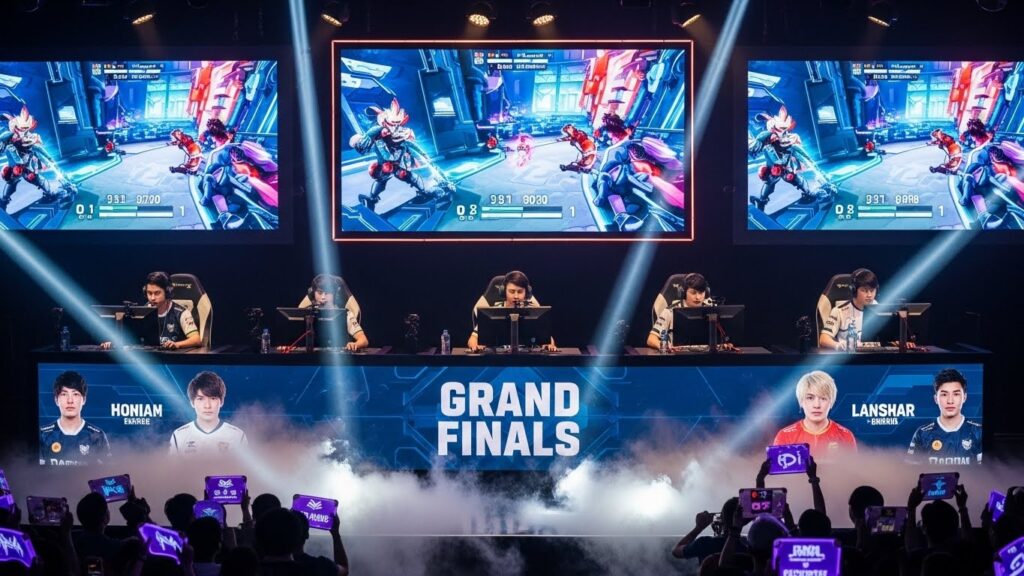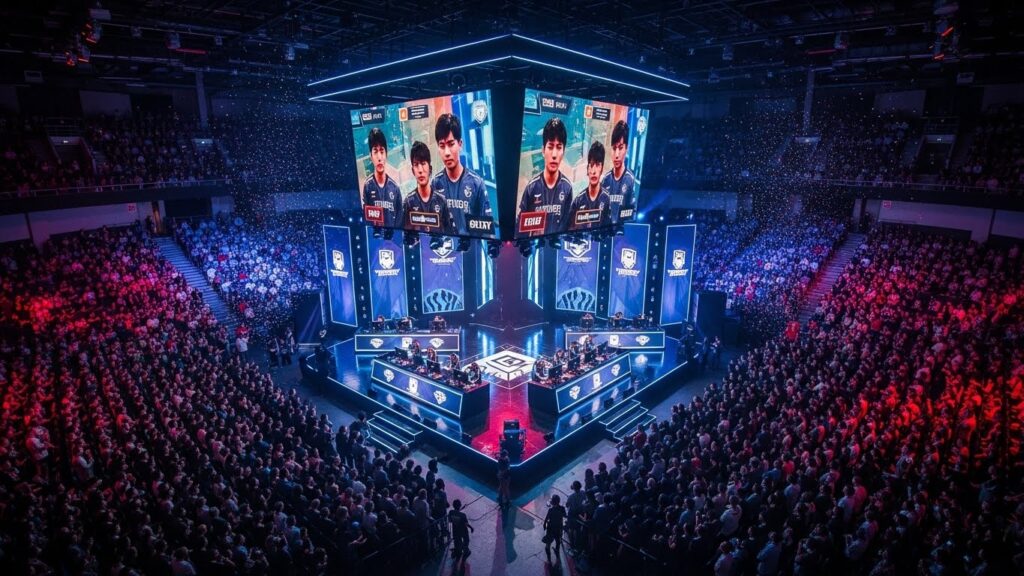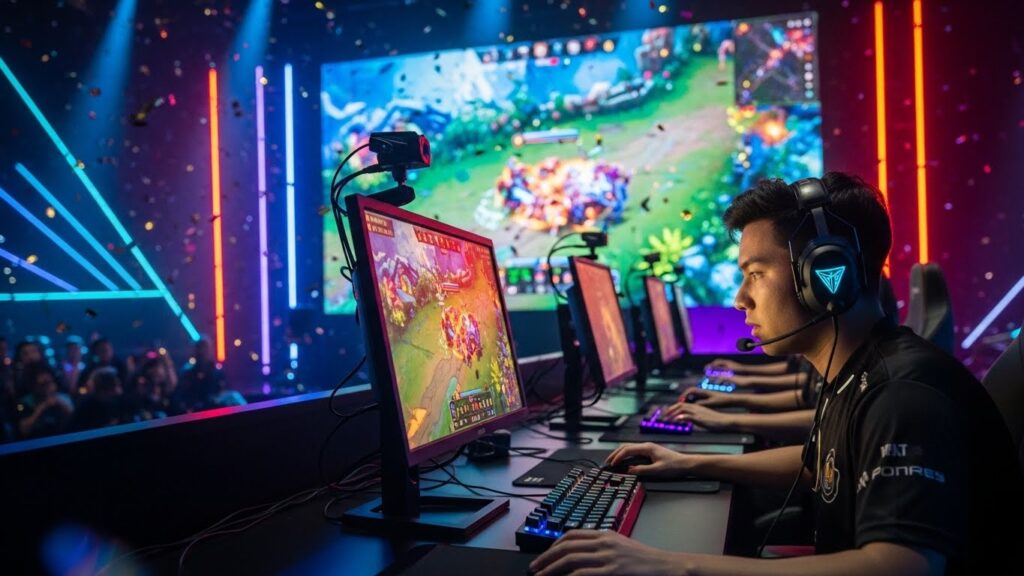
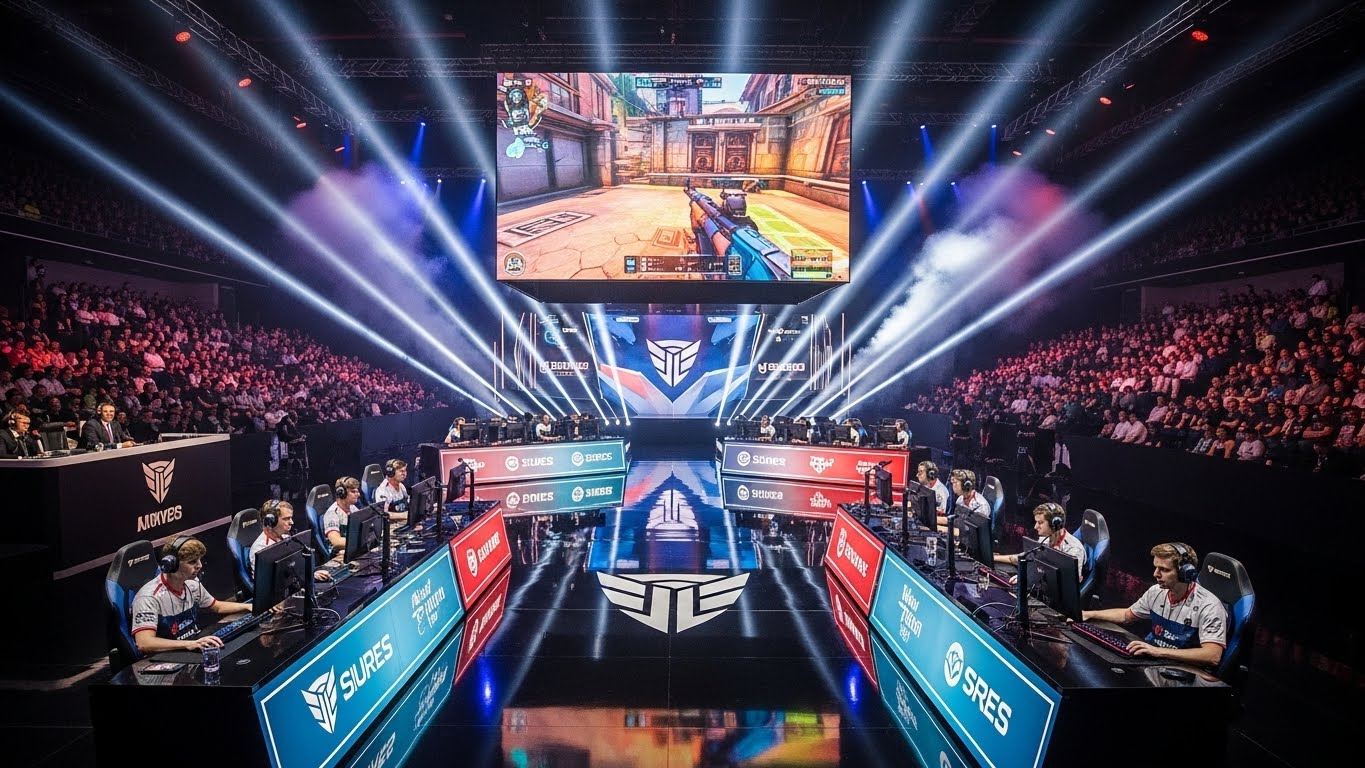
In the past decade, a revolution has quietly taken over living rooms, classrooms, and stadiums worldwide. Competitive video gaming, known as esports, has grown from niche hobby to a multi-billion-dollar industry that captivates millions. Esports is more than just playing video games—it represents a new era of competition, entertainment, and community, blending technology, skill, and strategy in ways that traditional sports could only dream of. In this blog, we will explore the rise of esports, its cultural impact, economic significance, the skills it fosters, and the opportunities and challenges it presents in the digital age.
What is Esports?
Esports, short for electronic sports, is organized, competitive gaming where individuals or teams face off in video games for rankings, prizes, and recognition. Unlike traditional sports, esports relies less on physical strength and more on reflexes, strategic thinking, communication, and adaptability. Popular game genres include first-person shooters, real-time strategy games, multiplayer online battle arenas, fighting games, and sports simulations.
Some of the most renowned titles in esports include League of Legends, Dota 2, Counter-Strike, Fortnite, FIFA, and Call of Duty. These games are not only challenging but also strategically complex, requiring split-second decisions, long-term planning, and teamwork. Professional esports competitions now attract millions of viewers worldwide, showcasing a new form of entertainment that rivals traditional sports leagues in popularity.
The History and Growth of Esports
Competitive gaming is not a new concept. As early as the 1970s, arcade games hosted competitions, but the term esports and its professional structure only emerged in the late 1990s and early 2000s. South Korea became a global hub for competitive gaming, particularly with the rise of StarCraft, which became a national sensation. Players trained intensively, professional teams were formed, and dedicated television channels broadcast matches, laying the foundation for the modern esports ecosystem.
The introduction of high-speed internet and live-streaming platforms in the 2010s transformed esports from a niche activity to a global phenomenon. Online viewership skyrocketed, and tournaments began offering multi-million-dollar prize pools. Today, esports fills arenas, attracts sponsorships from global brands, and draws fan bases comparable to traditional sports leagues.
The Cultural Significance of Esports
Esports has developed its own unique culture, blending gaming, entertainment, and community engagement. Fans follow players and teams with the same loyalty sports enthusiasts show for traditional athletes. They participate in forums, social media discussions, and online communities where strategies, gameplay highlights, and tournament results are shared and analyzed.
Inclusivity is one of esports’ strongest cultural aspects. Unlike physical sports, where physical attributes can limit participation, esports is accessible to a wide audience, regardless of gender, age, or physical ability. International tournaments bring together players from diverse backgrounds, promoting cross-cultural exchange and collaboration. Professional esports players often become role models, influencing gaming trends, fashion, and even social causes, reflecting the growing cultural impact of competitive gaming.
Economic Impact of Esports
Esports has emerged as a powerful economic engine. Professional leagues, tournaments, live streaming, sponsorships, merchandise sales, and media rights generate billions of dollars annually. Organizations invest heavily in infrastructure, coaching, marketing, and player development, creating a thriving ecosystem.
Sponsorship deals with global brands and corporations have helped legitimize esports as a career path. Companies invest in teams, events, and content creators, recognizing the highly engaged and tech-savvy audience esports attracts. Furthermore, esports has created a diverse range of careers beyond professional gaming, including analysts, event organizers, commentators, coaches, and digital content creators, demonstrating that competitive gaming is both a professional and economic opportunity.
Skills Developed Through Esports
Participating in esports cultivates a wide range of cognitive, social, and technical skills. Quick reflexes, precision, and hand-eye coordination are essential, but equally important are strategic thinking, adaptability, and problem-solving. Team-based games emphasize communication, leadership, and collaboration, as players coordinate complex strategies in real-time.
Professional esports players train extensively, dedicating hours each day to practice, studying opponents, and analyzing gameplay. This discipline fosters resilience, time management, and goal-setting abilities, skills that are transferable to academic pursuits, careers, and personal growth. Even casual players benefit from enhanced multitasking, critical thinking, and decision-making abilities, showcasing the intellectual depth of esports.
Social Benefits of Esports
Esports offers meaningful social benefits beyond gameplay. Multiplayer games encourage teamwork, communication, and collaboration, allowing players to connect with others who share similar interests. Online communities provide support networks, foster friendships, and create a sense of belonging, particularly for individuals who may find traditional social interactions challenging.
Educational institutions increasingly recognize the value of esports. Schools and universities establish clubs, programs, and competitive teams to promote engagement, leadership, and teamwork among students. Esports scholarships provide both financial assistance and opportunities for students to pursue higher education while developing skills relevant to the digital economy.
Challenges Facing Esports
Despite its impressive growth, esports faces significant challenges. Extended gaming sessions can lead to physical health issues such as eye strain, poor posture, and repetitive stress injuries. Mental health concerns, including burnout, performance pressure, and stress, are also prevalent among professional players. To address this, organizations are implementing wellness programs, structured practice schedules, and psychological support.
Regulation and standardization remain ongoing challenges. Unlike traditional sports with established governing bodies, esports is fragmented across platforms, games, and tournaments, leading to potential issues with fair play, cheating, and inconsistent rules. Public perception is another hurdle; despite its popularity, esports is still sometimes dismissed as mere entertainment rather than a legitimate professional pursuit, despite the skills, dedication, and economic opportunities it provides.
Technology and Innovation in Esports
Esports is inseparable from technological advancement. High-performance gaming equipment, fast internet connectivity, and advanced software enable competitive gameplay at the highest level. Emerging technologies such as virtual reality, augmented reality, and artificial intelligence are beginning to enhance both gameplay and spectator experience, making competitions more immersive and interactive.
Streaming platforms have transformed how audiences engage with esports. Viewers can watch live matches, analyze gameplay, interact with commentators, and connect with other fans in real-time. Social media amplifies the reach of esports content, creating global communities and increasing fan engagement. Technology continues to push the boundaries of how esports is played, watched, and experienced.
The Future of Esports
The future of esports is bright and full of potential. Technological innovation will continue to expand the possibilities for both players and fans, including virtual reality tournaments, AI-driven analytics, and enhanced streaming experiences. Integration with traditional sports is also on the rise, as professional sports organizations invest in esports teams, creating cross-industry synergies.
Educational programs will further professionalize esports, offering courses in game design, esports management, broadcasting, and analytics. The industry is expected to become more structured, with standardized rules, player welfare programs, and sustainable career paths. Esports is set to redefine competition, entertainment, and professional opportunities in the digital era.
Conclusion
Esports is no longer a niche hobby—it is a global phenomenon that combines skill, strategy, and digital innovation. It challenges traditional definitions of competition, creating a new arena where reflexes, intelligence, and teamwork determine success. From the dedication of professional players to the enthusiasm of millions of fans, esports has demonstrated that competitive gaming is more than entertainment—it is a cultural, social, and economic force.
As the industry continues to grow, technology evolves, and communities expand, esports will play an increasingly important role in shaping the future of competition and entertainment. It represents a new era where digital skills are celebrated, communities are connected, and innovation drives engagement. Esports is not just the future of gaming—it is the future of global competition, offering opportunities, inspiration, and excitement for generations to come.