Introduction: Esports – More Than Just a Game
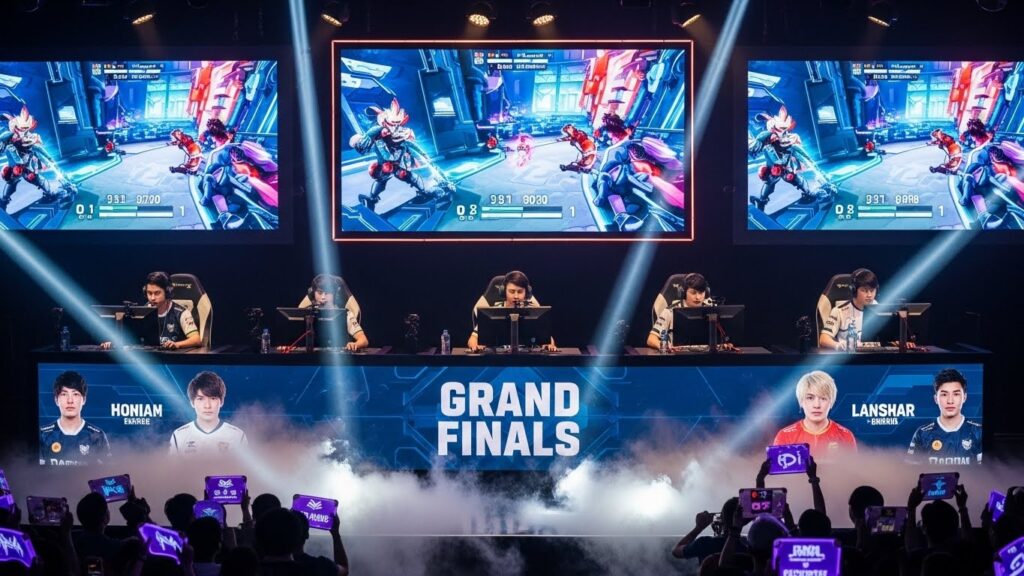
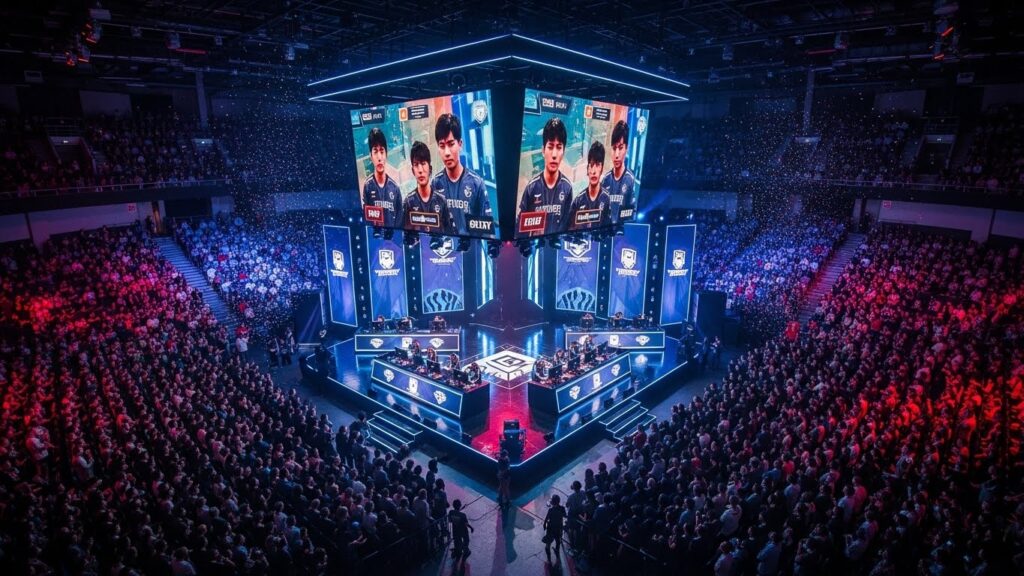
In the last decade, esports has transformed from a niche hobby into a global phenomenon. Competitive video gaming, once confined to small tournaments and online forums, now commands stadiums full of fans, multi-million-dollar sponsorships, and international recognition. Esports is not just entertainment; it represents a new frontier in sports culture, technology, and community engagement. Its rise highlights the changing ways in which people interact with media, connect with each other, and pursue professional opportunities. From amateur gamers streaming online to professional teams competing in world championships, esports has become a powerful cultural and economic force.
The Evolution of Esports
The history of esports dates back to the late 1970s and early 1980s when competitive gaming tournaments began to emerge. Early games like Space Invaders and Pac-Man saw local competitions, but it was the rise of multiplayer online games that truly shaped esports. Titles such as StarCraft, Counter-Strike, and League of Legends introduced professional-level competition, establishing leagues, ranking systems, and international tournaments. With the advent of streaming platforms and high-speed internet, esports expanded its reach, allowing players to showcase skills to global audiences. Today, esports encompasses a wide variety of game genres, including first-person shooters, real-time strategy games, and multiplayer online battle arenas, each with its dedicated fan base.
The Physical and Mental Demands of Esports
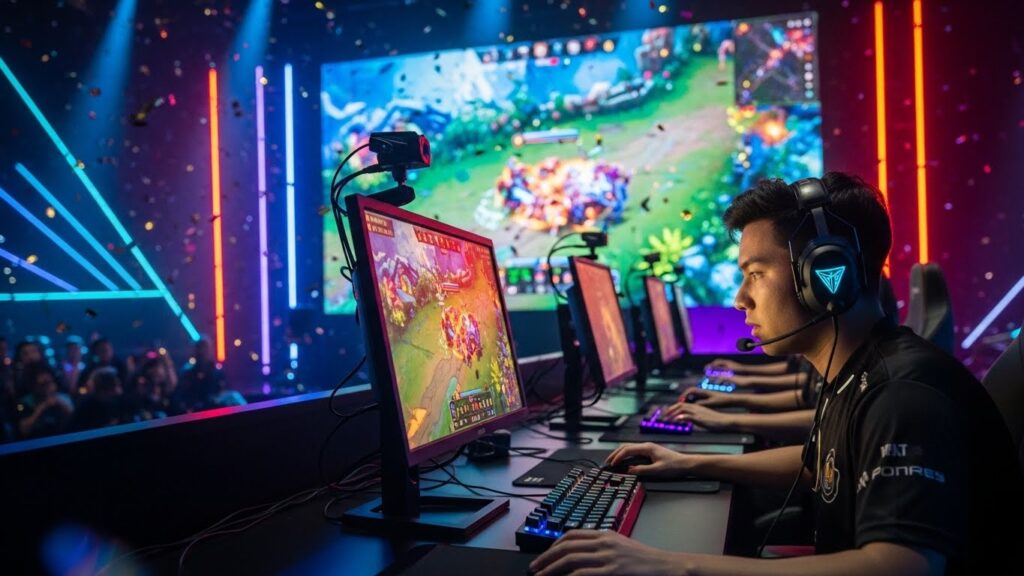
Contrary to popular belief, esports requires both mental acuity and physical endurance. Professional players maintain rigorous practice schedules, often exceeding eight to ten hours a day, honing reflexes, strategic thinking, and team coordination. Hand-eye coordination, reaction time, and decision-making under pressure are critical skills that differentiate top players from casual gamers. Physical fitness also plays a role; many professional players follow exercise routines to maintain focus and reduce fatigue during extended gaming sessions. Mentally, esports demands resilience, adaptability, and the ability to handle stress from high-stakes competitions and public scrutiny.
Teamwork, Strategy, and Leadership in Esports
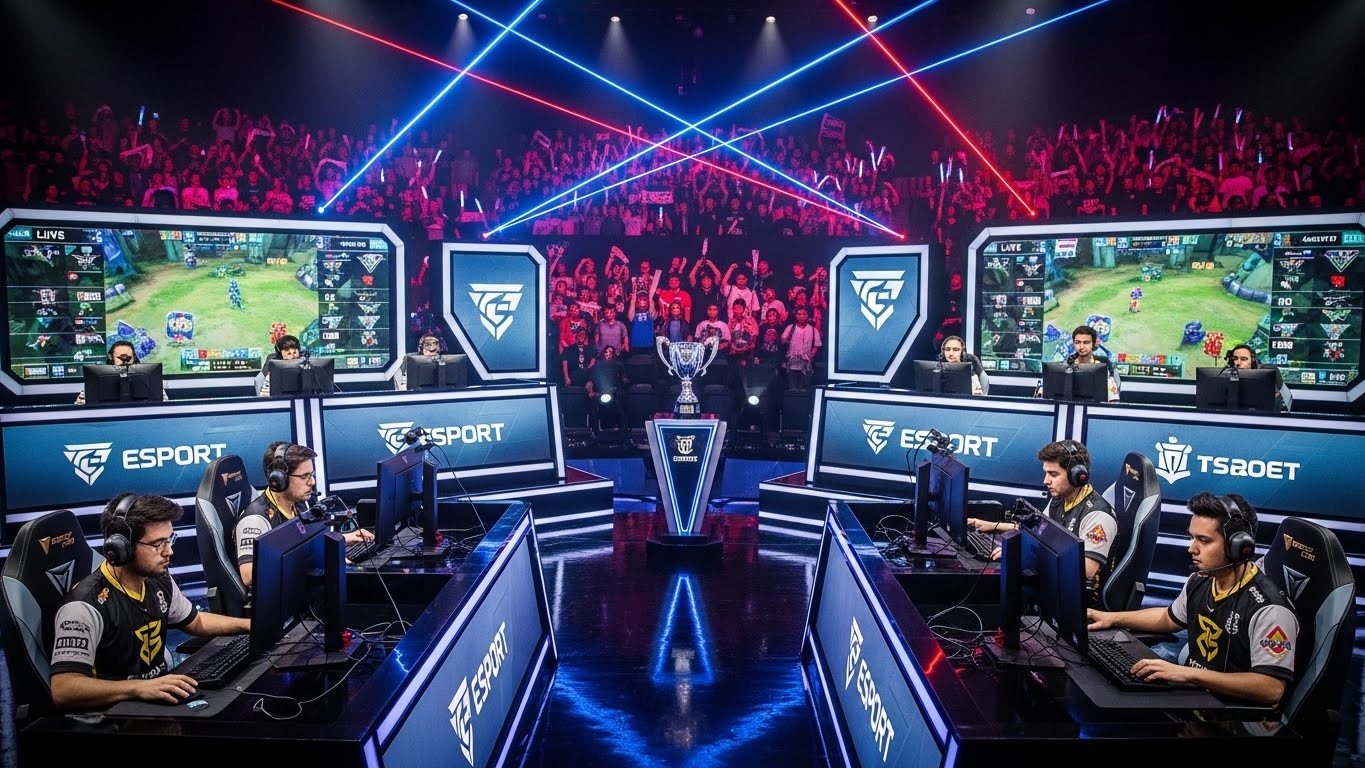
While some games focus on individual performance, team-based esports heavily emphasize collaboration and strategy. Teams must communicate effectively, develop tactics, and adapt to opponents’ strategies in real time. Leadership emerges naturally in team settings, with captains and experienced players guiding their teammates through complex scenarios. Each team member has specialized roles, and success depends on cohesion and mutual trust. These skills extend beyond the game, teaching problem-solving, communication, and leadership abilities applicable in education, business, and personal development.
The Global Esports Industry
Esports has grown into a multi-billion-dollar industry, attracting investment from major corporations, media companies, and sponsors. Professional leagues now offer substantial prize pools, with some tournaments awarding millions of dollars to winning teams. Sponsorship deals, merchandise, advertising, and streaming revenue contribute to the economic ecosystem surrounding esports. Universities have also started offering esports scholarships, acknowledging the competitive and professional legitimacy of gaming. The industry continues to expand, creating career opportunities not only for players but also for coaches, analysts, commentators, and event organizers.
Streaming and Digital Platforms: Connecting Fans Worldwide
One of the most significant drivers of esports’ growth is the rise of streaming platforms. Websites and apps allow gamers to broadcast their gameplay to millions of viewers in real time. Platforms like Twitch and YouTube Gaming have enabled professional players to build personal brands and foster direct interaction with fans. Streaming has also democratized esports, allowing amateur gamers to gain recognition and potentially transition to professional status. The combination of live commentary, interactive chat, and social media engagement has created a unique entertainment experience that blends traditional sports with digital interactivity.
Esports and Community Building
Esports is deeply rooted in community. Online forums, fan groups, and social media channels bring together people with shared interests across the globe. Communities provide support, mentorship, and opportunities for collaboration, allowing players to learn and improve collectively. Events like tournaments and fan meetups strengthen these bonds, offering a sense of belonging and shared identity. Esports communities also foster diversity and inclusion, attracting participants from different backgrounds, cultures, and age groups. The communal aspect of esports demonstrates its power to connect people beyond physical boundaries, highlighting the social potential of digital entertainment.
Health and Lifestyle Considerations in Esports
Despite the growing popularity of esports, concerns about health and lifestyle must be addressed. Extended screen time, poor posture, and irregular sleep patterns can negatively impact players’ physical well-being. Professional teams now incorporate wellness programs, including exercise, diet planning, and mental health support, to maintain peak performance. Balancing gaming with other aspects of life, such as education and social activities, is crucial for long-term success and well-being. Awareness of these challenges ensures that esports can remain sustainable as a professional and recreational pursuit.
The Cultural Impact of Esports
Esports is reshaping cultural perceptions of gaming and entertainment. It challenges stereotypes that gaming is purely recreational or anti-social, highlighting the skill, strategy, and discipline required for competitive play. The popularity of esports has influenced mainstream media, fashion, music, and advertising, creating a new cultural landscape where gaming plays a central role. Professional players are celebrated as celebrities, and esports moments are widely discussed and shared, much like traditional sports achievements. This cultural integration demonstrates that esports is more than a pastime; it is a form of expression and a driver of cultural innovation.
Challenges Facing the Esports Industry
Despite its growth, esports faces challenges that require careful management. Issues such as cheating, toxicity in online communities, and the mental health pressures on professional players pose significant risks. Regulatory frameworks are still evolving, with questions about contracts, labor rights, and fair competition standards. Ensuring accessibility and inclusivity is another ongoing challenge, as technological requirements and socioeconomic factors can limit participation. Addressing these challenges is essential for the continued legitimacy and sustainability of the esports industry.
The Future of Esports
The future of esports is bright, driven by technological innovation, increasing global interest, and institutional recognition. Virtual reality and augmented reality are beginning to create immersive gaming experiences, potentially transforming competitive play. The expansion of mobile gaming has opened esports to new audiences, particularly in regions where traditional gaming setups are less accessible. Educational programs, career pathways, and international tournaments continue to grow, solidifying esports as a professional pursuit with longevity. As esports evolves, it will likely continue to redefine the intersection of entertainment, technology, and culture.
Conclusion: Esports as a Cultural and Professional Force
Esports is no longer a niche activity; it is a global movement that combines competition, community, and creativity. It challenges traditional notions of sports, entertainment, and career paths, offering opportunities for personal growth, professional development, and social connection. From the physical and mental demands on players to the cultural influence on communities worldwide, esports represents a dynamic and evolving domain. Its rise reflects broader societal changes in how people interact with technology, consume media, and engage in shared experiences. Beyond the screen, esports embodies the potential of human skill, strategy, and collaboration, making it a defining phenomenon of the digital age.