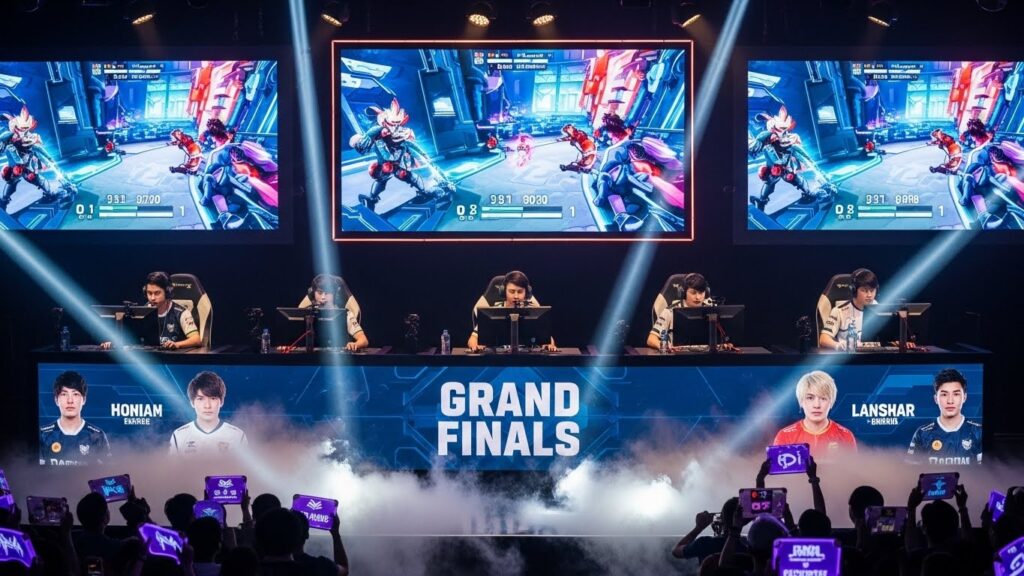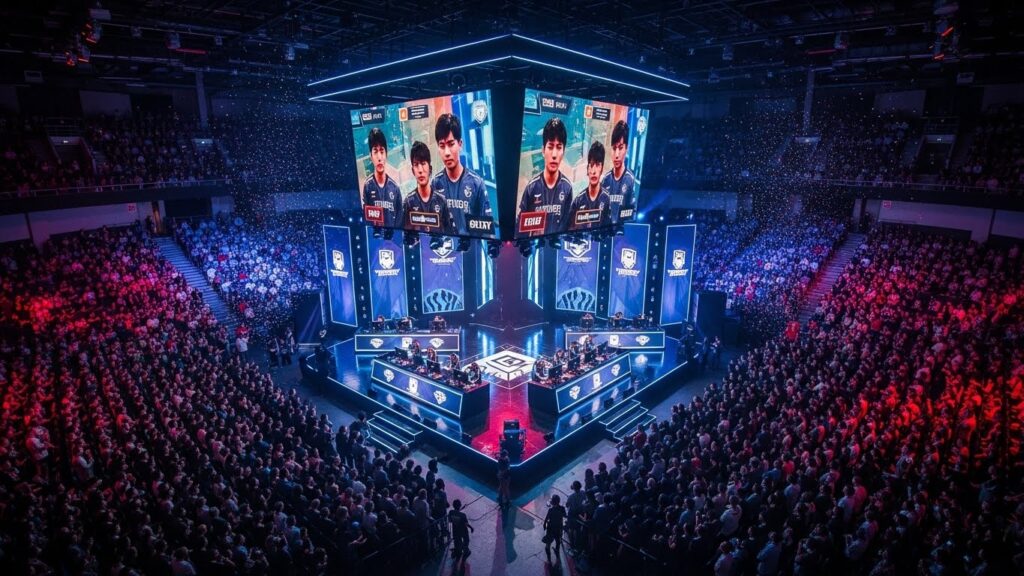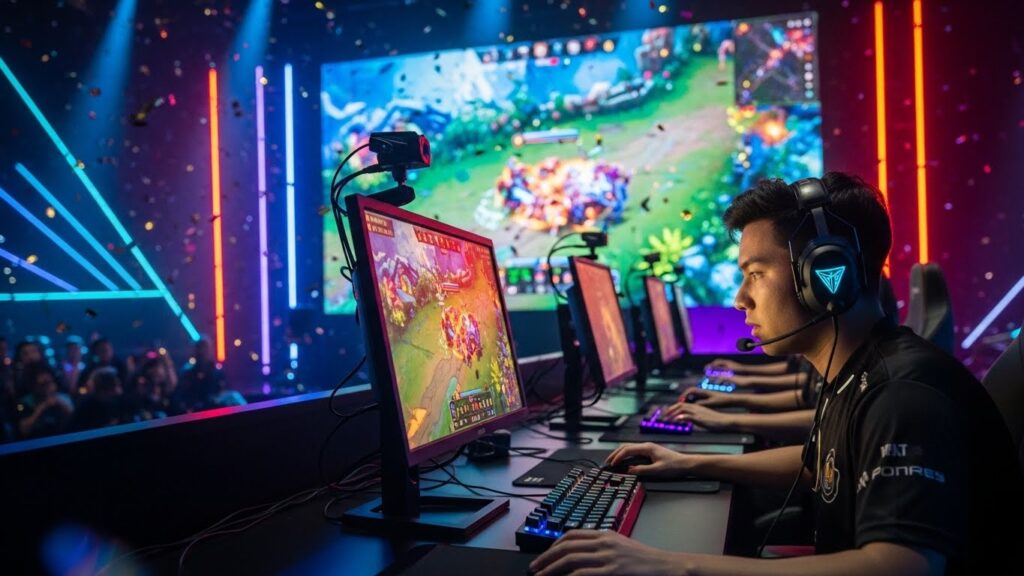
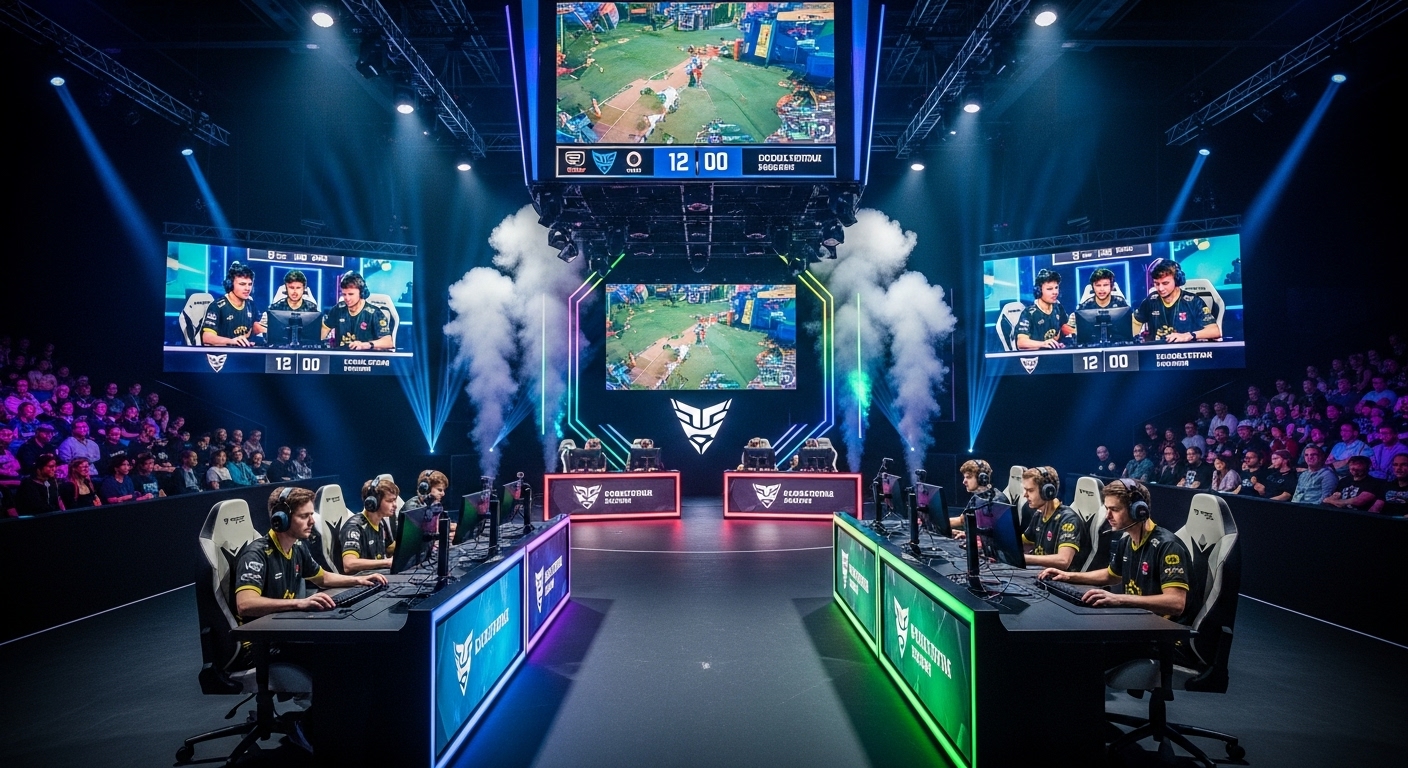
Esports has rapidly evolved from a niche hobby into a global phenomenon that blends technology, skill, and entertainment. Competitive gaming now attracts millions of players and fans worldwide, offering professional opportunities and redefining what it means to be an athlete in the digital age.
The Rise of Competitive Gaming
Esports began as small-scale competitions among local gamers, but the rise of high-speed internet and streaming platforms turned it into a worldwide spectacle. Today, tournaments for games like multiplayer online battle arenas, first-person shooters, and real-time strategy games draw massive audiences. Competitive gaming has proven that digital competition can be just as thrilling and strategic as traditional sports.
Professionalism in Esports
Top esports players train like professional athletes. They spend hours refining their skills, studying opponents, and coordinating with team members. Professional esports leagues offer contracts, sponsorships, and substantial prize pools, allowing players to make a career out of their passion. The professionalization of esports demonstrates the growing legitimacy and recognition of competitive gaming.
Technology Driving the Experience
Technology is at the heart of esports. High-performance gaming systems, low-latency networks, and live streaming platforms enable seamless global competitions. Advanced analytics and artificial intelligence help players optimize strategies, while immersive visuals and audio enhance the spectator experience. These innovations make esports both a technical and entertainment marvel.
Community and Global Engagement
Esports has created a thriving global community. Fans interact through live chats, forums, and social media, sharing strategies, cheering for favorite teams, and celebrating victories. International tournaments bring players and viewers together across continents, fostering collaboration and cultural exchange. Esports has become a digital space where communities unite over shared interests.
Economic and Cultural Impact
The esports industry contributes significantly to the global economy. Sponsorships, advertising, merchandise, and event organization generate revenue, while new career paths in coaching, commentary, and game development continue to expand. Culturally, esports influences fashion, media, and entertainment, shaping the lifestyle of a digitally connected generation.
Mental and Strategic Skills
Competitive gaming develops critical life skills. Players enhance problem-solving, decision-making, and multitasking abilities. Mental resilience, teamwork, and focus are also cultivated under the pressure of high-stakes matches. Esports proves that gaming can challenge both mind and reflexes while teaching valuable skills applicable beyond the virtual arena.
The Future of Esports
The future of esports promises even greater innovation. Virtual reality, augmented reality, and cloud gaming will create more immersive and interactive experiences. Esports could become a mainstream part of major sporting events and educational programs, further bridging the gap between traditional athletics and digital competition. The growth of esports signals a future where gaming is both entertainment and a recognized professional pursuit.
Conclusion
Esports is more than just digital competition—it is a global movement redefining entertainment, sports, and career opportunities. It combines technology, skill, and community in ways that inspire, challenge, and connect millions. As esports continues to evolve, it highlights the limitless potential of competitive gaming in shaping modern culture and the future of sports.