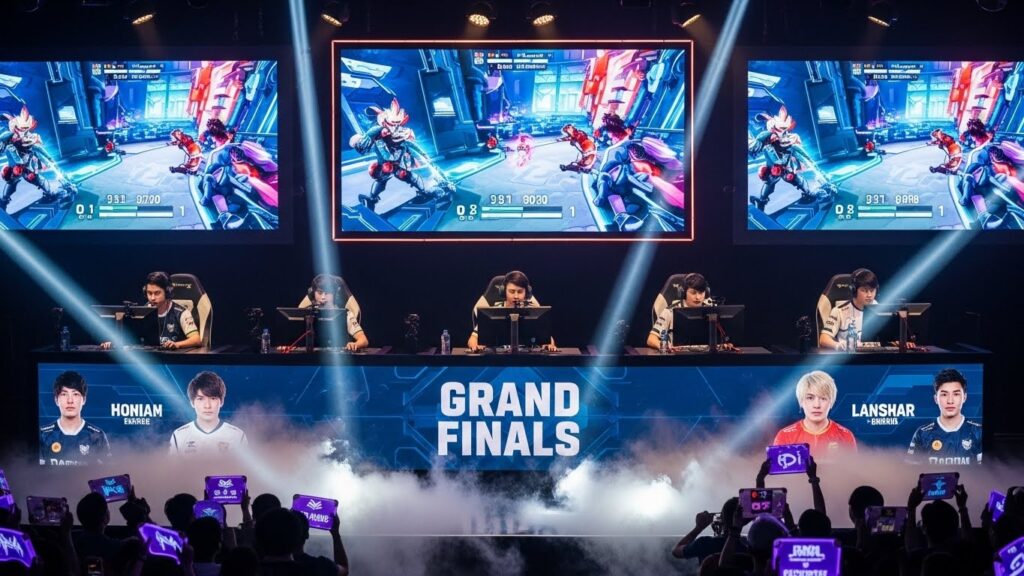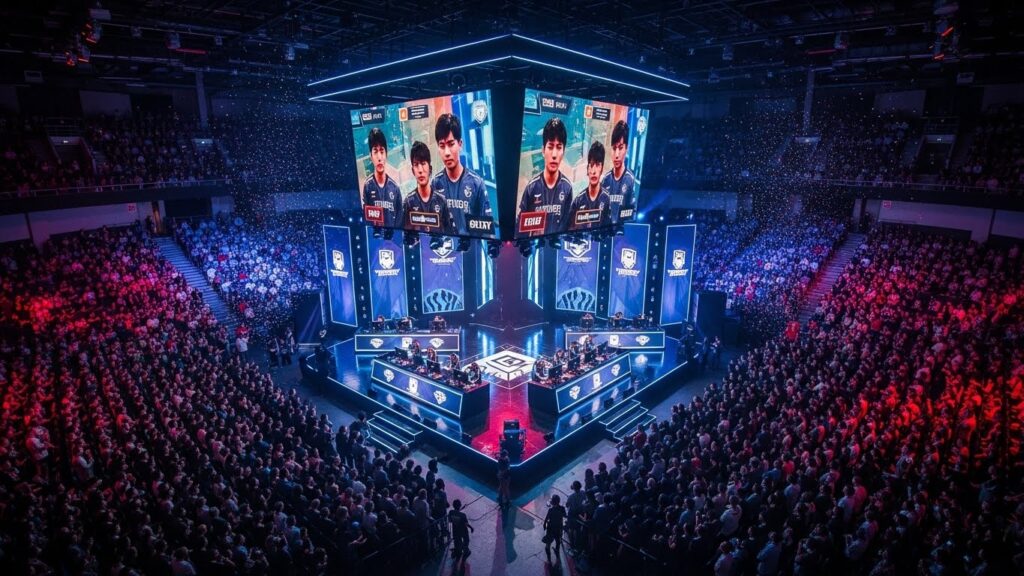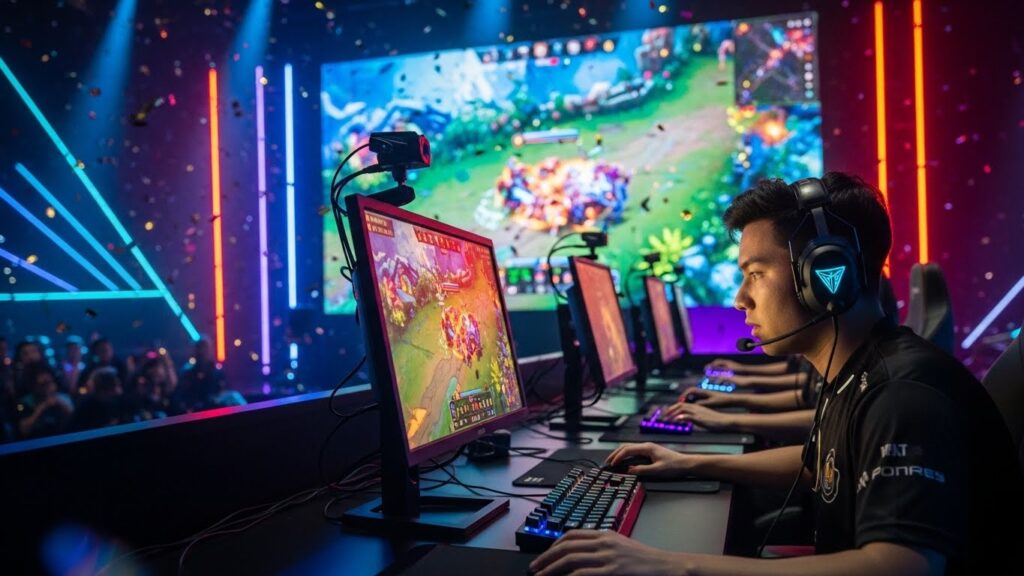
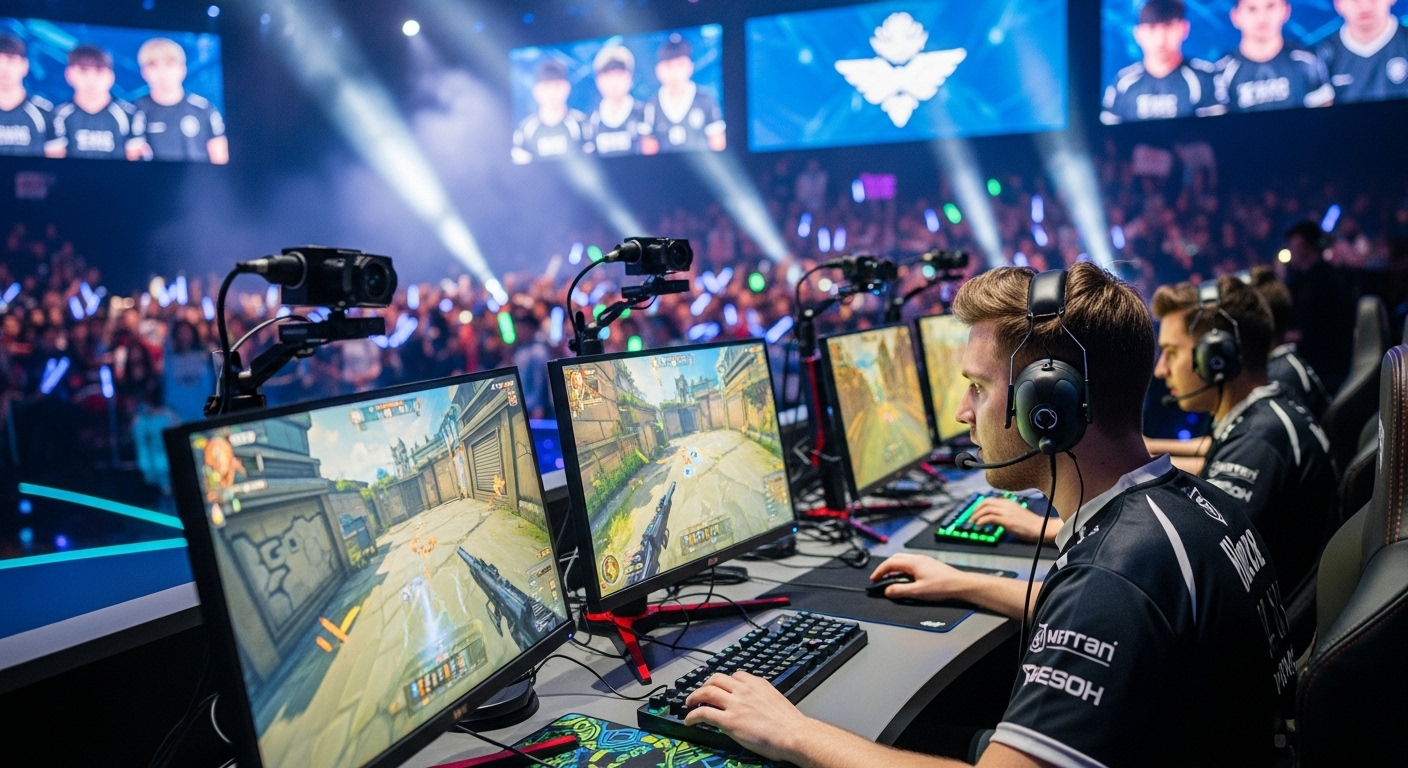
Esports has evolved into a professional, highly competitive industry, with pro gamers achieving fame and success comparable to traditional athletes. Behind the thrilling live streams, championship tournaments, and viral plays lies an incredible amount of preparation, strategy, and discipline. Success in esports is not just about raw talent or reflexes; it is the result of rigorous training, careful planning, and mental fortitude.
This article explores how professional gamers train for success, examining the physical, mental, strategic, and lifestyle habits that make them champions in the competitive gaming world.
Understanding the Esports Training Mindset
Professional gaming requires more than just sitting in front of a screen for hours. Pro gamers adopt a mindset similar to elite athletes, focusing on continual improvement, discipline, and adaptability.
Key Elements of a Pro Gamer’s Mindset:
- Discipline: Training schedules are structured and followed meticulously.
- Goal-Oriented Practice: Every session has specific objectives, from improving reaction time to mastering certain game mechanics.
- Adaptability: Pro gamers constantly adjust strategies based on opponents, game updates, and meta changes.
- Mental Toughness: The ability to handle pressure, setbacks, and high-stakes environments is crucial.
A professional mindset separates casual players from competitors who consistently perform at the highest levels.
Physical Training for Gamers
While gaming is primarily a mental sport, physical health plays a critical role in performance. Long hours at a desk can lead to fatigue, repetitive strain injuries, and reduced reflexes if not managed properly.
Physical Fitness Components:
- Cardiovascular Exercise: Activities like running, swimming, or cycling improve stamina and endurance during long matches.
- Strength Training: Core and upper-body exercises support posture and prevent back or wrist injuries.
- Hand-Eye Coordination Drills: Exercises outside the game, such as juggling or reaction-based apps, sharpen reflexes.
- Stretching and Mobility: Regular stretching prevents strain and promotes flexibility for extended gaming sessions.
Physical conditioning ensures that pro gamers maintain alertness, precision, and overall well-being during competitions.
Mental Conditioning and Focus
Esports is as much a mental challenge as it is a physical one. Players must remain focused under high pressure, anticipate opponents’ moves, and make split-second decisions.
Mental Training Techniques:
- Mindfulness and Meditation: These practices improve concentration, reduce stress, and enhance decision-making under pressure.
- Visualization: Many pro gamers visualize scenarios and potential plays to prepare for different in-game situations.
- Cognitive Training: Brain-training apps and exercises improve memory, reaction time, and strategic thinking.
- Stress Management: Learning to remain calm during high-stakes matches is essential for consistent performance.
Strong mental conditioning allows gamers to perform optimally, even when the stakes are at their highest.
Strategic Practice and Game Analysis
Training in esports involves far more than repetitive gameplay. Strategy, analysis, and understanding the game’s meta are central to success.
Methods of Strategic Practice:
- Scrims and Practice Matches: Teams compete in practice sessions to test strategies, improve communication, and identify weaknesses.
- Replay Analysis: Reviewing past matches helps identify mistakes, understand opponents’ patterns, and refine tactics.
- Meta Study: Keeping up with patches, updates, and balance changes is crucial for staying competitive.
- Role Specialization: Players often focus on mastering specific roles or characters to maximize team efficiency.
Pro gamers approach training scientifically, combining mechanical skill development with deep strategic knowledge.
Teamwork and Communication Training
For team-based esports, communication is as important as individual skill. Pro players spend hours honing their ability to coordinate, share information, and execute strategies collectively.
Teamwork Practices:
- Voice Communication Drills: Efficient communication ensures quick responses to in-game events.
- Role Coordination: Teams assign roles and practice coordinated strategies to maximize synergy.
- Scenario Planning: Practicing responses to common opponent tactics strengthens adaptability.
- Conflict Resolution: Teams work on maintaining positive dynamics under stressful conditions.
Strong teamwork can be the difference between victory and defeat in high-level competitions.
Nutrition and Lifestyle Management
A pro gamer’s lifestyle goes beyond practice; diet, sleep, and overall health significantly impact performance.
Lifestyle Habits for Peak Performance:
- Balanced Diet: Proper nutrition fuels focus, reaction time, and endurance.
- Adequate Sleep: Sleep enhances cognitive function, memory retention, and stress resilience.
- Hydration: Staying hydrated supports mental sharpness and physical health.
- Structured Daily Routine: Consistency in sleep, training, and leisure maintains long-term performance.
Professional gamers treat their body and mind as instruments that require care, much like traditional athletes.
Using Technology to Enhance Training
Technology plays a key role in modern esports training. Tools and software allow players to refine skills, track performance, and gain competitive insights.
Popular Technological Training Methods:
- Aim Trainers: Applications designed to improve precision and reaction time for shooters.
- Performance Analytics: Software tracks key metrics such as accuracy, win rates, and reaction time.
- Game Simulation Tools: Players practice scenarios in controlled environments to refine strategies.
- Virtual Reality (VR): Some teams use VR to simulate game situations and improve spatial awareness.
Integrating technology into training ensures gamers remain competitive and adapt to evolving game dynamics.
Balancing Practice and Downtime
While rigorous practice is essential, rest and relaxation are equally important. Burnout can diminish performance and negatively affect mental health.
Recovery and Balance:
- Scheduled Breaks: Short breaks during practice prevent fatigue and maintain focus.
- Leisure Activities: Hobbies outside gaming help maintain mental well-being.
- Mental Health Support: Access to psychologists or counselors helps manage stress and pressure.
- Team Bonding: Social activities strengthen team cohesion and improve communication during matches.
Balanced schedules allow pro gamers to maintain high performance without compromising health or motivation.
The Role of Coaching and Mentorship
Coaches and mentors are critical in esports, providing guidance, strategy, and feedback. They help players identify strengths, address weaknesses, and improve decision-making.
Functions of Coaches in Esports:
- Strategy Development: Coaches design playbooks and refine tactics based on analysis.
- Performance Feedback: Continuous evaluation helps players improve mechanically and mentally.
- Motivation and Support: Coaches maintain morale, especially during losses or slumps.
- Talent Development: Mentors help younger players reach professional standards and integrate into competitive environments.
Coaching elevates the team and individual performance, bridging the gap between raw talent and elite-level gameplay.
Esports Training Facilities
Modern professional teams often have dedicated training facilities, resembling sports academies. These centers provide structured environments for practice, analysis, and physical conditioning.
Features of Esports Training Centers:
- High-End Gaming Equipment: Fast PCs, monitors, and peripherals ensure optimal practice conditions.
- Team Rooms and Studios: Spaces for strategy sessions, scrims, and content creation.
- Fitness and Wellness Areas: Gyms and therapy rooms support physical and mental health.
- Monitoring Systems: Coaches track performance metrics and monitor training progress.
Professional facilities create an environment conducive to growth, teamwork, and peak performance.
Conclusion
Training for success in esports is a complex, multi-dimensional process. Professional gamers combine physical fitness, mental conditioning, strategic practice, teamwork, nutrition, and lifestyle management to maintain peak performance. Their daily routines are highly disciplined, structured, and focused on continual improvement.
What sets pro gamers apart is their dedication, adaptability, and ability to perform under immense pressure. By treating gaming like a sport and integrating the principles of elite performance, these players achieve remarkable feats, captivating audiences and inspiring the next generation of esports enthusiasts.
The world of esports is no longer just about entertainment; it is a professional arena where preparation, skill, and strategy determine success. Understanding how pro gamers train offers a glimpse into the dedication and effort required to reach the pinnacle of competitive gaming.