
Introduction: Esports in the Modern Era
Esports, or competitive video gaming, has surged from an underground pastime to a mainstream phenomenon over the last two decades. What was once limited to small gatherings of enthusiasts is now a global industry drawing millions of viewers, creating professional athletes, and generating billions in revenue. Esports combines skill, strategy, teamwork, and entertainment in a way few other activities can.
This blog post explores the multifaceted world of esports—its origins, key game genres, infrastructure, cultural impact, economic dynamics, challenges, and what the future might hold for this vibrant digital sport.
The Origins of Esports: From Early Competitions to Global Stage
The concept of competitive video gaming dates back to the late 1970s and early 1980s, when arcade competitions and simple games like Space Invaders began drawing competitive players. One of the earliest known video game competitions took place in 1980, with thousands competing in the Space Invaders Championship organized by Atari.
However, esports as we know it today began taking shape in the 1990s with the rise of multiplayer games such as Quake, StarCraft, and Counter-Strike. These games introduced competitive elements and enabled players to test their skills against others locally and online.
The advent of the internet and broadband connectivity in the early 2000s accelerated esports growth, allowing players across continents to compete in real-time. Streaming platforms, starting in the late 2000s, revolutionized how fans engage with esports, transforming it from player-focused competition into a spectator-driven entertainment industry.
Defining the Core Game Genres of Esports
Esports covers a variety of game types, each with distinct gameplay styles and fan bases. The most popular competitive genres include:
Multiplayer Online Battle Arenas (MOBAs):
Games like League of Legends and Dota 2 epitomize this genre, where two teams of players battle to destroy the opposing team’s base. MOBAs require intricate teamwork, real-time strategy, and individual mechanical skill. Their long game durations and deep strategic layers attract both players and spectators.
First-Person Shooters (FPS):
Games like Counter-Strike: Global Offensive and Valorant focus on fast reflexes, accuracy, and tactical coordination. FPS esports are known for intense moments and precise gunplay, making them exciting for live audiences.
Battle Royale Games:
Titles like Fortnite and PUBG popularized the battle royale format, where a large number of players fight to be the last one standing in an ever-shrinking play area. These games blend survival tactics, shooting skills, and quick decision-making.
Fighting Games:
This genre includes classics like Street Fighter and Super Smash Bros., where players compete one-on-one using intricate combos, timing, and mind games. Fighting games emphasize individual skill and psychological warfare.
Sports Simulations:
Games such as FIFA and NBA 2K simulate traditional sports, bringing their own competitive esports scenes with leagues and tournaments.
Each genre attracts different demographics and offers unique challenges and viewing experiences.
The Esports Ecosystem: Players, Teams, and Organizations
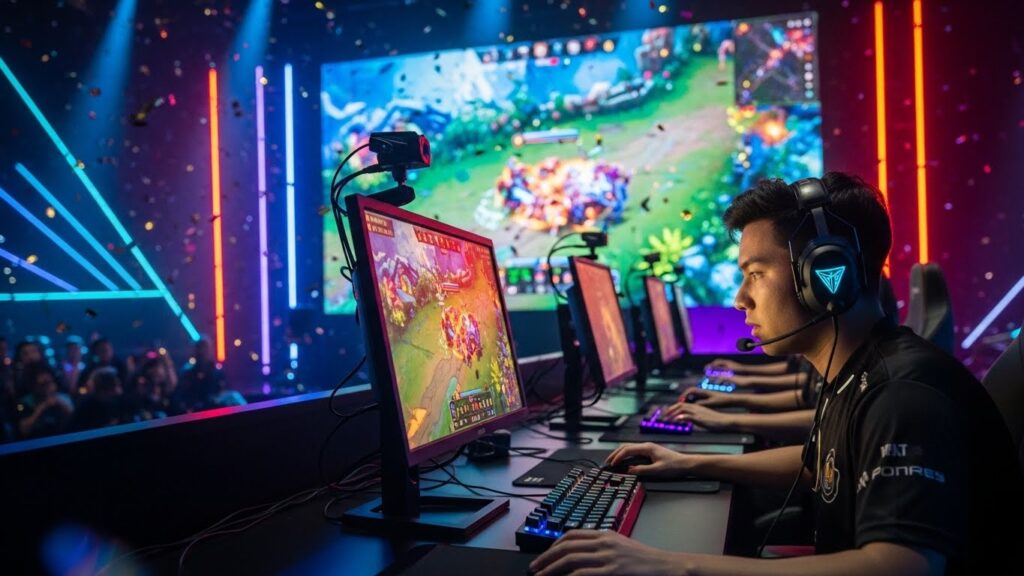
At the heart of esports is a diverse community of players, teams, and organizations. Professional players often dedicate upwards of 10 to 12 hours daily to practice, honing mechanical skills, studying opponents, and building team synergy. Like traditional athletes, they require mental focus, strategic thinking, and physical well-being.
Esports teams are organized entities that sign players, hire coaches and analysts, secure sponsorships, and manage logistics. These organizations resemble traditional sports franchises, often fielding teams in multiple games and maintaining branding and fan engagement efforts.
Supporting personnel such as coaches, nutritionists, psychologists, and strategists are increasingly common in the most competitive teams. This professionalization reflects esports’ maturation into a serious sport requiring holistic athlete care.
The Structure of Esports Competitions
Esports tournaments and leagues vary widely in scale and format, but most share common structures designed to maximize competition and viewer engagement.
Qualifiers:
These initial rounds allow teams and players to earn a spot in major tournaments, ensuring open competition and giving underdogs a chance.
Regular Season Leagues:
Some esports operate leagues with scheduled matches over weeks or months, similar to traditional sports seasons. These build storylines and rivalries while offering consistent content for fans.
Playoffs and Finals:
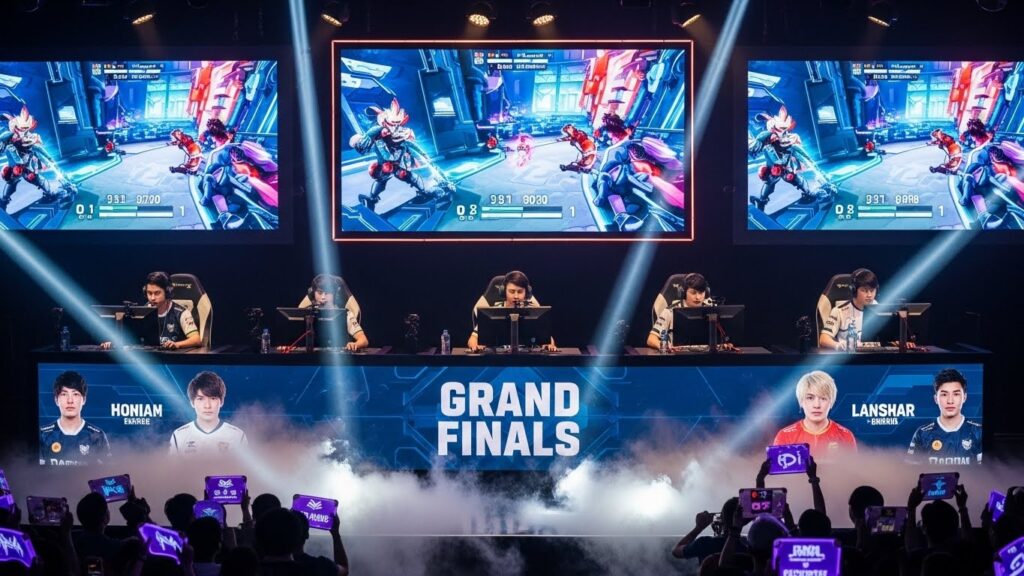
The culmination of seasons or standalone tournaments, these high-stakes matches decide champions and often offer significant prize money.
Showmatches and Invitational Events:
These special events may feature popular players or teams in exhibition matches that emphasize entertainment and fan engagement.
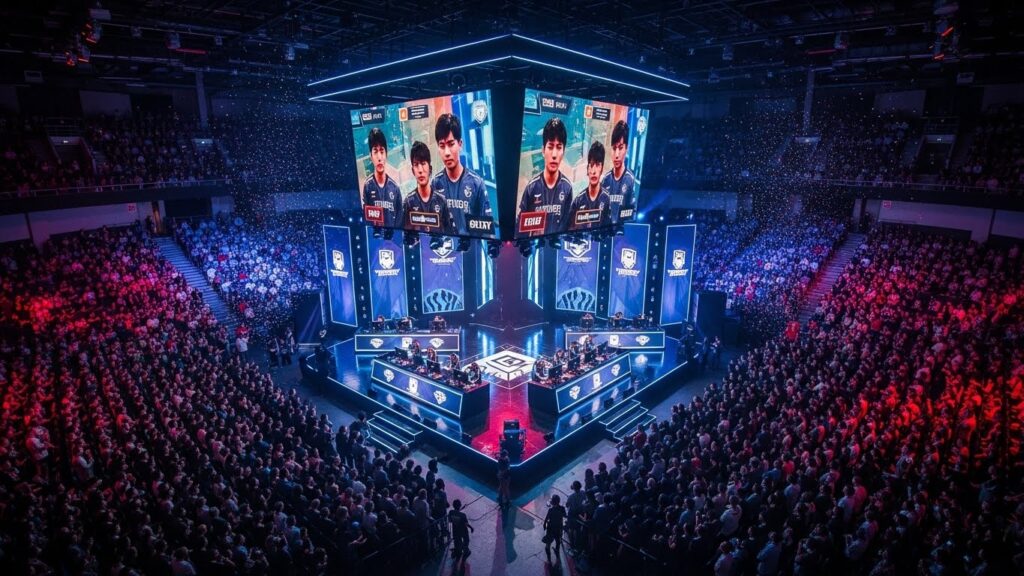
High-profile events such as The International for Dota 2 or the League of Legends World Championship can attract tens of millions of viewers globally, rivaling traditional sports broadcasts.
Spectatorship and Streaming: The Backbone of Esports Popularity
Esports is unique in how it blends playing and viewing experiences. Spectatorship is driven primarily by streaming platforms such as Twitch and YouTube Gaming, which offer live broadcasts with professional commentary, player perspectives, instant replays, and interactive chats.
Viewers not only watch games but engage with commentators and fellow fans in real-time, creating vibrant communities around shared interests. This interactivity has been key in attracting younger generations accustomed to digital social experiences.
Esports broadcasts incorporate high production values, with analysts breaking down strategies, player interviews, and highlight reels enhancing the viewer experience. The accessibility of online streaming means fans worldwide can watch their favorite games without geographic restrictions.
The Business Side of Esports: Revenue Models and Sponsorship
The esports industry has grown into a multi-billion-dollar market with diverse revenue streams:
Sponsorship and Advertising:
Brands see esports as a prime channel to reach young, engaged audiences. Sponsorship deals with teams, tournaments, and streaming personalities form the backbone of esports revenue.
Media Rights:
Leagues and event organizers sell broadcasting rights to streaming platforms, similar to traditional sports TV deals.
Merchandise and Branding:
Teams and players sell branded apparel, digital goods, and collectibles to monetize fan loyalty.
Ticket Sales:
Large esports events held in arenas generate revenue through live attendance.
Digital Content and Subscriptions:
Streaming platforms and esports organizations monetize exclusive content, coaching sessions, or membership perks.
Publisher Support:
Game developers often fund esports initiatives through prize pools or event hosting, aligning competitive success with game longevity.
As esports matures, new monetization models such as fan tokens and blockchain integration are emerging, aiming to deepen fan engagement and diversify income.
Challenges Facing the Esports Industry
While esports’ growth is impressive, the industry faces notable challenges:
Player Health and Burnout:
Intense training regimens and irregular schedules contribute to physical issues like repetitive strain injuries and mental health struggles. Ensuring player welfare is a growing concern.
Integrity and Fair Play:
Cheating, match-fixing, doping, and exploitation pose risks to the sport’s credibility. Robust regulatory frameworks and enforcement are essential.
Sustainability:
Many smaller teams and tournaments struggle financially. Prize pools can be volatile, and sponsorship can be uneven, risking community fragmentation.
Governance and Regulation:
The lack of a unified governing body creates inconsistent rules, contract standards, and dispute resolution, complicating career stability for players.
Market Saturation and Viewer Fatigue:
The proliferation of tournaments risks overwhelming fans, requiring careful scheduling and narrative development to maintain excitement.
Cultural Impact and Social Dimensions of Esports
Esports has reshaped how people connect, compete, and consume entertainment. It offers a global community where diverse individuals come together, crossing cultural, geographic, and language barriers.
The industry provides career opportunities beyond playing, including coaching, production, journalism, and content creation. Many universities now offer scholarships for esports athletes and programs teaching game design, marketing, and event management.
Esports also promotes inclusivity, providing competitive opportunities for individuals regardless of physical ability or background. Online platforms enable marginalized groups to find community and representation.
The Role of Technology in Shaping Esports
Technology drives every facet of esports. High-speed internet enables real-time competition across continents, while streaming tech delivers smooth, high-quality broadcasts.
Data analytics tools help teams analyze strategies, monitor player performance, and scout opponents. Artificial intelligence is increasingly used to develop training tools and assist commentators.
Emerging technologies such as virtual and augmented reality hold promise for transforming both competition and spectatorship, potentially enabling fully immersive experiences.
The Future of Esports: Trends to Watch
The esports industry is dynamic, and several trends are likely to define its future:
Professionalization:
Expect improved player contracts, health programs, and career support systems as the industry matures.
Global Expansion:
Emerging markets in Africa, South America, and Asia will drive audience growth and new talent discovery.
Cross-Industry Collaboration:
Partnerships with traditional sports, entertainment, and media will blur boundaries and create hybrid events.
Immersive Viewing:
Virtual reality and augmented reality could revolutionize how fans experience esports.
Decentralization:
Blockchain technology may introduce new ownership models, enabling fans to participate in governance and monetization.
How to Engage with Esports: For Players, Fans, and Industry Participants
For aspiring players, focus on mastering your chosen game, developing teamwork skills, and maintaining physical and mental health. Building a personal brand through streaming or social media can increase visibility.
Fans can deepen their experience by joining communities, attending events, and supporting teams through merchandise or content creation.
Industry professionals should prioritize ethical standards, invest in high-quality production, and foster grassroots development to ensure esports’ sustainable growth.
Conclusion: Embracing the Digital Frontier of Competition
Esports stands at the intersection of technology, competition, and culture. It has redefined how people engage with games and each other, creating a thriving global ecosystem. The digital arena continues to evolve rapidly, offering endless possibilities for innovation and connection.
As esports matures, balancing growth with player welfare, integrity, and inclusivity will be crucial. Whether you are a player, fan, or industry stakeholder, participating in this revolution is an exciting journey. The future of sports is digital, and esports is leading the charge.