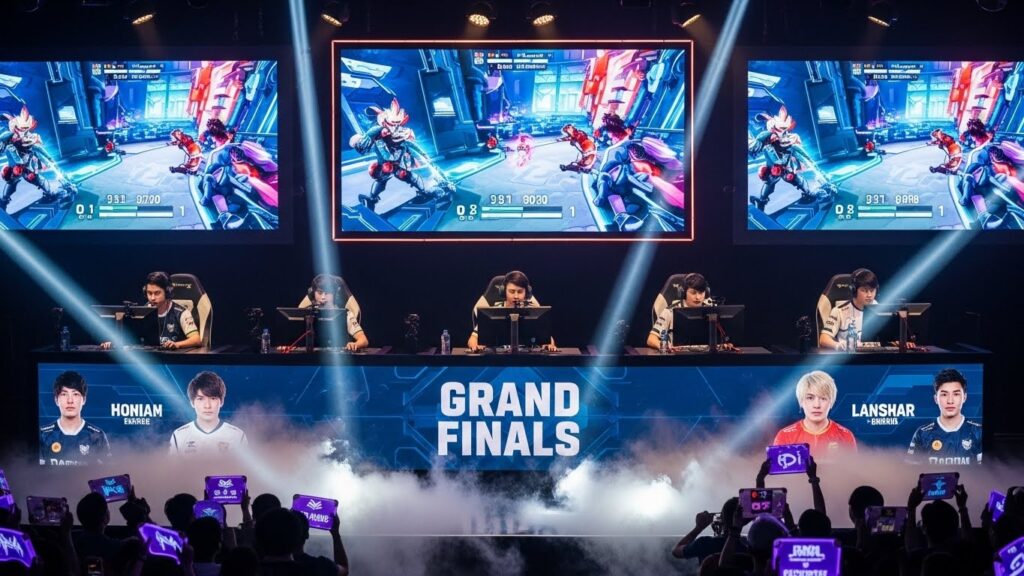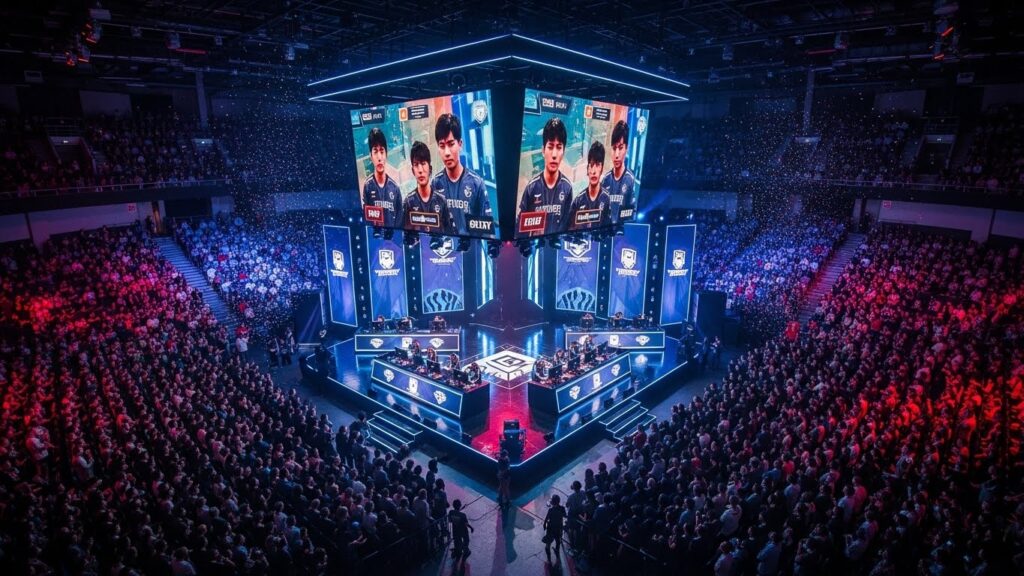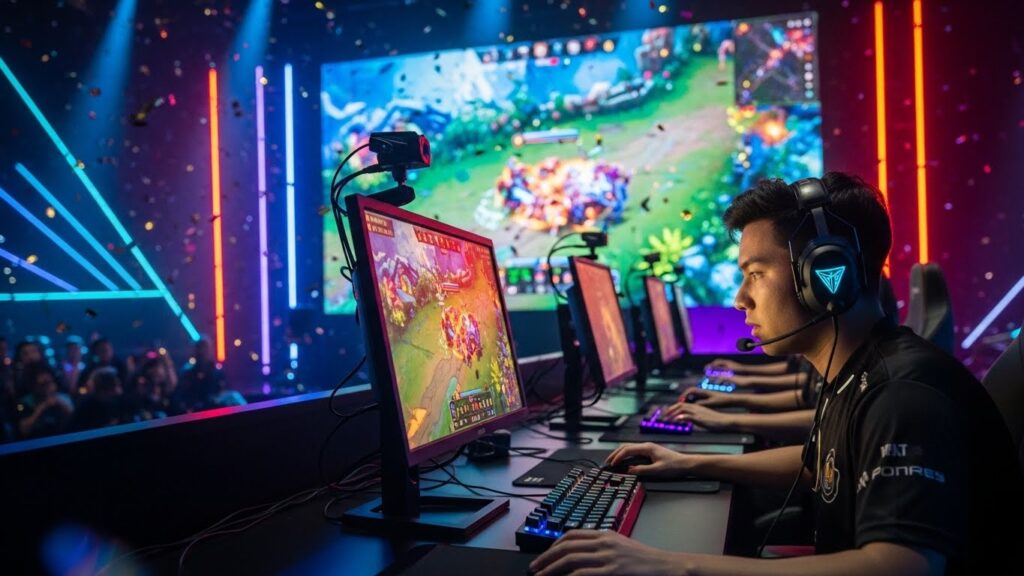
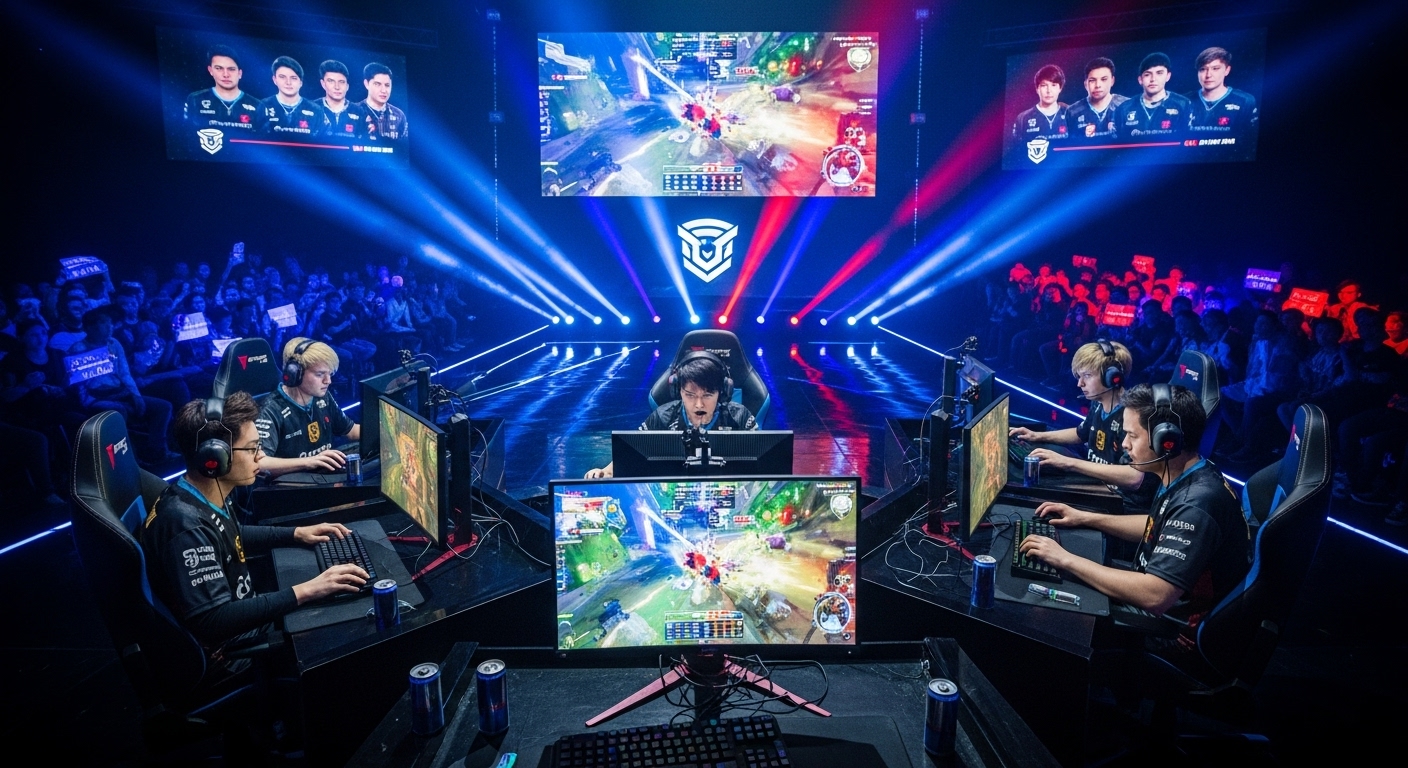
The esports industry has grown from a niche hobby into a global entertainment powerhouse, drawing millions of fans and generating billions of dollars annually. What once began as small-scale tournaments held in internet cafés has transformed into packed arenas, professional leagues, and international competitions streamed to audiences around the world. With this explosion of popularity comes a wide array of career opportunities that extend far beyond just playing games. Esports has become a legitimate and multifaceted industry that requires professionals in numerous roles—from production and marketing to coaching and game design. This article explores the many careers in esports and how the industry is creating opportunities for passionate individuals across various disciplines.
The Expanding World of Esports
Esports, short for electronic sports, refers to organized, competitive video gaming. It encompasses a wide variety of games such as League of Legends, Counter-Strike, Dota 2, Valorant, and Overwatch, among others. Players compete individually or as part of a team in tournaments that are broadcast live to millions of viewers. What makes esports particularly unique is its combination of technology, entertainment, and sport-like competition.
The industry has expanded at a staggering rate. Professional esports organizations now operate similarly to traditional sports teams, complete with management staff, trainers, coaches, marketing departments, and even wellness experts. This growth has opened the door for many people to build sustainable and fulfilling careers within the industry, even if they never become professional players.
The Myth of the Professional Player
When most people think about careers in esports, they often imagine the life of a professional player—someone who competes at the highest level, earns sponsorships, and wins tournaments. While this career path is undoubtedly appealing, it represents only a small portion of the esports ecosystem.
Professional players must dedicate countless hours to practice, strategy development, and team coordination. They often start at a young age and face intense competition to reach the top. Like traditional athletes, they must also manage the physical and mental demands of competition, including stress, burnout, and short career longevity.
However, the esports industry’s growth means there are now many other roles that support these players and the events they participate in. These roles range from behind-the-scenes production to marketing, event organization, broadcasting, and business management.
Esports Management and Team Operations
Just as in traditional sports, esports teams require structured management to succeed. Team managers, operations directors, and player agents ensure that teams function smoothly and efficiently.
A team manager is responsible for coordinating team schedules, arranging travel for tournaments, and handling communication between players, sponsors, and organizations. This role demands excellent organizational skills, communication abilities, and an understanding of esports culture.
Operations managers oversee the logistical aspects of running an esports organization, such as finances, partnerships, merchandise, and event planning. They work closely with sponsors, marketing teams, and esports leagues to ensure the organization remains profitable and sustainable.
Player agents represent professional players, helping them negotiate contracts, secure sponsorships, and build their personal brands. As esports continues to professionalize, the demand for qualified agents and managers with business acumen is rising rapidly.
The Role of Coaches and Analysts
Behind every successful esports team is a strong coaching staff. Coaches are essential in helping players improve their mechanics, strategy, teamwork, and mindset. They analyze game footage, study opponents, and devise training programs to help teams perform at their best.
In addition to coaches, analysts play a crucial role in esports. They use data and statistics to identify patterns in gameplay and provide insights that can lead to strategic advantages. Analysts may track individual player performance, map win rates, or opponent tendencies. This analytical approach mirrors the use of data in traditional sports like football or basketball, where performance metrics influence game plans.
As teams become more data-driven, analysts and performance experts are in high demand. Many of these professionals come from backgrounds in mathematics, data science, or sports psychology.
Event Production and Broadcasting
Esports tournaments are massive productions that require a skilled team to bring them to life. From live broadcasts to online streams, the technical side of esports has become a key component of its success.
Producers and directors handle the overall flow of broadcasts, ensuring that every camera angle, commentary line, and graphic transition happens seamlessly. They coordinate between camera operators, commentators, and technical teams to deliver a smooth viewing experience.
Technical operators manage equipment such as sound systems, lighting, streaming software, and stage visuals. They ensure that matches are not only fair and functional but also visually engaging for the audience.
Commentators and hosts, often called shoutcasters, provide live narration during matches, offering analysis and excitement that enhances the viewing experience. Many commentators become celebrities in their own right, known for their energetic personalities and deep understanding of the games they cover.
The growth of streaming platforms has made broadcasting one of the most accessible areas of esports. Many aspiring commentators and streamers begin by covering amateur tournaments or producing their own content online.
Marketing, Branding, and Public Relations
As esports becomes a mainstream entertainment industry, marketing and branding have become vital components. Teams, tournament organizers, and game publishers all rely on marketing professionals to promote their brands, engage fans, and attract sponsors.
Marketing managers develop strategies to reach audiences through social media, advertising, and community events. They create campaigns that resonate with gaming culture and build loyalty among fans.
Brand managers work to establish the identity of teams and organizations. They handle logo design, merchandise, and partnerships with other companies. In esports, branding is especially important because fans often connect with teams through personality and culture rather than geographic location.
Public relations specialists manage communications between esports organizations, media outlets, and the public. They handle press releases, interviews, and crisis management to maintain a positive image.
These roles require creativity, cultural awareness, and digital marketing expertise. Professionals who understand both marketing principles and gaming communities are especially valuable.
Content Creation and Social Media
Esports thrives on digital content. From match highlights and interviews to behind-the-scenes footage and memes, content creation drives fan engagement and keeps communities active.
Content creators include video editors, graphic designers, writers, and photographers who produce material for social media, YouTube, and other platforms. They help tell the story of a team or player, showcase memorable moments, and keep fans invested between tournaments.
Social media managers maintain a team’s presence across platforms like X (formerly Twitter), Instagram, TikTok, and Twitch. They craft posts that build excitement, engage followers, and promote upcoming events.
In today’s fast-paced digital environment, esports organizations rely heavily on content and social media to stand out. The demand for skilled storytellers and visual creators is higher than ever.
Esports Journalism and Commentary
Just as traditional sports have journalists, esports has a growing number of dedicated writers, analysts, and commentators. Esports journalists cover everything from player interviews and tournament recaps to industry trends and controversies. They write for news outlets, blogs, and magazines, providing insights and fostering discussion within the community.
Commentators and analysts often cross over into journalism, hosting shows, producing podcasts, or writing opinion pieces. Their deep knowledge of specific games makes them trusted voices for fans seeking expert perspectives.
This area of esports is ideal for individuals with strong writing skills, critical thinking, and a passion for storytelling. The best esports journalists not only report facts but also understand the culture and human stories behind competitive gaming.
Game Development and Design
Another major career path connected to esports is game development. Competitive games do not exist without the developers who design and maintain them. Companies like Riot Games, Valve, and Blizzard employ teams of designers, programmers, artists, and testers who ensure their games remain balanced, engaging, and spectator-friendly.
Game designers create the rules and mechanics that shape how games are played, balancing competitive fairness with entertainment value. Developers and programmers build the systems that allow these games to run smoothly and evolve over time.
Many developers also work closely with esports professionals to refine games for competition, adjusting gameplay elements to ensure fair play and viewer enjoyment. This close relationship between developers and esports organizations creates opportunities for collaboration and innovation.
Health, Fitness, and Psychology in Esports
Although esports is a digital competition, it still requires high levels of mental and physical endurance. As the industry matures, teams are investing more in sports psychologists, nutritionists, and fitness trainers to support their players’ well-being.
Sports psychologists help players manage stress, improve focus, and build resilience. They address issues such as performance anxiety, burnout, and teamwork challenges.
Physical trainers design workout routines to prevent repetitive strain injuries and improve overall health. Maintaining good posture, reaction time, and stamina is essential for players who spend hours in front of a screen.
Nutritionists ensure that players maintain balanced diets that enhance concentration and energy levels.
These roles demonstrate that esports is not just about gaming—it’s about optimizing human performance through science and support systems.
Esports Education and Academic Programs
The growing legitimacy of esports has led to its inclusion in educational institutions. Universities around the world now offer esports degrees in management, marketing, production, and game design. Some schools even have varsity esports teams that compete nationally.
Educational careers in esports also include teaching, research, and curriculum development. Professors and researchers study the effects of gaming on learning, teamwork, and technology. This academic attention helps validate esports as a serious field of study and opens the door for careers in education and training.
Entrepreneurship and Startups in Esports
The esports boom has inspired many entrepreneurs to start their own ventures. From launching tournament platforms and gaming cafés to developing training tools and merchandise lines, there are countless opportunities for innovation.
Entrepreneurs in esports often focus on solving problems within the industry, such as improving player management software, creating new streaming technologies, or developing products that enhance the viewer experience.
Starting a business in esports requires a deep understanding of both gaming and market trends. Those who combine business savvy with passion for gaming can carve out unique niches in this competitive space.
The Future of Esports Careers
The future of esports is bright and filled with potential. As technology evolves, new career paths will continue to emerge. Virtual reality, artificial intelligence, and blockchain technologies are already beginning to influence how esports are played, organized, and monetized.
More companies are investing in esports sponsorships and media rights, expanding job opportunities in finance, law, and intellectual property management. The integration of esports with entertainment, music, and fashion further broadens its cultural impact and professional possibilities.
Moreover, remote work and digital collaboration have made esports a global industry that transcends borders. Professionals can now work for international organizations, collaborate online, and participate in events from anywhere in the world.
Conclusion
Esports is far more than just playing games—it’s an entire ecosystem built around competition, creativity, and community. From team management and marketing to coaching, broadcasting, and game design, there are countless ways to build a fulfilling career in this dynamic field.
What makes esports especially exciting is its inclusivity and adaptability. Whether you are a player, artist, programmer, analyst, or storyteller, there’s a place for you in this thriving industry. The only requirement is passion and a willingness to learn.