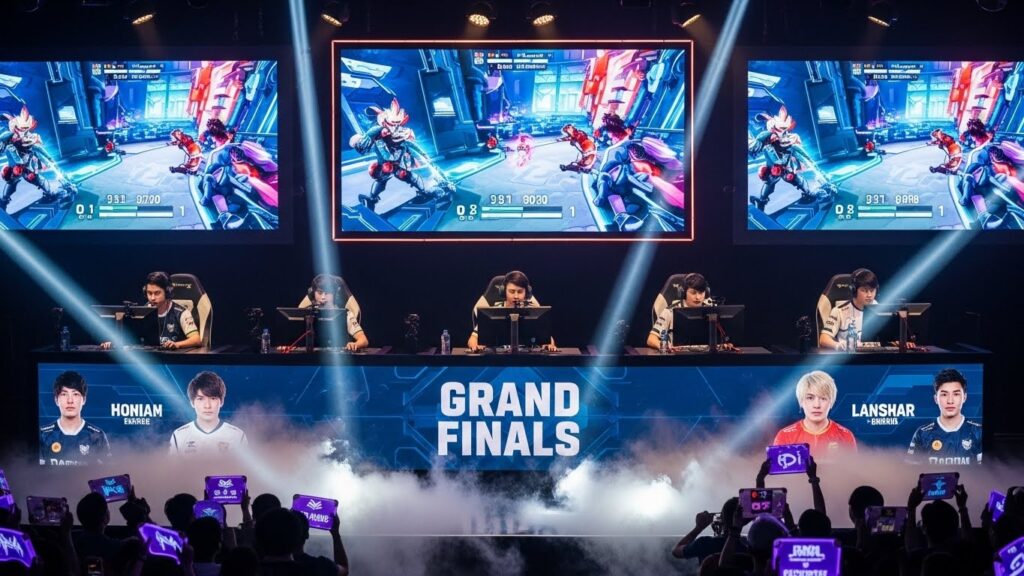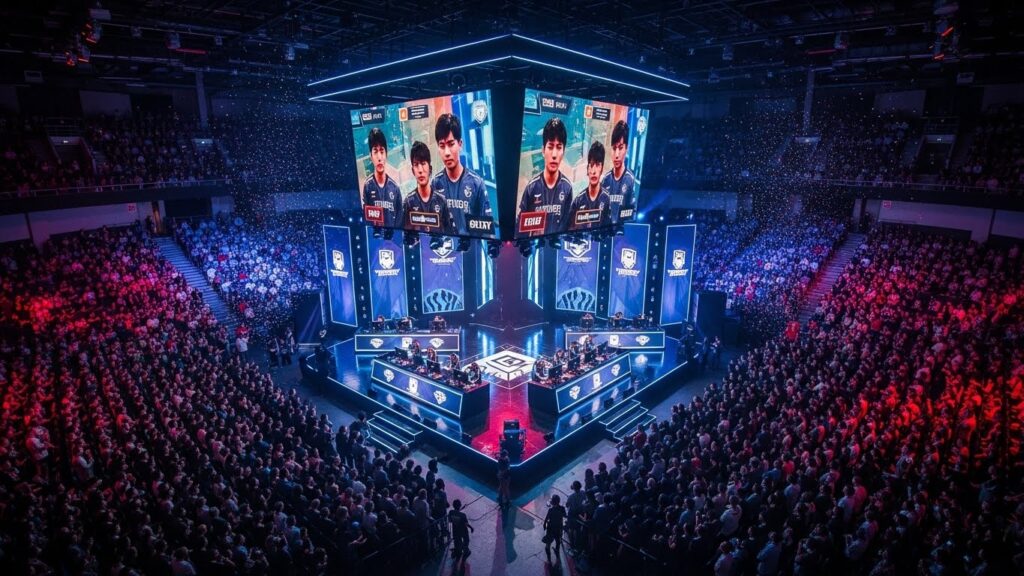
In the high-stakes world of esports, individual skill alone is rarely enough to guarantee victory. While mechanical precision, strategic thinking, and reflexes are vital, one factor consistently separates good teams from great ones: team chemistry. Much like traditional sports, esports thrives on cohesion, trust, and synergy. Teams that communicate effectively, understand each other’s playstyles, and function as a unified unit consistently outperform teams composed of equally skilled but disconnected individuals.
This blog explores how team chemistry determines success in esports, examining its role in performance, communication, strategy, and long-term sustainability.
The Essence of Team Chemistry
Team chemistry refers to the interpersonal dynamics, mutual understanding, and shared goals among team members. In esports, where split-second decisions and coordinated actions are critical, chemistry is both a psychological and strategic advantage.
Strong team chemistry allows players to:
- Anticipate each other’s moves
- Communicate efficiently under pressure
- Adapt strategies dynamically during matches
- Maintain morale and resilience during losses
Without chemistry, even teams with the highest individual talent may falter under stress or fail to execute coordinated strategies.
Communication: The Backbone of Chemistry
Communication is the most visible aspect of team chemistry. In fast-paced games like Valorant, League of Legends, or Counter-Strike, every call, signal, or alert can influence the outcome of a match.
Effective communication depends on:
- Clarity: Players convey concise and accurate information.
- Timing: Messages are delivered instantly without cluttering critical moments.
- Trust: Teammates rely on each other’s calls without hesitation.
Teams with poor communication often suffer from miscoordination, missed opportunities, and tactical errors, regardless of individual skill. Conversely, excellent communication can allow players to make coordinated plays that seem impossible to outsiders.
Understanding Playstyles and Roles
Chemistry is also about understanding each teammate’s strengths, weaknesses, and preferred playstyles. Each player brings unique abilities and tendencies to the team. Successful teams leverage these differences, assigning roles that complement each other.
For example:
- An aggressive player might be paired with a more cautious teammate to balance risk-taking.
- A strategic shot-caller may coordinate with mechanically skilled players to execute complex maneuvers.
When team members understand and respect each other’s styles, they can anticipate movements, adjust strategies mid-game, and maintain consistent performance even in high-pressure situations.
Trust and Accountability
Trust is a core element of team chemistry. Players must believe in each other’s skills and decisions, even during tense or uncertain moments. This trust allows teams to execute bold strategies without hesitation.
Accountability is closely tied to trust. Players who own their mistakes and contribute to solutions reinforce team cohesion. Teams with strong chemistry handle errors constructively rather than devolving into blame or frustration.
A high-trust environment fosters resilience, enabling teams to recover from setbacks, maintain confidence, and perform under pressure—qualities crucial in competitive esports.
Conflict Resolution and Emotional Intelligence
Even the most talented teams encounter conflicts—miscommunication, differing strategies, or personality clashes can arise. Strong team chemistry includes the ability to resolve conflicts efficiently.
Teams with high emotional intelligence:
- Address issues openly and respectfully
- Adapt to teammates’ emotional states
- Maintain focus on collective goals over individual ego
Teams that manage conflict effectively can maintain consistency, morale, and cohesion, even during challenging tournament runs. Poor conflict management, on the other hand, can cause rifts, mistakes, and declining performance.
Practice, Habits, and Rituals
Team chemistry is built over time. Shared practice routines, scrims, and team rituals strengthen bonds and enhance coordination. Regular practice allows players to develop muscle memory not just for individual skills but also for team-oriented strategies.
Rituals such as pre-game huddles, strategy meetings, and post-game reviews contribute to:
- Mutual understanding of tactics
- Alignment on team goals
- Reinforcement of trust and morale
Teams that invest in building these routines often outperform individually skilled teams lacking structured collaboration.
Leadership and Team Dynamics
Effective leadership within a team amplifies chemistry. A strong in-game leader or coach guides communication, resolves conflicts, and ensures everyone understands their role. Leadership creates a sense of stability, allowing players to focus on execution rather than internal disputes.
In addition, leadership helps distribute responsibility evenly. Teams with shared leadership dynamics—where multiple players contribute to strategy and decision-making—often display stronger cohesion and adaptability.
The Role of Adaptability
Esports matches are dynamic, with situations changing rapidly. Teams with strong chemistry can adapt strategies on the fly, anticipate opponents’ moves, and maintain composure under pressure.
Adaptable teams:
- Quickly adjust tactics in response to enemy strategies
- Support teammates during unexpected setbacks
- Exploit coordinated plays that emerge spontaneously
Without chemistry, adaptation is slower and less effective, often leading to missed opportunities and defeats.
Case Studies: Chemistry in Action
1. Team Liquid (League of Legends)
Team Liquid’s success has been attributed to a combination of mechanical skill and exceptional team cohesion. Their ability to synchronize rotations, execute complex strategies, and support each other under pressure showcases chemistry-driven performance.
2. OG (Dota 2)
OG’s multiple International championships demonstrate how chemistry can overcome individually stronger teams. Their teamwork, communication, and trust allowed them to coordinate high-risk plays that led to historic victories.
3. Sentinels (Valorant)
Sentinels’ rise in Valorant tournaments highlighted the importance of understanding roles and player tendencies. Their chemistry enabled rapid adaptation to meta shifts and consistent high-level performance.
Building Team Chemistry
Developing chemistry is an ongoing process that involves:
- Open Communication: Encourage honest, clear dialogue.
- Role Clarity: Assign and respect individual responsibilities.
- Trust-Building Exercises: Include practice drills that require coordination.
- Conflict Resolution: Address disagreements constructively.
- Shared Goals: Align players on long-term objectives.
- Social Bonding: Foster friendships and mutual respect off the game.
Teams that focus on these areas often experience better coordination, higher morale, and improved tournament outcomes.
Conclusion
Team chemistry is the invisible force that transforms skilled players into a cohesive, unstoppable unit. In esports, where every second counts and every decision matters, chemistry affects communication, adaptability, trust, and overall performance. While individual skill lays the foundation, it is team cohesion, mutual understanding, and collective synergy that ultimately determine long-term success.
For aspiring esports teams and organizations, investing in team chemistry is not optional—it’s essential. Teams with strong bonds, clear communication, and shared vision not only perform better but also create a lasting legacy, proving that in esports, the whole is truly greater than the sum of its parts.