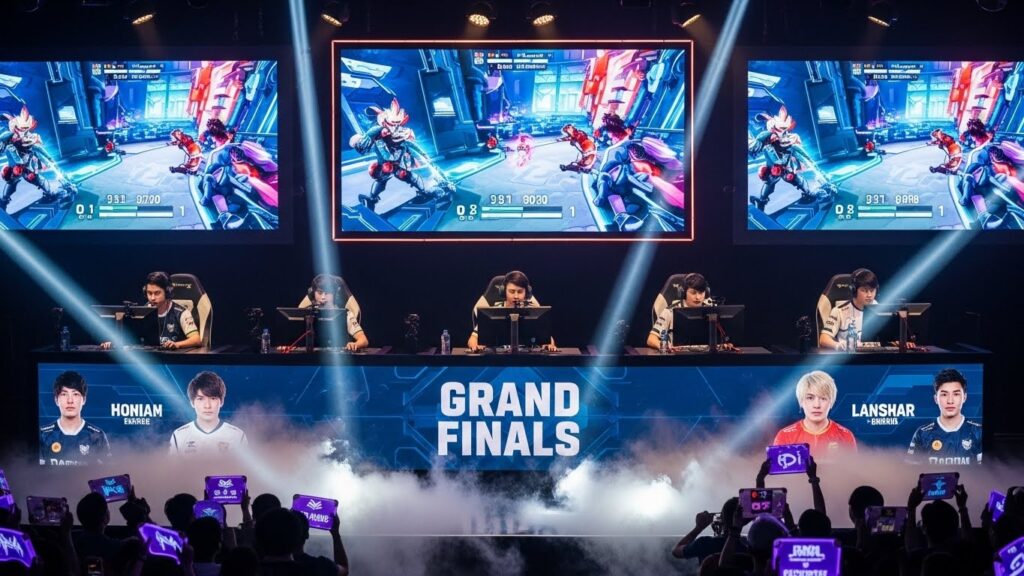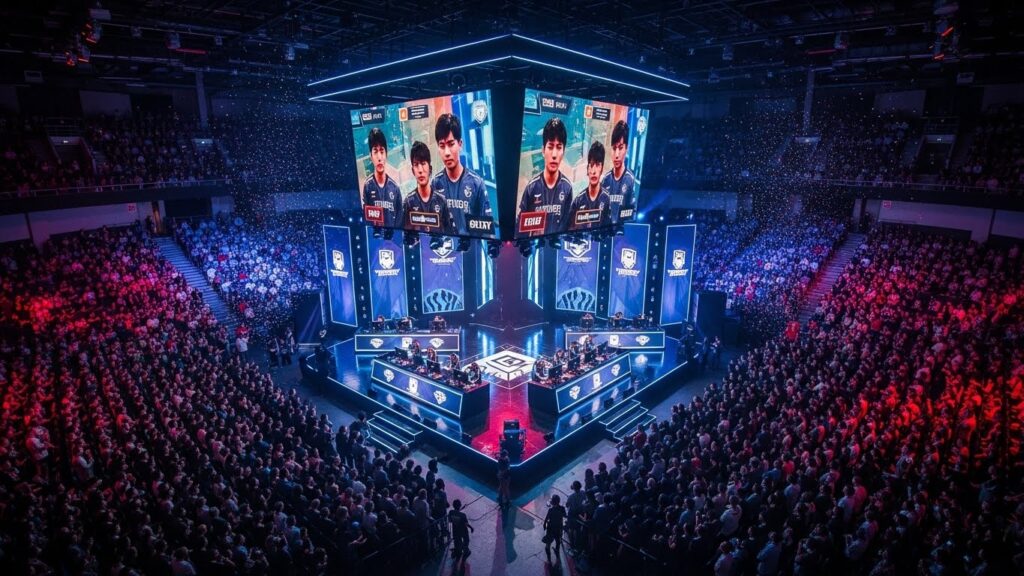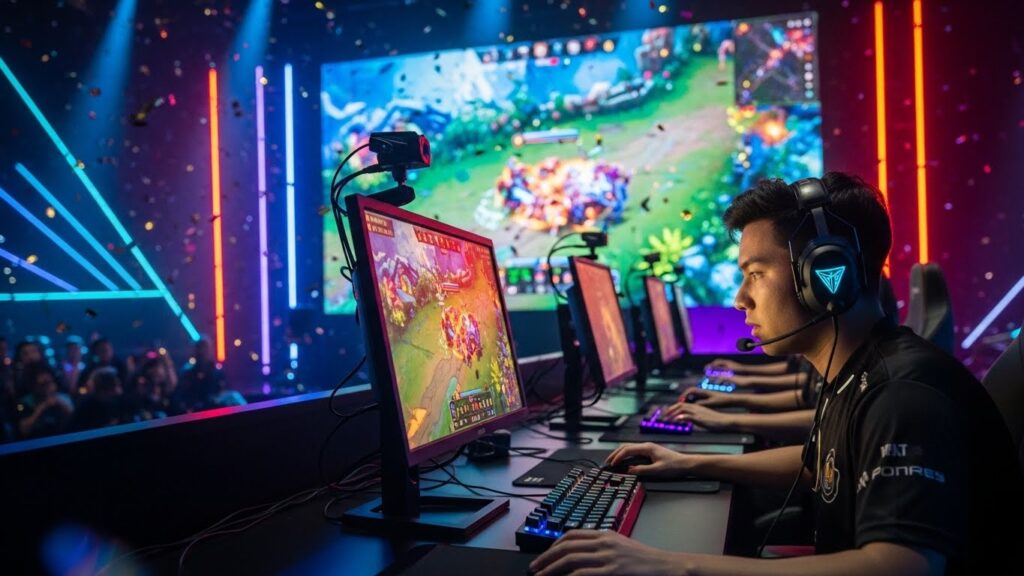
Esports has grown from small community gatherings into a global phenomenon that fills arenas, drives billion-dollar sponsorship deals, and captures the attention of millions of fans worldwide. Yet, with such massive popularity and high stakes, the industry has inevitably faced its fair share of controversy. Just like traditional sports, esports is filled with moments that ignite heated debates, divide communities, and sometimes even reshape the competitive scene altogether. From cheating scandals to rule-breaking, toxic behavior, and corporate decisions, these controversies have left lasting marks on the history of esports.
In this article, we will explore the most controversial moments in esports history, examining what made them so significant and how they influenced the future of competitive gaming.
The Role of Controversy in Esports
Before diving into specific incidents, it is important to understand why controversies emerge in esports. Competitive gaming brings together players, teams, organizers, sponsors, and fans under one umbrella, but their interests do not always align. Players want fair competition, fans demand transparency and drama, sponsors seek profit, and organizers focus on managing events smoothly. With so many stakeholders, conflict becomes inevitable.
Unlike traditional sports that have decades or even centuries of governing institutions to standardize rules, esports titles are owned by publishers who often control the rules and competitive landscape. This ownership structure creates unique scenarios where rule changes, patch updates, or corporate decisions spark major disputes. Add in the fast-paced online culture and global reach, and controversies spread rapidly, sometimes becoming defining moments in esports history.
Match-Fixing Scandals
One of the darkest aspects of esports is match-fixing, where players or teams intentionally lose games in exchange for financial gain or other benefits. These scandals not only damage the integrity of the game but also shatter fans’ trust.
The iBUYPOWER Incident in CS:GO
Perhaps the most infamous example is the iBUYPOWER match-fixing scandal in Counter-Strike: Global Offensive. A North American team, once highly regarded, was found guilty of deliberately losing a match in exchange for betting profits. The scandal shook the competitive CS:GO scene, leading to bans for several players and sparking a debate on how esports should handle corruption. To this day, the incident is remembered as a turning point that highlighted the need for stricter oversight.
StarCraft and Brood War Scandals
In South Korea, StarCraft: Brood War faced its own match-fixing controversies, which shocked fans given the game’s cultural significance in the country. Prominent professional players were implicated in scandals involving illegal betting. These cases deeply tarnished the reputation of StarCraft at the time and reminded the community that even beloved players could fall victim to greed.
Cheating with Hacks and Exploits
Cheating has long plagued esports, with players using hacks, cheats, or exploits to gain unfair advantages. Unlike traditional sports, where performance-enhancing drugs are the issue, in esports the battlefield is digital, and so are the methods of cheating.
The Hiko and Forsaken Cases in CS:GO
A famous controversy emerged when Indian professional player Forsaken was caught using a cheat program during a live tournament. The incident became infamous not only because he was caught red-handed, but also because it happened on stage, in front of officials. The image of him desperately trying to delete the cheat program became symbolic of cheating scandals in esports.
Exploit Abuse in Dota 2 and League of Legends
In games like Dota 2 and League of Legends, teams have occasionally exploited bugs or unintended mechanics. While not always malicious, such cases stir debate over whether the fault lies with the players for using the exploit or with the developers for failing to fix the game. These disputes often lead to patch changes and stricter enforcement of rules during tournaments.
Toxic Behavior and Player Conduct
Competitive gaming thrives on passion, but sometimes that passion spills into toxicity. Trash talk, poor sportsmanship, and even offensive comments have often landed professional players in hot water.
The xQc Ban in Overwatch League
Felix “xQc” Lengyel, once a professional Overwatch player, became notorious for controversial behavior both in-game and on social media. His repeated suspensions and eventual departure from the Overwatch League highlighted the challenges of balancing player individuality with professionalism. While many fans loved his personality, his actions also forced esports leagues to set clearer boundaries on acceptable behavior.
Racism and Offensive Comments
There have been multiple incidents where professional players made racist or offensive remarks during streams or tournaments. Such controversies not only harm the individuals involved but also impact their teams and sponsors. In some cases, careers were permanently damaged, showing the growing importance of professionalism in esports.
Rule Changes and Publisher Interventions
One of the most controversial aspects of esports is how game publishers control the competitive environment. Unlike sports such as football or basketball, where no single company owns the game, esports titles are entirely in the hands of developers. This can lead to controversial interventions.
Riot Games and Competitive Patches
League of Legends has faced criticism when Riot Games introduced significant gameplay changes or new champions just before major tournaments. Teams and fans have often complained that such timing disrupts competitive balance. While Riot argues that updates keep the game fresh, many view these decisions as unfair to players who have trained for months on previous patches.
Blizzard’s Overwatch League Decisions
Blizzard’s management of the Overwatch League sparked controversy on multiple occasions, particularly with rule changes, hero bans, and league format shifts. Some fans felt that the developer’s decisions were motivated more by business interests than the integrity of competition.
Gender Discrimination and Inclusivity Issues
Esports, like many industries, has faced challenges regarding inclusivity. Female players and marginalized groups often encounter discrimination, harassment, and systemic barriers. These controversies have sparked debates about diversity and fairness in esports.
The Lack of Female Representation
One of the most consistent criticisms of esports is the lack of female players at the highest competitive levels. When all-female teams do participate, they often face dismissive attitudes or additional scrutiny. These controversies highlight deeper issues within gaming culture, including gatekeeping and sexism.
Harassment and Scandals Involving Players
Several professional players and even coaches have been accused of harassment or inappropriate behavior toward women in the community. These incidents often lead to suspensions or bans, but they also fuel broader conversations about creating safer spaces within esports.
Sponsorship and Business Controversies
Behind the scenes, the business of esports is just as intense as the games themselves. Sponsorship deals, partnerships, and organizational decisions have often sparked major controversies.
Gambling and Loot Box Sponsorships
At one point, esports teams and influencers heavily promoted gambling and skin-betting websites, especially in games like CS:GO. This created ethical concerns, particularly since many fans of esports are underage. The backlash eventually led to stricter rules and lawsuits, but the controversy damaged trust in the industry.
Corporate Influence on Leagues
As large corporations entered esports, concerns grew about whether grassroots players and smaller teams were being pushed aside. Franchised leagues, such as those in Call of Duty and Overwatch, faced criticism for high buy-in costs that excluded smaller organizations, leading to debates about accessibility versus professionalism.
Regional Rivalries and National Tensions
Esports is a global phenomenon, and with international competition comes regional pride and sometimes political controversy.
Korea vs. The World in League of Legends
For years, South Korea dominated League of Legends, and debates about fairness, infrastructure, and cultural advantages became central to the narrative. Some controversies emerged when players switched national teams or when accusations of region bias were leveled at tournament organizers.
China and Censorship Issues
Certain esports organizations have faced criticism for adhering to strict censorship requirements in China. In some cases, players were penalized for making political statements. These incidents highlight the tension between free expression and the business realities of operating in global markets.
Prize Pool Disputes and Player Compensation
Another recurring source of controversy is money. Esports prize pools can reach tens of millions of dollars, but disputes often arise over distribution and fairness.
The International in Dota 2
Valve’s Dota 2 tournament, The International, is famous for its massive prize pools, crowdfunded by fans. While the sheer size of the pool is celebrated, controversies have arisen over how much actually goes to players compared to organizations and publishers. Transparency has been a major issue.
Player Salary Issues
In other cases, professional players have accused their organizations of failing to pay salaries on time or withholding prize money. These disputes reveal the challenges of regulating an industry still finding its footing compared to traditional sports.
Performance Enhancement in Esports
While esports players do not use steroids to gain a physical edge, there have been controversies surrounding performance-enhancing substances, particularly stimulants.
The Adderall Debate
Several professional players admitted to using Adderall, a prescription medication for ADHD, to improve focus and reaction times during competitions. This sparked debates about whether such substances should be banned in esports. Eventually, some leagues introduced drug testing policies, though enforcement remains inconsistent.
Conclusion: Lessons from Controversy
The most controversial moments in esports serve as reminders that competitive gaming is still evolving. While scandals and disputes often bring negativity, they also push the industry toward greater maturity. Each controversy forces organizers, players, and publishers to confront issues of fairness, integrity, inclusivity, and professionalism.
Esports has come a long way from its early days, but as the industry grows larger, the stakes only become higher. The lessons learned from past controversies will play a crucial role in shaping a future where esports can be both entertaining and trustworthy. Fans may love the drama, but at the end of the day, the goal is to create a fair and competitive environment that celebrates the incredible talents of players worldwide.
Word count: ~2050
Would you like me to make this even more detailed with real-world case studies for each controversy, so it feels more like a deep-dive historical piece instead of just analysis?
ChatGPT can make mistakes