Introduction: The Rise of a Digital Arena
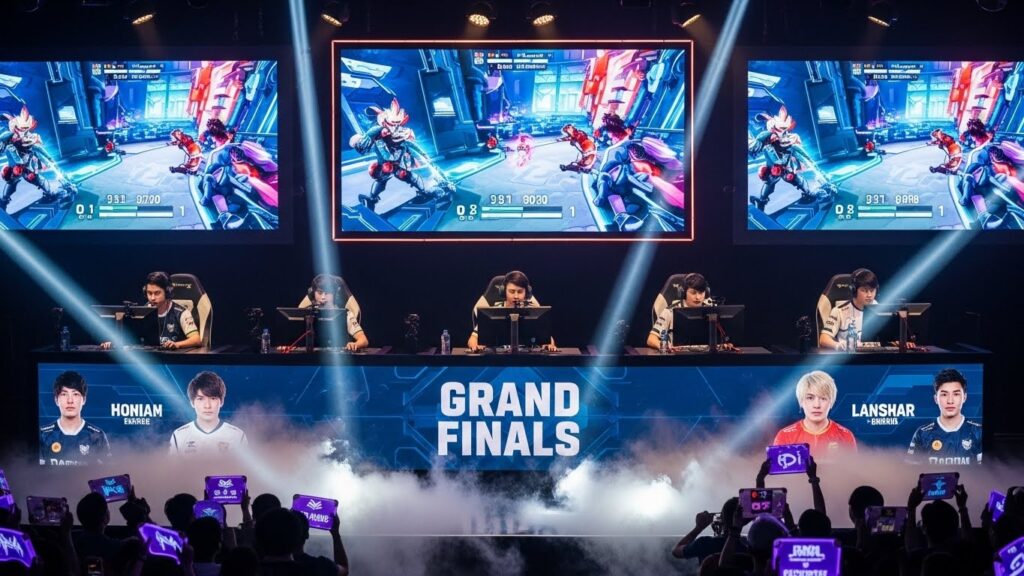
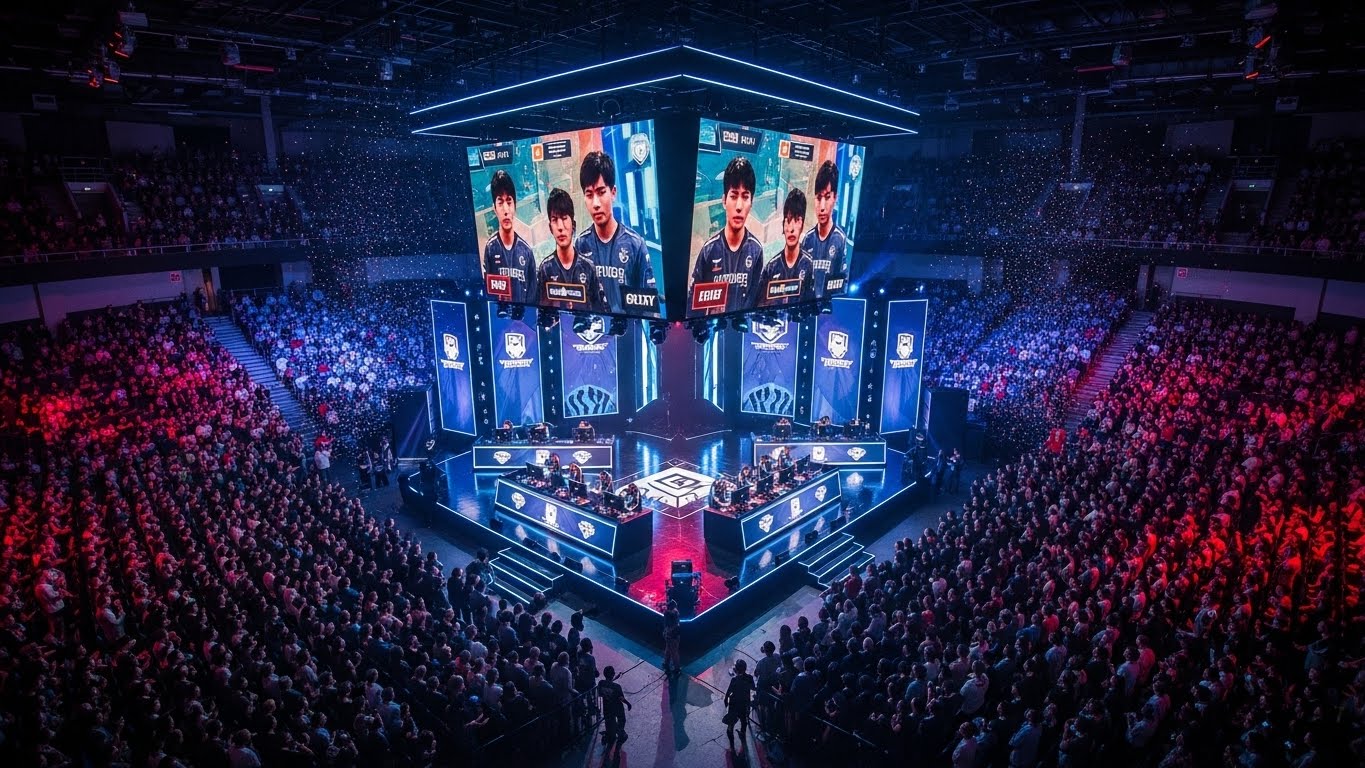
Esports has evolved from a niche hobby enjoyed by small gaming communities into a global phenomenon that rivals traditional sports in viewership, revenue, and cultural impact. What once took place in internet cafés and bedrooms is now hosted in sold-out arenas, streamed to millions of fans worldwide, and supported by billion-dollar investments. Esports is no longer just about playing video games; it is about competition, storytelling, teamwork, innovation, and opportunity. This blog explores the journey of esports, its ecosystem, cultural influence, economic power, and what the future holds for this rapidly expanding industry.
Understanding Esports: More Than Just Gaming
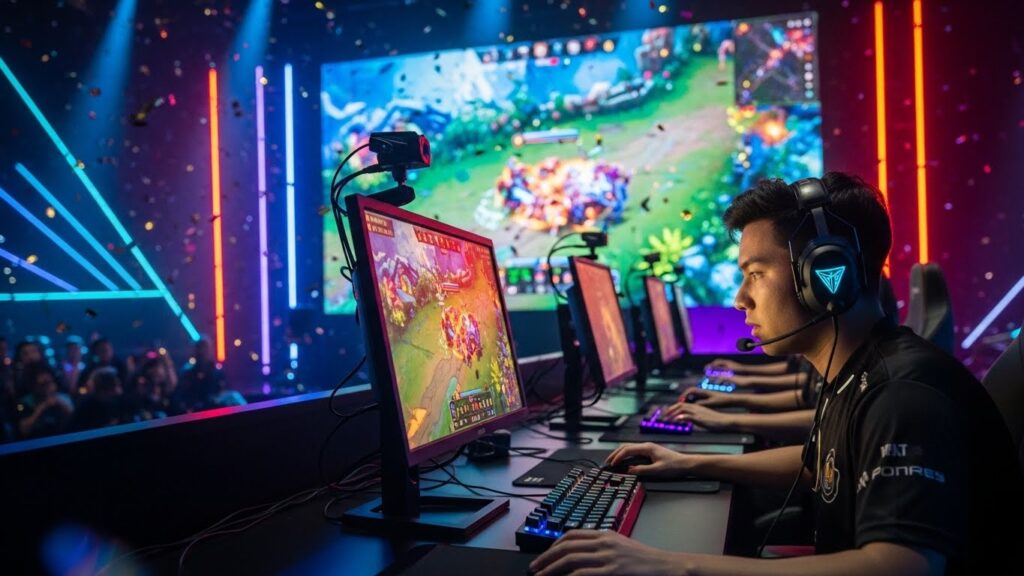
Esports, short for electronic sports, refers to organized, competitive video gaming where individuals or teams compete at a professional level. Unlike casual gaming, esports requires rigorous practice, strategic thinking, and exceptional coordination. Players train for hours each day, analyze opponents, refine strategies, and work with coaches and analysts, much like athletes in traditional sports.
What sets esports apart is its digital nature. The playing field exists within a virtual environment, but the skills required are very real. Reaction time, decision-making under pressure, communication, adaptability, and mental endurance are critical to success. Esports is not limited by physical boundaries, allowing players from different countries and cultures to compete on equal footing.
The Evolution of Esports Through the Years
The roots of esports can be traced back to the early days of arcade competitions and local multiplayer tournaments. As internet connectivity improved, online gaming enabled players to compete across regions, giving rise to organized leagues and global tournaments. Over time, prize pools grew, sponsorships increased, and professional teams formed with structured management.
Streaming platforms played a crucial role in accelerating esports growth. Fans could watch live matches, follow their favorite players, and engage with communities in real time. This accessibility transformed esports into a spectator sport, creating stars, rivalries, and iconic moments that defined generations of players and fans.
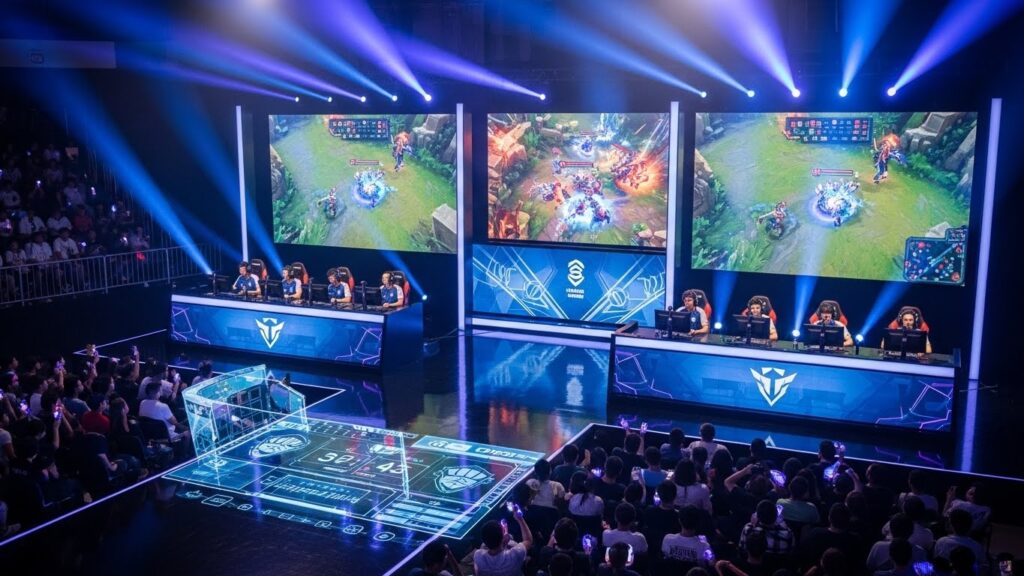
Today, esports events feature high-quality production, expert commentary, and storytelling that mirrors traditional sports broadcasts. The industry continues to evolve with new games, formats, and technologies shaping how competitions are played and viewed.
The Esports Ecosystem: Roles Beyond the Players
While professional players are the most visible figures in esports, the industry thrives because of a diverse ecosystem of roles. Coaches develop strategies and guide players’ performance. Analysts study gameplay data to identify strengths and weaknesses. Team managers handle logistics, contracts, and branding. Event organizers plan tournaments, while broadcasters and commentators bring matches to life for audiences.
Behind the scenes, game developers play a significant role by maintaining competitive balance and supporting esports initiatives. Marketing professionals, content creators, graphic designers, and social media managers help build team identities and fan engagement. This ecosystem demonstrates that esports offers career opportunities far beyond playing professionally.
Esports and Youth Culture
Esports has become deeply embedded in modern youth culture. For many young people, gaming is not just entertainment but a social space where friendships are formed and identities are expressed. Esports heroes inspire fans in the same way traditional athletes do, influencing fashion, language, and lifestyle.
The interactive nature of esports strengthens this connection. Fans can communicate directly with players through live chats, social media, and community events. This sense of accessibility and belonging is a defining characteristic of esports culture. It empowers fans to feel like active participants rather than passive spectators.
However, this influence also brings responsibility. Discussions around healthy gaming habits, mental well-being, and digital balance are increasingly important as esports becomes more prominent in young lives.
The Business of Esports
Esports is a powerful economic engine. Revenue streams include sponsorships, advertising, media rights, merchandise, ticket sales, and in-game purchases. Major brands from technology, apparel, food, and finance have entered the esports space, recognizing its ability to reach a digitally savvy audience.
Professional teams operate like businesses, focusing on brand building, fan loyalty, and long-term sustainability. Cities and countries invest in esports infrastructure to attract events and boost tourism. Educational institutions offer scholarships and programs related to esports management and game design, further legitimizing the industry.
Despite its growth, esports faces financial challenges. Profitability remains a concern for some organizations, highlighting the need for sustainable business models and strategic planning.
Esports as a Career Path
For aspiring players, esports offers the dream of turning passion into profession. However, the path to success is highly competitive. Only a small percentage of players reach the top tier, and careers can be short due to intense pressure and rapid game evolution.
Recognizing this, many professionals plan for life beyond competition. Streaming, coaching, content creation, and entrepreneurship provide alternative avenues within the esports world. Education and skill development are increasingly emphasized to ensure long-term stability.
Esports also opens doors for non-players who love gaming and competition. Careers in production, journalism, psychology, data analysis, and marketing demonstrate the industry’s broad appeal.
Technology and Innovation in Esports
Technology is at the heart of esports innovation. Advances in hardware improve performance and accessibility, while software developments enhance matchmaking, analytics, and broadcast quality. Virtual reality and augmented reality experiments hint at new ways to experience competition.
Data analytics is transforming how teams prepare and compete. Detailed performance metrics help refine strategies and optimize training. Artificial intelligence tools assist in scouting talent and predicting outcomes. These innovations not only elevate competition but also attract tech enthusiasts and investors.
As technology continues to evolve, esports is positioned to remain at the forefront of digital entertainment.
Challenges Facing the Esports Industry
Despite its success, esports faces several challenges. Player burnout is a growing concern, driven by intense schedules and constant performance pressure. Mental health support and balanced training routines are essential to address this issue.
Regulation and governance also present difficulties. Esports lacks a unified global authority, leading to inconsistencies in rules, contracts, and player protections. Efforts to establish standards are ongoing but complex due to the industry’s diversity.
Additionally, inclusivity and diversity remain important topics. Expanding opportunities for underrepresented groups and fostering respectful communities are crucial for sustainable growth.
The Future of Esports
The future of esports is filled with potential. As technology advances and global connectivity improves, new audiences will emerge. Esports may integrate more closely with traditional sports, education, and entertainment, blurring boundaries between physical and digital competition.
Grassroots initiatives and local leagues will play a vital role in nurturing talent and building communities. Continued focus on player welfare, ethical practices, and sustainable business models will shape the industry’s long-term success.
Esports is not a passing trend but a reflection of how competition and culture evolve in a digital world.
Conclusion: A New Era of Competition
Esports represents a shift in how we define sports, entertainment, and community. It combines technology, creativity, and human skill in ways that resonate with a new generation. From packed arenas to online streams, from professional teams to passionate fans, esports has built a vibrant and influential ecosystem.
As it continues to grow, esports challenges traditional notions of competition and opens doors to innovation and opportunity. Whether as a player, fan, or professional, engaging with esports means being part of a dynamic movement that is reshaping the future of global entertainment.