Esports, a term once reserved for a niche group of passionate gamers, has transformed into a multi-billion-dollar industry that attracts millions of viewers, players, and investors worldwide. As the digital age continues to evolve, esports has carved a permanent niche in the entertainment sector, drawing attention from not only avid gamers but also major global brands, mainstream media outlets, and even educational institutions. This blog post explores the meteoric rise of esports, its impact on global entertainment, and what the future holds for this growing industry.
What is Esports?
At its core, esports is competitive gaming. However, this simple description only scratches the surface of a booming global phenomenon. Esports refers to organized, multiplayer video game competitions, particularly between professional players, individually or as teams. While traditional sports are based on physical prowess, esports focuses on strategic thinking, teamwork, and reflexes within a virtual environment.
The games themselves span various genres, including real-time strategy (RTS), first-person shooters (FPS), multiplayer online battle arenas (MOBAs), and sports simulation games. Some of the most popular esports games today include League of Legends, Dota 2, Counter-Strike: Global Offensive, Overwatch, and Fortnite.
The Origins and Evolution of Esports
While competitive gaming can be traced back to the early days of video games in the 1970s, esports as we know it today began to take shape in the late 1990s and early 2000s. The first true esports tournament, the Red Annihilation in 1997, involved over 2,000 players competing in Quake. However, it wasn’t until the advent of the internet and high-speed broadband connections that competitive gaming could truly evolve.
By the mid-2000s, countries like South Korea and China became the epicenters of esports, with leagues, tournaments, and professional teams gaining widespread attention. South Korea, in particular, played a pivotal role in popularizing esports. The country’s national obsession with StarCraft led to the creation of broadcasting channels dedicated to esports events and tournaments, making esports a household term in the region.
The 2010s saw esports reach new heights with the creation of larger tournaments, sponsorship deals, and the rise of streaming platforms like Twitch. As the industry expanded globally, it caught the attention of major brands, who saw the potential to engage with a younger, tech-savvy audience.
The Global Impact of Esports
Esports as a Mainstream Entertainment
Once viewed as a niche hobby, esports has now firmly embedded itself into mainstream entertainment. Major broadcasters, such as ESPN and Turner Sports, began airing esports competitions alongside traditional sports. In 2019, the League of Legends World Championship attracted more viewers than the NBA Finals, a testament to the growing appeal of esports.
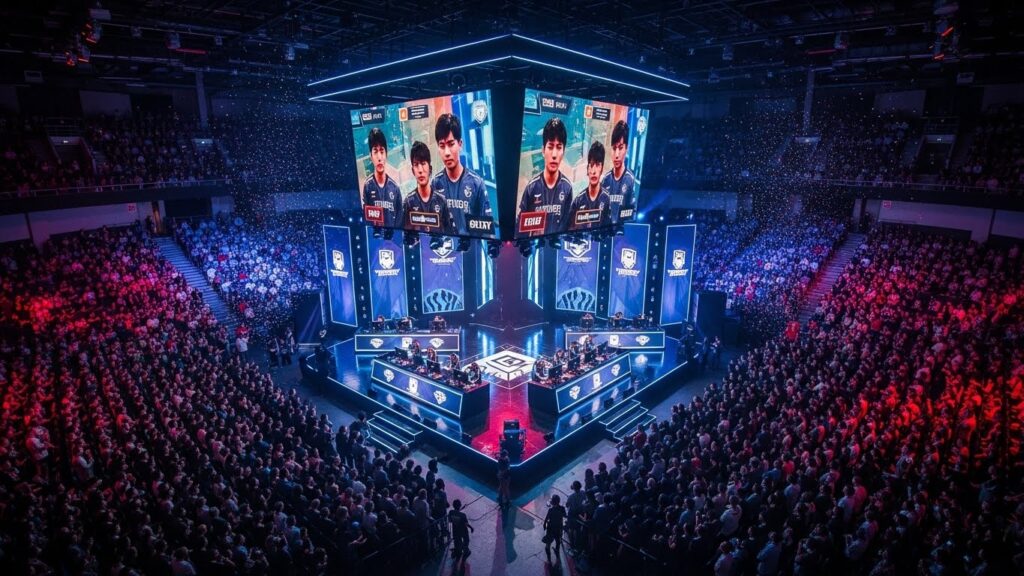
Esports’ popularity continues to surge globally, with regions like North America, Europe, and Southeast Asia embracing the phenomenon. Esports arenas and stadiums now host live tournaments that fill stadiums with thousands of fans, while millions more watch remotely through live-streaming services like Twitch and YouTube Gaming.
Esports and Traditional Sports: An Unlikely Partnership
Esports has also forged strong connections with traditional sports. Several professional sports teams now have their own esports divisions or sponsor esports organizations, understanding that the digital space offers a unique way to engage younger audiences.
For instance, the NBA has its own esports league called the NBA 2K League, which features players competing in the NBA 2K basketball video game. Football clubs like Paris Saint-Germain and Manchester City have also entered the esports arena by signing professional gamers to represent their teams in various gaming competitions.
This partnership has led to the creation of cross-industry events, sponsorships, and even esports-focused broadcasting. Traditional sports media outlets have begun investing in esports coverage, seeing it as an important part of the future sports ecosystem.
The Business of Esports
Sponsorship and Advertising
The growing popularity of esports has opened the door for significant commercial opportunities. Sponsorship deals and advertising revenue now make up a substantial portion of the esports industry’s income. Major brands like Coca-Cola, Intel, and Nike have made significant investments in esports, sponsoring tournaments, teams, and individual players.
Moreover, the rise of streaming platforms like Twitch has provided advertisers with a new way to reach consumers. Live-streaming events allow for real-time interaction, and esports fans are among the most engaged audiences on the planet. This interaction provides brands with a valuable platform to build relationships with consumers in a way that traditional advertising cannot match.
Prize Pools and Earnings
Professional esports players can earn substantial amounts of money through tournament prize pools, sponsorships, streaming, and merchandise sales. The International, an annual Dota 2 tournament, has broken records for the largest prize pool in esports history, with the 2018 event boasting a prize pool of over $25 million. Other games like League of Legends and Counter-Strike: Global Offensive offer similar rewards for top-tier players.
In addition to prize money, professional gamers also earn revenue through their personal brand. Many top players have lucrative endorsement deals and sponsorships, which further boost their income. Popular esports streamers on platforms like Twitch and YouTube can also generate significant earnings through ad revenue, donations, and subscriptions.
The Infrastructure of Esports
Esports Leagues and Tournaments
Esports is organized through leagues and tournaments, similar to traditional sports. These events can range from regional competitions to global championships. Some of the most prestigious tournaments include:
- League of Legends World Championship (LoL)
- The International (Dota 2)
- ESL One (CS:GO)
- Overwatch League (OWL)
- Fortnite World Cup
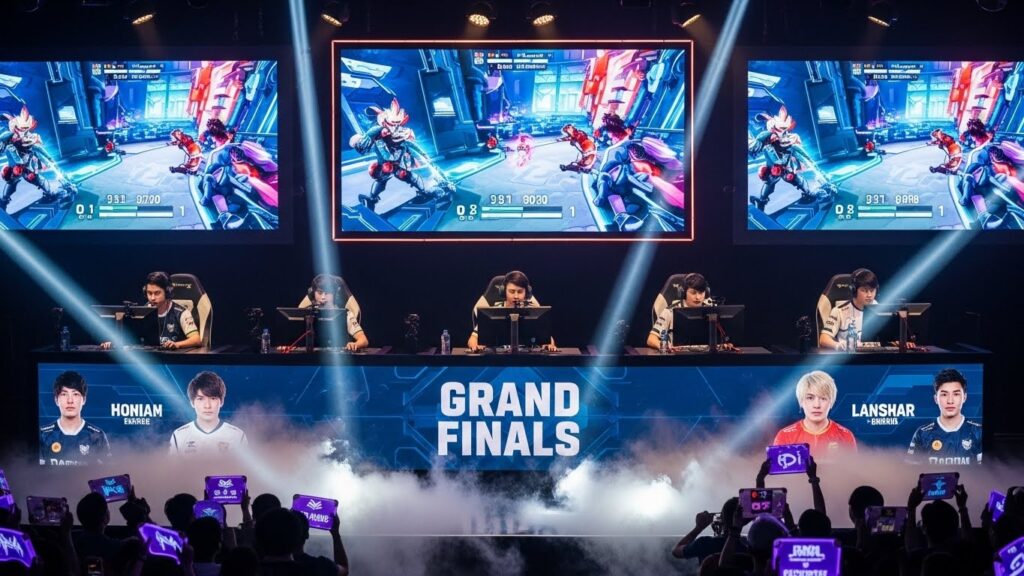
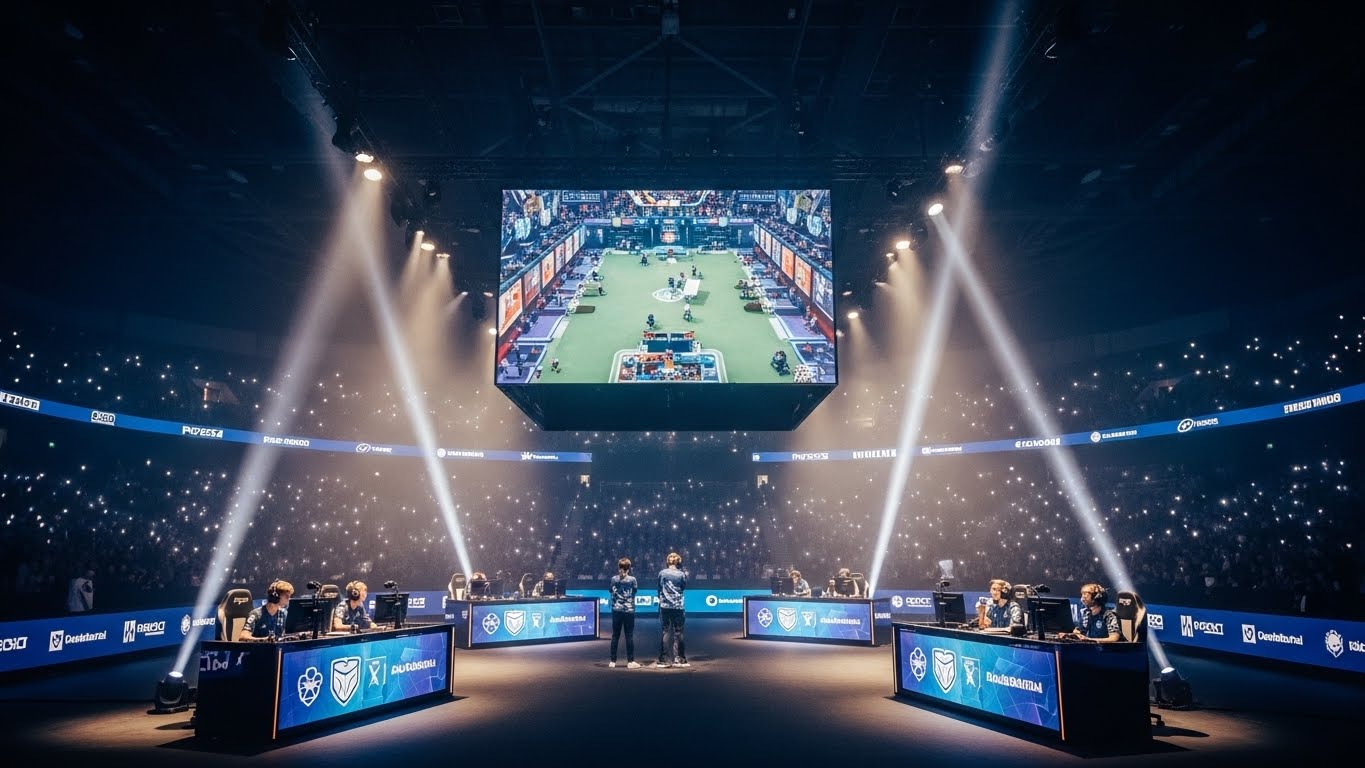
These tournaments feature high-stakes competition and often draw large audiences both online and in person. Some esports tournaments even rival the scale and production value of traditional sports events, with elaborate stage setups, live commentary, and real-time analytics.
Esports Teams and Players
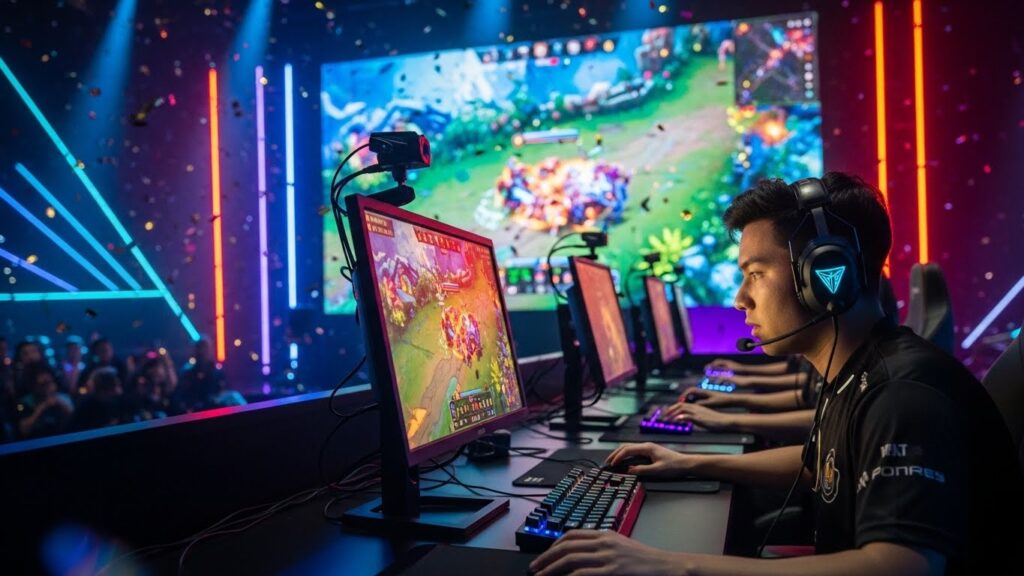
Professional esports players are often part of organizations or teams that support them in various aspects of their career. These organizations provide players with training, coaching, sponsorships, and financial backing. Teams are often made up of highly skilled individuals who specialize in different aspects of gameplay, from strategy to mechanics.
The growth of esports teams has created an entire ecosystem, with coaches, analysts, psychologists, and managers working behind the scenes to ensure the success of players. Much like traditional sports, esports players undergo rigorous training schedules, study gameplay footage, and participate in team-building exercises to stay at the top of their game.
Esports and Education
The Rise of Esports Scholarships
As the demand for professional gamers increases, so does the need for education within the esports space. Universities around the world have begun to offer esports programs and scholarships, providing aspiring players with an opportunity to hone their skills while pursuing a degree.
In the United States, several colleges have started to build esports arenas and fields, offering esports scholarships to attract talented players. These programs provide a pathway for students to develop their gaming careers while gaining valuable education and experience.
Esports as a Career Path
Esports has created new career opportunities for individuals beyond just being players. Roles in game development, event management, marketing, broadcasting, and journalism are all integral parts of the esports ecosystem. As esports continues to grow, so does the need for skilled professionals in various sectors.
Mental Health and Well-being in Esports
As the esports industry matures, mental health has become an increasingly important topic of discussion. The pressures of being a professional player, coupled with long hours of practice, can take a toll on an individual’s well-being.
Esports organizations are beginning to address these concerns by providing mental health resources, counseling, and wellness programs for players. The need to prioritize mental health in esports is becoming more widely recognized, as maintaining balance is crucial for long-term success.
The Future of Esports
As we look toward the future, esports is expected to continue its trajectory of growth and innovation. With the increasing popularity of virtual reality (VR) and augmented reality (AR), new gaming experiences could further elevate esports to new heights. Additionally, the integration of esports into the global sports entertainment ecosystem may create new opportunities for collaboration and expansion.
The ongoing development of esports infrastructure, improved broadcasting technologies, and the growth of mobile esports will help to expand the reach of competitive gaming, making it even more accessible to audiences worldwide.
In conclusion, esports is not just a passing trend—it is a transformative force in the world of entertainment. What started as a niche hobby has now blossomed into a global industry that continues to break records and redefine how we view competition. The future of esports is bright, and it promises to bring even more exciting opportunities for players, fans, and industry stakeholders alike. As the world becomes more digitally connected, esports will continue to be a beacon of innovation and competition for generations to come.