Introduction: A New Era of Competition
Over the past decade, the world has witnessed a remarkable shift in how people consume entertainment and engage with competitive activities. Esports, once considered a niche hobby reserved for a small group of gaming enthusiasts, has transformed into a global powerhouse. With millions of dedicated fans, professional athletes, corporate sponsors, and massive prize pools, esports has earned its place among mainstream sports. This emerging industry is not only reshaping the gaming landscape but also redefining the nature of competition, teamwork, and digital culture. In this blog, we will dive deep into the rise of esports, its cultural impact, the careers it has created, and what the future holds for this ever-growing digital phenomenon.
The Evolution of Competitive Gaming
Competitive gaming did not emerge overnight. In the early days, games were primarily played casually, either in local arcades or on home consoles. The earliest signs of organized gaming competitions date back to the 1980s and 1990s, when small tournaments rewarded players with trophies or modest prizes. However, as technology advanced and high-speed internet became more accessible, gaming evolved into a connected and interactive activity. Players could now compete with others around the world in real time, opening the door for structured tournaments and professional leagues.
By the early 2000s, multiplayer titles such as first-person shooters, real-time strategy games, and online role-playing games began attracting devoted communities. Developers realized the potential of creating games specifically designed for competition, which led to the birth of structured esports ecosystems. This evolution set the foundation for what would soon become a global entertainment sensation.
The Rise of Worldwide Tournaments
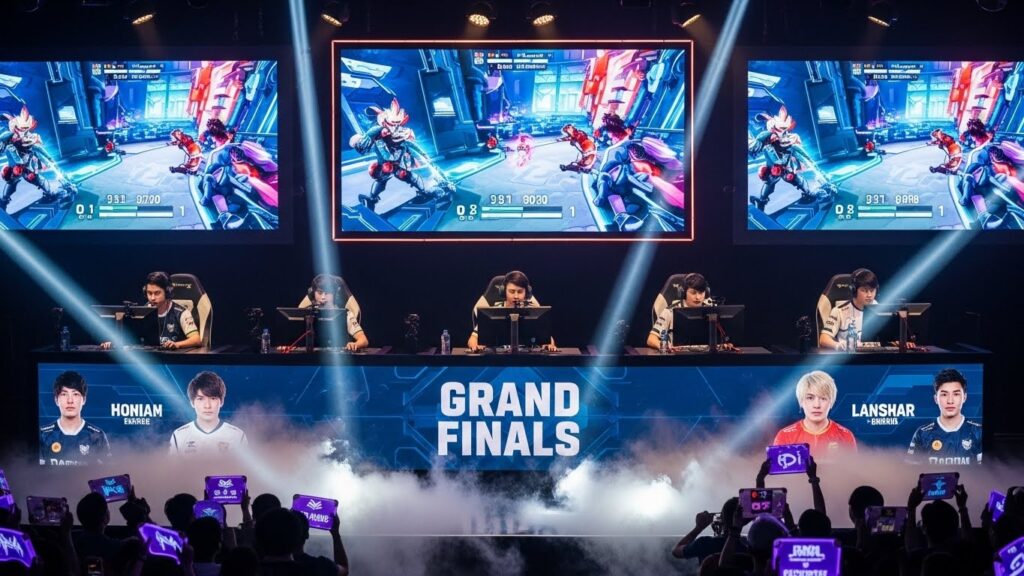
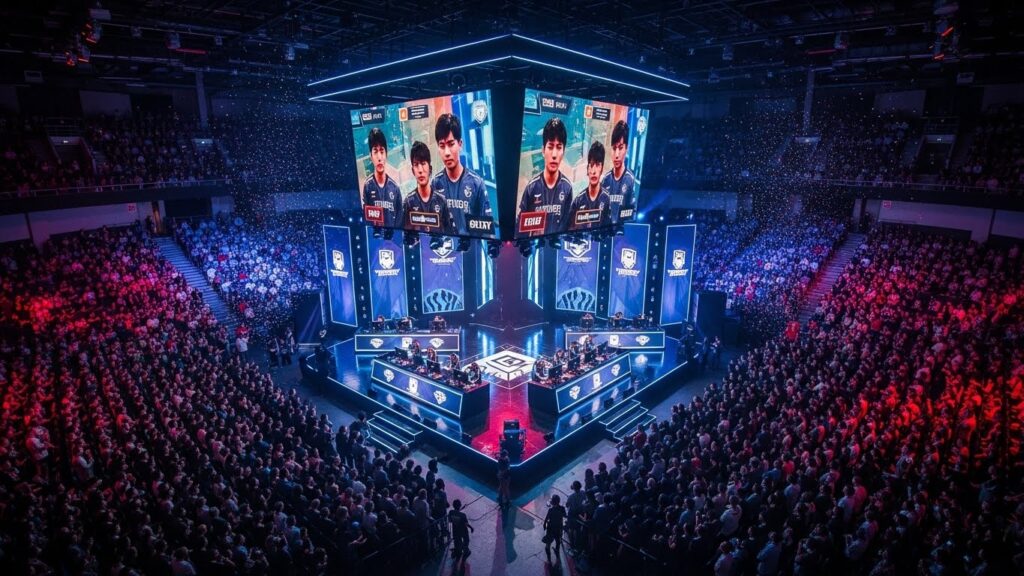
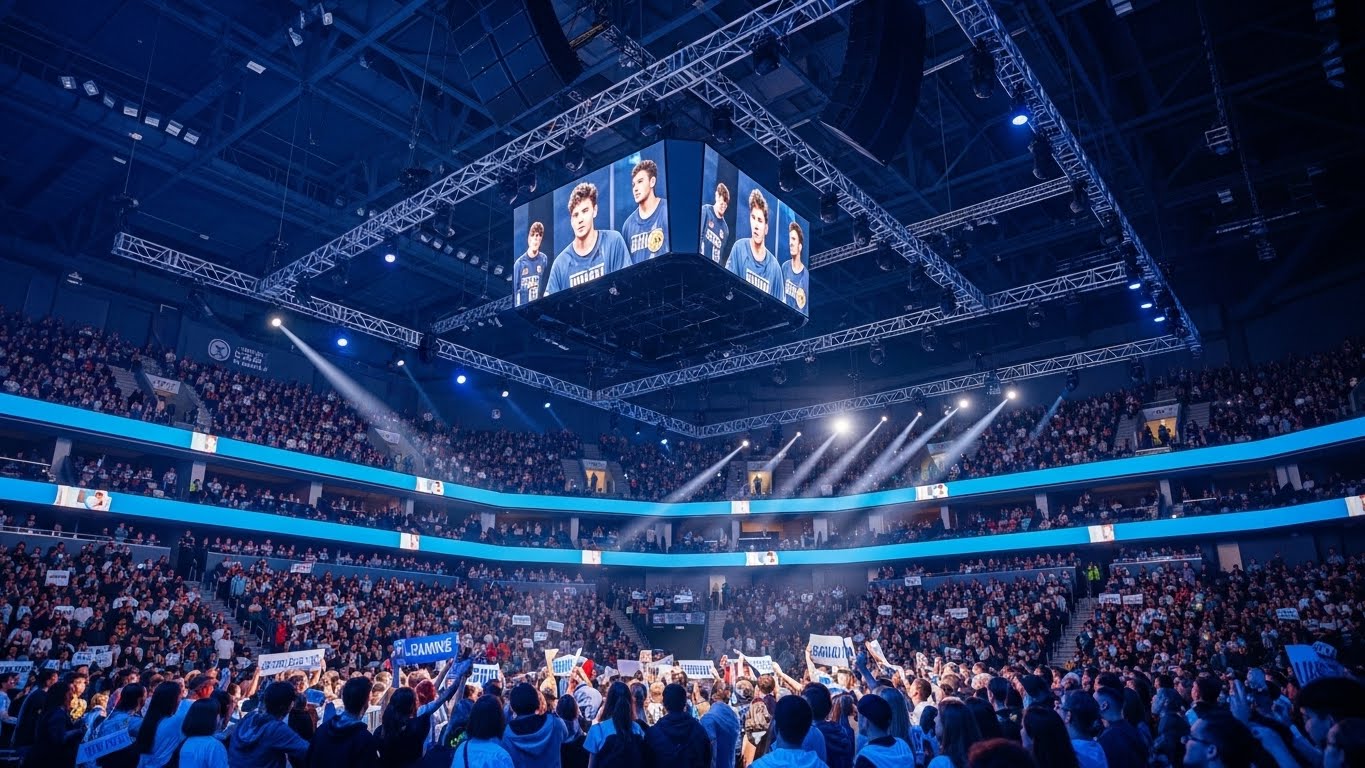
Today’s esports landscape is defined by massive tournaments that fill stadiums and attract millions of online viewers. Events are meticulously organized, featuring professional commentary, live production crews, advanced lighting, and immersive stage designs. These tournaments resemble traditional sports events, complete with team uniforms, coaches, analysts, and dedicated training facilities.
Prize pools have also grown significantly, reaching figures that rival or exceed those of some traditional sports. This has elevated esports into a professional and financially rewarding career path, motivating players to invest countless hours into mastering their skills. The international nature of these competitions adds another layer of excitement, bringing together global audiences and fostering cross-cultural engagement.
Why Esports Captivates Modern Audiences
Esports appeals to the digital generation for several reasons. One of the most significant factors is accessibility. Anyone with a gaming device and internet connection can participate, practice, and compete. This creates a sense of inclusivity and opens the door for hidden talent to emerge from anywhere in the world.
Another appeal lies in the relatable nature of esports athletes. Unlike many traditional athletes whose physical stature or geographic advantages play a significant role, esports players succeed through mental agility, strategic thinking, and reaction speed. Fans often feel deeply connected to their favorite players because they can follow their journey from casual gamer to professional competitor.
Additionally, games themselves are dynamic and visually engaging. They offer continuous updates, new characters, fresh strategies, and intricate mechanics that keep competitions exciting and unpredictable. This ever-changing environment captivates audiences who crave fast-paced and intellectually stimulating entertainment.
The Growth of Esports Careers
One of the most transformative impacts of esports is the variety of careers it has created. While professional players remain at the forefront, the industry offers a wide range of opportunities beyond competitive gaming. Coaches, analysts, content creators, streamers, tournament organizers, production specialists, and gaming journalists all play essential roles in sustaining the ecosystem.
Content creation has become particularly influential. Many players begin by showcasing their gameplay online, building loyal communities that help propel their careers. Even after retiring from professional competition, former players often transition into coaching or streaming, allowing them to remain active in the community.
Universities and educational institutions have also recognized the potential of esports. Many now offer scholarships, dedicated esports programs, and even degrees related to gaming, digital media, and event management. This shift signals a new era in which esports is not only entertainment but also a legitimate academic and professional field.
The Technology Behind Esports
The rapid growth of esports would not be possible without technological advancements. High-speed internet, powerful gaming hardware, virtual production tools, and professional broadcasting software have revolutionized how tournaments are played and viewed. Spectators can watch live matches with high-definition clarity, analyze replays, and engage with interactive features that enhance the viewing experience.
Moreover, gaming developers design competitive titles with precision, ensuring that gameplay remains balanced and fair. Regular updates, patches, and enhancements keep the gaming environment dynamic and competitive. These technical aspects demonstrate the meticulous planning and engineering required to sustain the esports industry.
Artificial intelligence also plays a role in esports training. Many teams use AI-based tools to analyze gameplay, identify weaknesses, and develop new strategies. This fusion of technology and competition illustrates how esports stands at the forefront of digital innovation.
The Cultural Impact of Esports
Esports is more than just competitive gaming. It has become a cultural movement that influences fashion, music, lifestyle, and youth identity. Team jerseys, gaming merchandise, and esports-themed apparel have become mainstream, appealing to fans who want to express their passion. Music artists often collaborate with gaming companies, creating soundtracks and performing at major tournaments.
Social platforms amplify the cultural influence of esports by allowing players to connect directly with fans, share behind-the-scenes content, and build personal brands. This interaction fosters a strong sense of community and belonging, which traditional sports have cultivated for decades.
In addition, esports challenges stereotypes about gaming. It has shifted public perception by showcasing the discipline, dedication, and teamwork required to compete at a professional level. This cultural shift highlights the legitimacy of gaming as both a sport and a career.
Esports and Traditional Sports: A Comparison
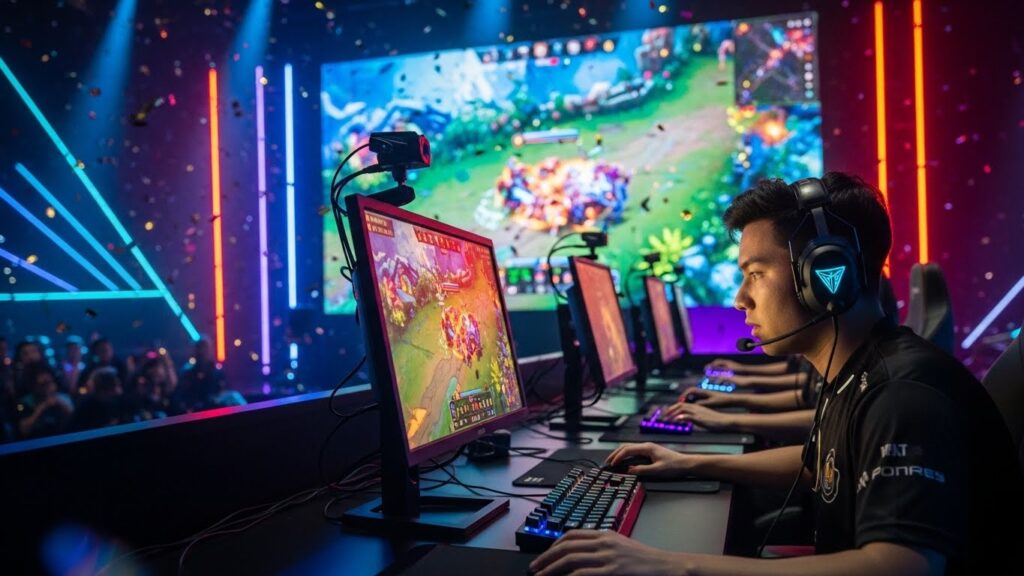
Although esports and traditional sports differ in their physical requirements, they share many similarities. Both rely on teamwork, strategy, mental focus, and hours of rigorous training. Many professional esports players follow strict routines that include practice schedules, mental coaching, physical exercise, and dietary plans to maintain peak performance.
Traditional sports organizations have also taken notice of esports’ immense popularity. Several major sports teams have invested in esports divisions, expanding their reach to younger audiences. The merging of these two worlds demonstrates the universal appeal of competition, regardless of whether it takes place on a field or in a digital arena.
The Challenges Facing Esports
Despite its meteoric rise, esports faces several challenges. One major concern is player burnout. The intense training schedules and mental pressure can take a toll on players, resulting in short career spans. To address this, organizations are increasingly providing psychological support, wellness programs, and balanced training routines.
Another challenge is maintaining fairness and integrity. With online competition comes the risk of cheating and exploiting game mechanics. Developers and tournament organizers must constantly update security measures and enforce strict rules to preserve competitive integrity.
Esports also faces regulatory and organizational hurdles. Different countries have varying laws regarding gaming, broadcasting, and prize distribution, making global tournaments complex. Establishing universal standards is essential for the industry’s long-term stability.
The Future of Esports
As technology continues to evolve, the future of esports looks brighter than ever. Virtual reality and augmented reality may introduce new forms of competitive gaming, offering more immersive experiences. Mobile gaming is expected to flourish further, making esports even more accessible worldwide.
Educational institutions will likely expand their esports programs, creating pathways for future professionals. Cities may invest in esports arenas, hosting more international tournaments and festivals. The integration of artificial intelligence, analytics, and global streaming platforms will enhance both gameplay and viewership.
Esports is not a passing trend; it is a transformative movement shaping the digital age. With its unique blend of competition, entertainment, and community, esports is set to influence future generations and remain a major force in global entertainment.
Conclusion: The Digital Journey Continues
Esports has traveled a remarkable path from small local competitions to global stadium events watched by millions. It represents a new era of entertainment where skill, technology, and creativity blend seamlessly. As it continues to grow, esports will inspire new careers, foster cultural unity, and push the boundaries of digital innovation. In this evolving landscape, one thing is clear: the digital arena is just getting started, and the world will be watching its rise for years to come.