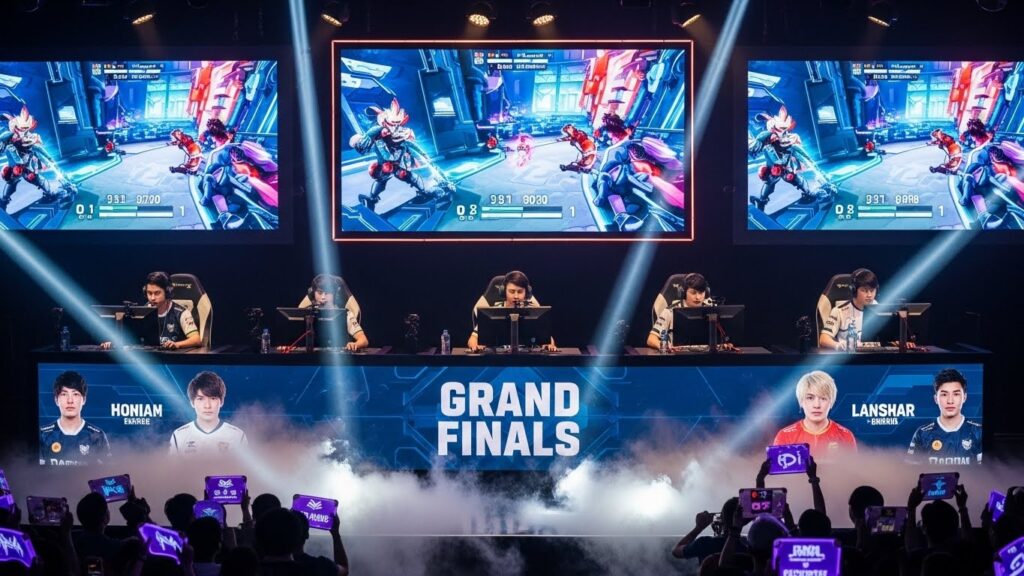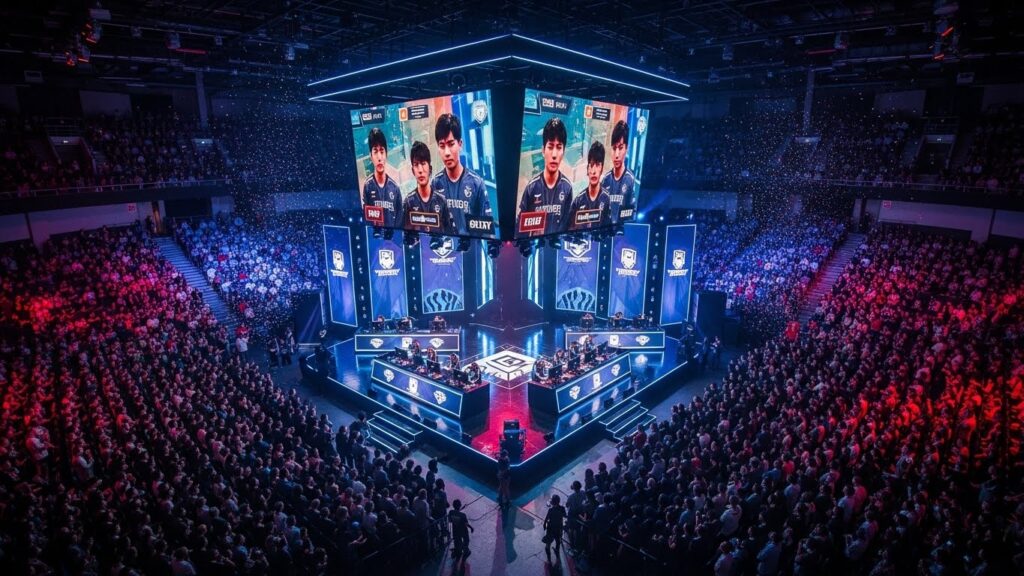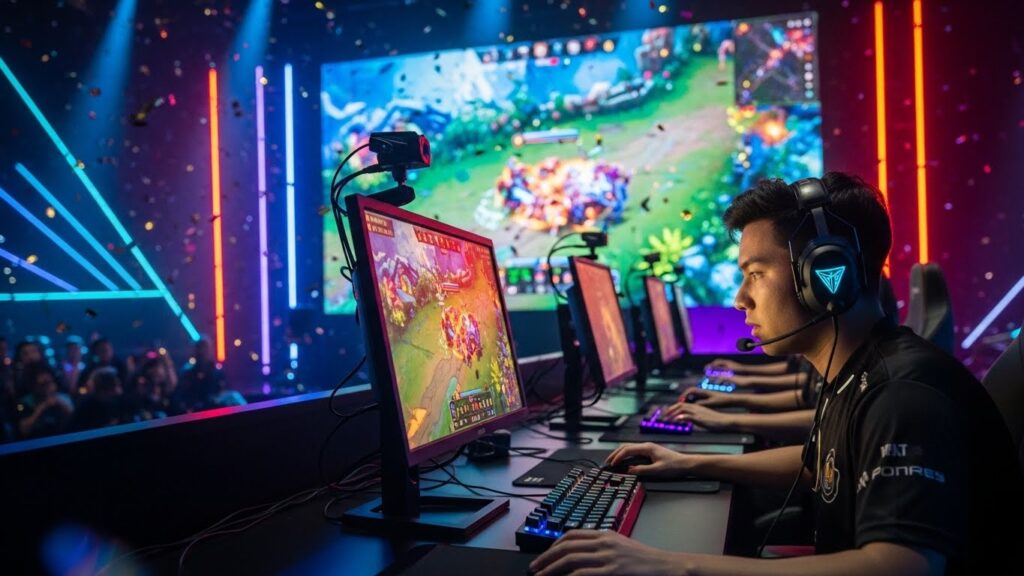
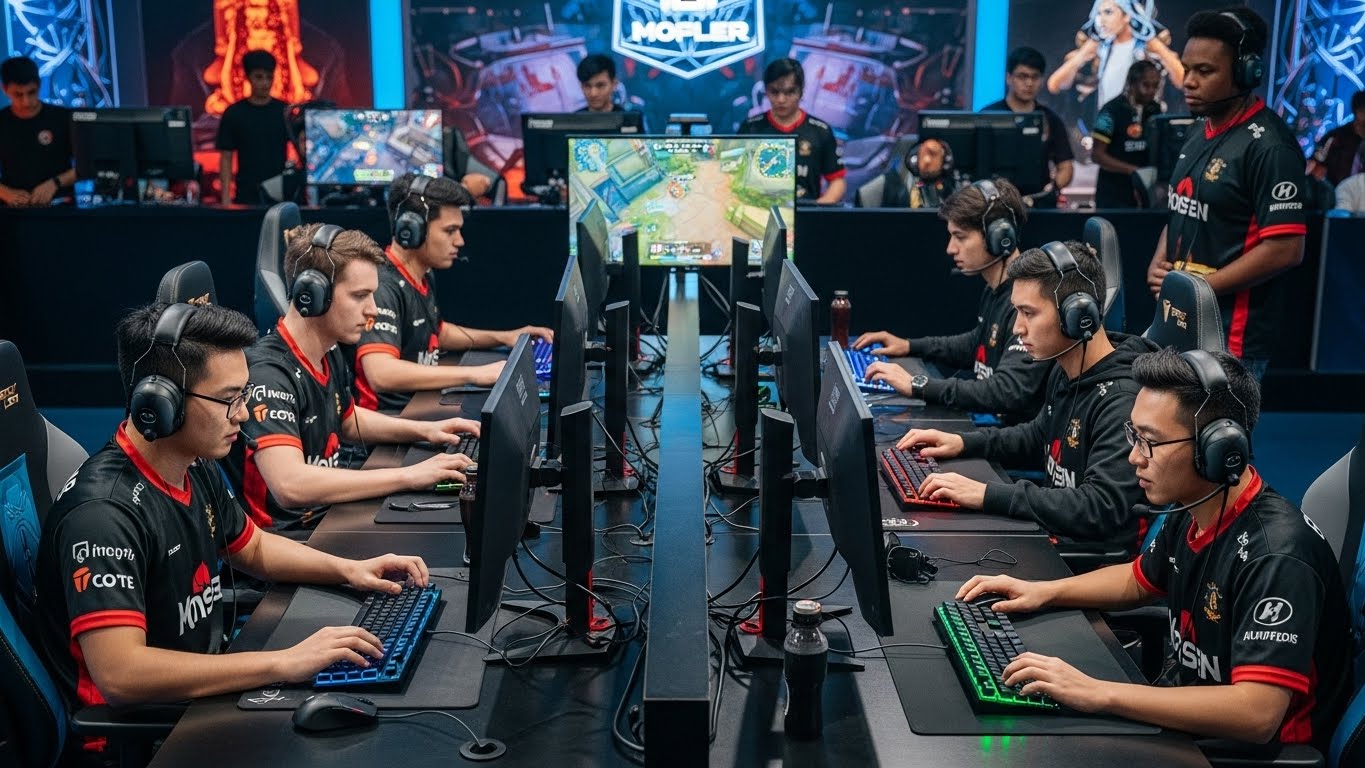
Esports, once considered a niche hobby for tech enthusiasts, has grown into a global phenomenon that rivals traditional sports in popularity, viewership, and professional opportunities. The world of competitive gaming has evolved at an unprecedented pace, driven by technological advancements, the rise of streaming platforms, and the increasing recognition of esports as a legitimate career path. This blog post explores the journey of esports, its impact on culture and entertainment, the opportunities it presents, and the challenges it faces in the modern world.
The Origins of Esports
The roots of esports can be traced back to the late 1970s and 1980s when arcade competitions and local video game tournaments became popular in the United States and Japan. Early games like Space Invaders and Pac-Man set the stage for competitive play, but it was the emergence of multiplayer video games in the 1990s, such as Street Fighter II and StarCraft, that truly fueled competitive gaming. These games allowed players not just to play for fun but to showcase their skills in front of an audience, laying the groundwork for professional esports.
The introduction of the internet accelerated esports exponentially. Online connectivity enabled players from different regions to compete in real-time, fostering a global competitive community. Games like Counter-Strike and Warcraft III brought esports to a wider audience, creating the first generation of professional gamers and teams.
The Explosion of Popularity
Over the past decade, esports has transformed from a hobbyist pursuit into a mainstream entertainment industry. Major tournaments now draw millions of viewers worldwide, often exceeding the audience size of traditional sports events. Titles such as League of Legends, Dota 2, and Fortnite have become cultural phenomena, attracting sponsorship deals, media coverage, and international fan communities.
One of the most significant drivers of esports’ popularity is live streaming. Platforms like Twitch and YouTube Gaming have allowed fans to watch tournaments, follow professional players, and engage with gaming communities in real-time. This interactivity has created a new form of social entertainment where spectators not only watch but participate in discussions, predictions, and fan activities.
The economic growth of esports is also noteworthy. Prize pools for major tournaments have reached staggering amounts, with some exceeding tens of millions of dollars. The professionalization of esports has led to structured teams, coaching staff, analysts, and even dedicated training facilities, mirroring the infrastructure of traditional sports.
The Structure of Competitive Esports
Esports competitions are organized across multiple levels, from local tournaments to international championships. Most esports games follow a structured competitive ladder, including amateur leagues, semi-professional circuits, and professional leagues. These leagues often culminate in annual world championships, where teams compete for titles, fame, and substantial monetary rewards.
Professional esports players dedicate hours to practice, often following rigorous schedules similar to athletes in traditional sports. They study game strategies, analyze opponents, and maintain physical and mental health to optimize performance. This structured approach demonstrates that esports requires not just talent but discipline, teamwork, and strategic thinking.
Esports and Culture
Beyond competition, esports has become a cultural force. It has influenced fashion, music, and entertainment, blurring the line between digital and real-world experiences. Professional players are not just athletes; they are celebrities, brand ambassadors, and influencers. Gaming events often feature cosplay, fan meet-ups, and interactive fan experiences, creating a sense of community and identity among participants.
Esports has also challenged traditional perceptions of sports and athleticism. Critics once dismissed video gaming as a sedentary activity with no physical or mental rigor. Today, research and observation show that esports requires quick reflexes, strategic thinking, teamwork, and mental endurance. The growing acceptance of esports in educational institutions, with scholarships and varsity programs, further validates its status as a legitimate pursuit.
Opportunities in the Esports Industry
The esports ecosystem is vast and multifaceted, offering opportunities beyond playing professionally. Careers in esports now include coaching, event management, broadcasting, content creation, game development, marketing, and analytics. Sponsorships and endorsements provide additional income avenues for top players and teams, while streaming and content creation allow individuals to monetize their gaming skills directly.
Esports has also opened doors for entrepreneurship. Companies specializing in gaming peripherals, event organization, and online platforms have emerged to cater to the growing demand. These ventures contribute to a thriving global economy centered around digital entertainment and innovation.
Educational institutions have recognized esports as well, offering specialized courses in game design, esports management, and digital media. Some universities provide scholarships to talented players, fostering a professional pipeline that combines education and career development.
Challenges Facing Esports
Despite its rapid growth, esports faces several challenges that threaten its long-term stability. One major issue is player burnout. The competitive nature of esports requires constant practice and travel, often leading to physical and mental health issues among players. Maintaining a balanced lifestyle while staying competitive is a significant challenge that the industry continues to address.
Another concern is regulation and governance. Unlike traditional sports with established rules and governing bodies, esports is fragmented, with different games, publishers, and tournaments setting their own standards. This lack of unified governance creates inconsistencies in rules, contracts, and player rights, leading to disputes and controversies.
Monetization and financial sustainability are also ongoing challenges. While top-tier players and teams earn substantial incomes, many aspiring professionals struggle to secure stable revenue. Sponsorship deals and tournament winnings are concentrated among elite players, leaving smaller participants with limited opportunities. Ensuring equitable growth across all levels of esports is essential for its long-term viability.
The Global Impact of Esports
Esports has a global reach, transcending cultural and geographical boundaries. Major tournaments are broadcast worldwide, and international teams often feature players from multiple countries. This global interconnectedness fosters cross-cultural collaboration, mutual understanding, and the spread of gaming culture.
Countries like South Korea and China have embraced esports at a national level, integrating it into educational systems, media, and public events. Other nations have followed suit, recognizing esports as a tool for technological advancement, economic growth, and youth engagement. The global appeal of esports also highlights the increasing importance of digital entertainment in shaping the future of media and culture.
The Future of Esports
The future of esports is promising, driven by technology, innovation, and growing societal acceptance. Emerging technologies such as virtual reality, augmented reality, and cloud gaming are set to redefine competitive experiences. These advancements will create more immersive and interactive platforms for both players and spectators.
Integration with traditional sports is also on the horizon. Collaborations between esports organizations and traditional sports franchises are becoming more common, offering hybrid experiences that blend physical and digital competition. These collaborations can expand audiences and provide new revenue streams for both industries.
Additionally, esports is expected to continue influencing education, health, and social engagement. Training programs focused on mental resilience, teamwork, and strategic thinking can benefit individuals beyond gaming. Educational institutions are likely to incorporate esports more formally, offering pathways for career development and personal growth.
Conclusion
Esports has come a long way from its humble beginnings in arcades and small tournaments. It has evolved into a global industry that combines competition, entertainment, culture, and business. The rise of esports demonstrates the transformative power of technology in creating new forms of engagement and redefining what it means to be an athlete in the digital age.
While challenges remain, the opportunities within esports are vast, spanning careers, entrepreneurship, and global cultural impact. As technology advances and societal perceptions shift, esports is poised to continue its growth trajectory, shaping the future of entertainment and competitive sport for generations to come.
The digital arena is no longer just a space for play—it is a battlefield of strategy, skill, and innovation where the world’s best compete, inspire, and entertain. Esports is more than a trend; it is a revolution in the way people experience competition, community, and creativity.