Introduction: The Rise of Esports
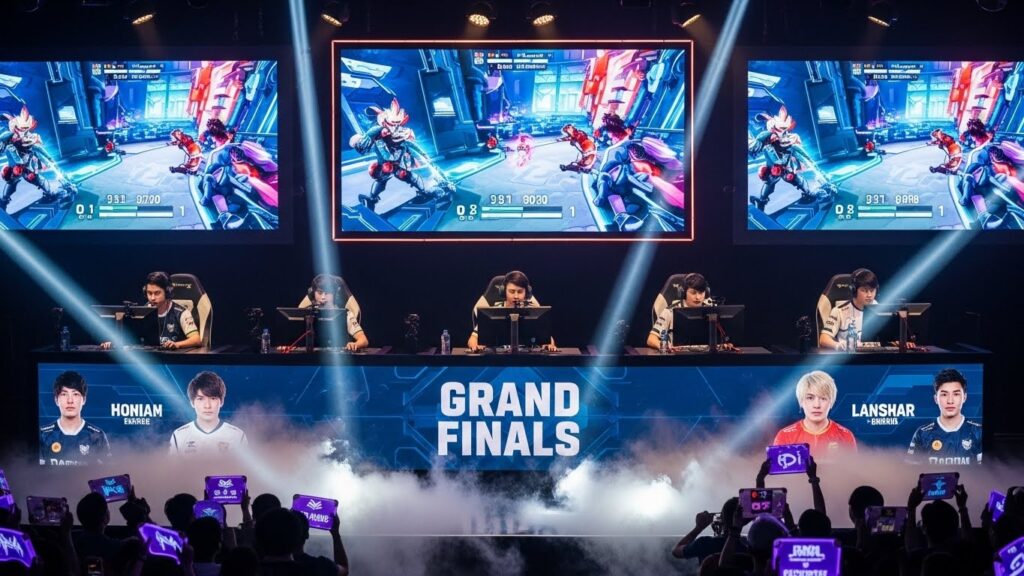
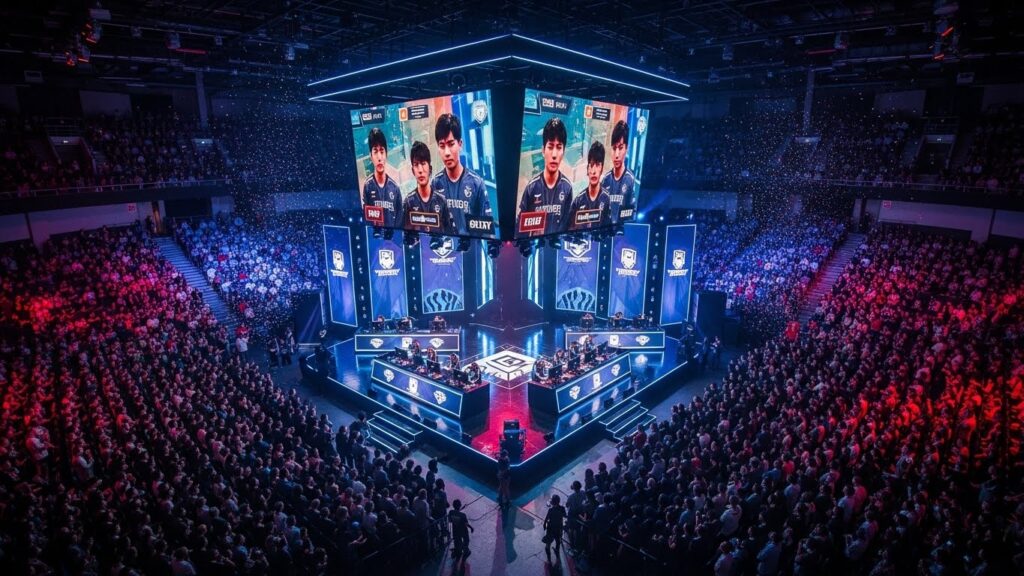
In the last decade, esports has evolved from a niche hobby into a global phenomenon, captivating millions of players and spectators around the world. Competitive gaming is no longer just a pastime for enthusiasts; it has become a professional sport, an entertainment powerhouse, and a cultural movement. With professional teams, international tournaments, and streaming platforms that draw millions of viewers, esports has redefined the way we understand competition.
Unlike traditional sports, esports thrives entirely in the digital space, making it accessible to anyone with a computer, console, or smartphone. Its rise demonstrates how technology, connectivity, and community have converged to create a new form of athleticism—one that combines strategy, reflexes, and teamwork in a virtual arena.
The History of Esports
Esports has roots stretching back to the 1970s and 1980s, when early video game competitions began to emerge. Events like the Space Invaders Championship in 1980 marked some of the first organized tournaments. As home consoles and personal computers became widespread in the 1990s, competitive gaming gained momentum, particularly with multiplayer titles that allowed players to compete locally or over networks.
The late 1990s and early 2000s brought the era of online gaming, enabling players from around the world to compete in real-time. Games like StarCraft, Counter-Strike, and Warcraft III became early esports staples. This period laid the foundation for the highly structured professional leagues, global tournaments, and streaming-based entertainment that define modern esports.
Popular Esports Genres
Esports is diverse, encompassing multiple genres that cater to different skill sets and fan preferences.
Multiplayer Online Battle Arenas (MOBAs): Games like League of Legends and Dota 2 require strategic thinking, team coordination, and adaptability. These games are known for intense matches and complex gameplay.
First-Person Shooters (FPS): Titles such as Counter-Strike and Call of Duty focus on precision, reflexes, and tactical communication. Players must think quickly under pressure.
Battle Royale Games: Fortnite, PUBG, and Apex Legends introduced a survival-style competitive format, blending exploration, strategy, and combat in dynamic environments.
Sports Simulations: Digital renditions of traditional sports like FIFA and NBA 2K allow players to compete in familiar athletic arenas with a digital twist.
Fighting Games: Games such as Street Fighter and Super Smash Bros emphasize timing, skill, and adaptability in one-on-one matches.
This variety ensures that esports appeals to both casual gamers and professional players, creating a wide-reaching global audience.
Esports as a Professional Career
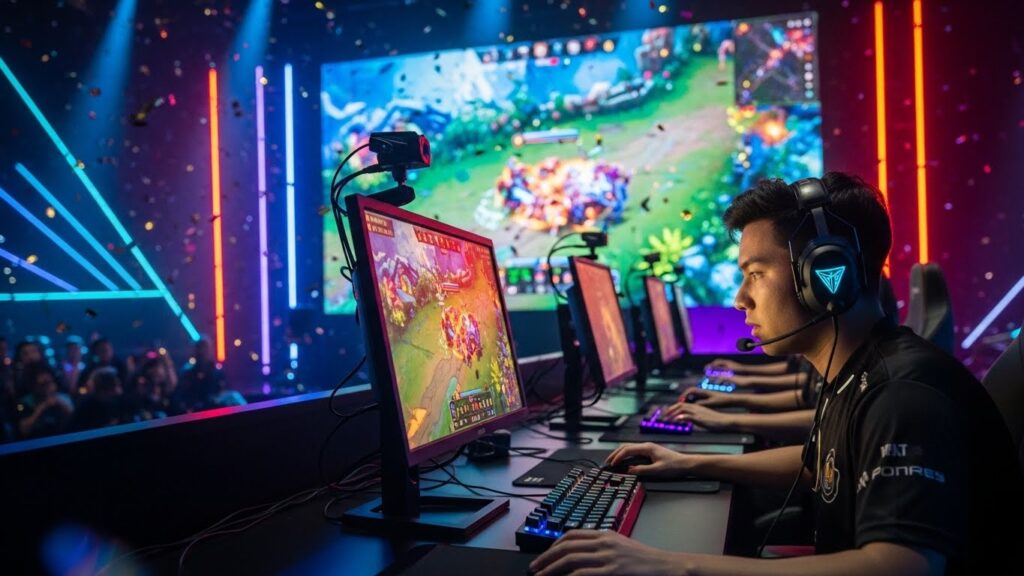
Esports is now recognized as a legitimate career. Professional players train rigorously, often dedicating six to twelve hours a day to practice, strategy sessions, and team coordination. Like traditional athletes, esports players follow structured routines, maintain physical fitness, and engage in mental conditioning to optimize performance.
Beyond players, the esports industry offers careers in coaching, event management, content creation, broadcasting, analytics, and sponsorship management. Teams employ psychologists, nutritionists, and fitness coaches to support their athletes. This professional infrastructure elevates esports to a level comparable to established sports leagues worldwide.
The Role of Technology in Esports
Technology is the backbone of esports. High-performance computers, fast internet connections, and specialized gaming peripherals are essential for competitive play. Game developers continually update mechanics, balance characters, and introduce new content to keep competitions fair and engaging.
Streaming technology has revolutionized how fans experience esports. Platforms allow millions to watch live tournaments, interact with commentators, and engage in fan communities. Innovations such as virtual reality, augmented reality, and AI-driven analytics are expected to further enhance both player performance and spectator engagement.
The Global Esports Community
Esports has created a unique global community. Players, fans, and content creators connect across countries, languages, and cultures. Online platforms, forums, and social media foster discussion, strategy sharing, and fandom.
International tournaments bring together players from different continents, emphasizing skill and strategy over physical attributes. This inclusivity has helped esports grow into a truly global phenomenon, creating bonds among diverse groups of people who share a common passion for competitive gaming.
Esports in Education
Esports is increasingly integrated into educational programs. Schools and universities now offer esports clubs, scholarships, and academic programs that recognize the strategic, cognitive, and social skills developed through gaming.
Collegiate esports leagues allow students to compete at a high level while balancing academic responsibilities. Participation fosters leadership, teamwork, problem-solving, and time management skills, which are transferable to careers both within and outside the gaming industry. Educational institutions have recognized that esports provides valuable real-world skills in a highly engaging format.
Mental and Emotional Benefits
Competitive gaming requires focus, strategic thinking, and resilience. These challenges help players develop critical cognitive skills and enhance their mental agility. Esports also teaches emotional intelligence, as players learn to handle victory, defeat, and the pressures of high-stakes competition.
However, the intensity of professional esports can lead to burnout and stress. To address this, teams and organizations prioritize mental health through counseling, structured breaks, and wellness programs. Emphasizing mental health ensures that esports remains a sustainable and positive pursuit for all participants.
Entertainment and Spectacle
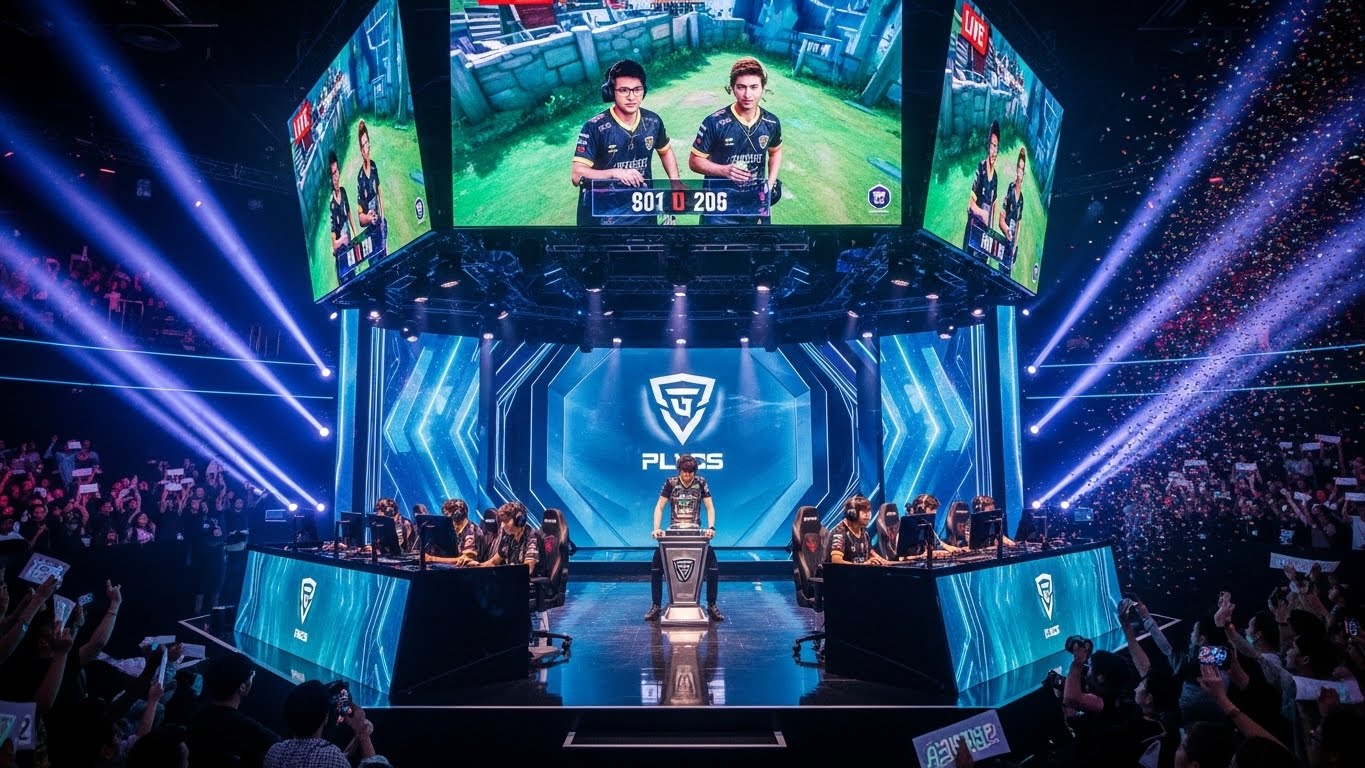
Esports has transformed into a global entertainment phenomenon. Tournaments feature live commentary, music, and production elements that rival traditional sports broadcasts. Fans engage in live chats, fantasy leagues, and online communities, creating an interactive and immersive experience.
Content creators and professional players extend entertainment beyond the games themselves. Streams, highlight reels, and behind-the-scenes content give fans an inside look at players’ personalities and strategies, deepening engagement and creating a sense of community.
Economic Impact of Esports
The esports industry generates billions in revenue annually, from sponsorships and advertising to merchandise and event tickets. International tournaments attract global audiences, providing lucrative opportunities for brands and investors. Gaming hardware companies also benefit from the growing demand for high-performance equipment.
Esports drives job creation across multiple sectors, including broadcasting, event management, digital marketing, and game development. The financial impact demonstrates that esports is more than entertainment—it is a powerful economic engine shaping the digital economy.
Challenges in Esports
Despite its rapid growth, esports faces challenges that must be addressed for long-term sustainability. Regulatory differences between countries can complicate tournaments and player contracts. Ensuring fair play, combating cheating, and managing player burnout are ongoing concerns.
Accessibility remains a barrier, as competitive gaming requires high-quality equipment and internet connectivity. The industry is actively working toward inclusivity, establishing fair rules, and promoting mental health awareness to address these challenges.
The Future of Esports
The future of esports is bright and full of innovation. Virtual reality, augmented reality, and AI-enhanced gameplay promise to redefine competition and viewing experiences. Cross-platform gaming will enable players from different devices to compete seamlessly, increasing accessibility.
Traditional sports organizations are partnering with esports leagues, creating hybrid events that blend digital and physical competition. Educational institutions continue integrating esports into academic programs, further legitimizing the field. The combination of technological innovation, cultural acceptance, and global connectivity ensures that esports will remain a central part of entertainment and competitive culture for years to come.
Conclusion: Esports as a Cultural Phenomenon
Esports has transformed from casual gaming into a global cultural force. It combines skill, strategy, technology, and entertainment, creating a new type of athleticism and competition. Players, fans, and creators form communities that span continents, breaking barriers and redefining traditional notions of sport.
With professional careers, educational programs, and international tournaments, esports offers opportunities for growth, engagement, and inspiration. As technology continues to evolve and audiences expand, esports will play an increasingly significant role in entertainment, culture, and society.
In the digital arena, champions are not measured by physical strength alone but by strategy, reflexes, teamwork, and dedication. Esports is more than a game—it is a movement that is redefining competition, culture, and connection in the modern world.