Esports has rapidly risen from a niche form of entertainment to a global cultural force that rivals traditional sports. What was once a simple pastime of friendly gaming matches is now a sophisticated industry with professional athletes, massive tournaments, streaming empires, and dedicated fans around the world. As technology evolves and digital culture becomes more deeply woven into society, esports continues to grow at an astonishing pace. This blog explores the history, growth, impact, and future of esports in a detailed and engaging way, offering a complete look at why competitive gaming has become one of the most exciting forms of entertainment today.
The Birth of Competitive Gaming
The origins of esports stretch back farther than many people realize. In the early days of gaming, competitions were informal and centered around achieving high scores on arcade machines. During the 1970s and 1980s, players gathered in arcades to challenge one another, seeking recognition and bragging rights. As home gaming consoles became more accessible, friendly competitions grew more common, though they were still far from the structured tournaments we see today.
In the 1990s, the rise of personal computers and local area networks introduced a new era of multiplayer gaming. Players could connect their computers and compete in real time, creating the first glimpses of organized competitive play. Games such as Doom, Quake, and StarCraft laid the foundation for modern esports by introducing fast-paced, skill-driven gameplay that attracted dedicated communities. These early competitions may have been small, but they marked the beginning of an industry that would eventually explode onto the global stage.
The Shift Toward Professionalism
As gaming technology improved, so did the possibilities for competitive play. The 2000s were a turning point for esports as online multiplayer functionality became standard in many games. Competitions expanded beyond small local events into national and international tournaments. Organizations began forming dedicated teams of skilled players who represented sponsors and brands. These teams competed for cash prizes, recognition, and global rankings, much like athletes in traditional sports.
South Korea emerged as one of the earliest leaders in the esports movement. The country embraced gaming as a legitimate competitive discipline, broadcasting matches on television and celebrating professional gamers as celebrities. This widespread acceptance helped normalize esports globally and inspired other regions to invest in competitive gaming. As a result, esports gained infrastructure, professionalism, and legitimacy, setting the stage for exponential growth in the years to come.
The Explosion of Modern Esports
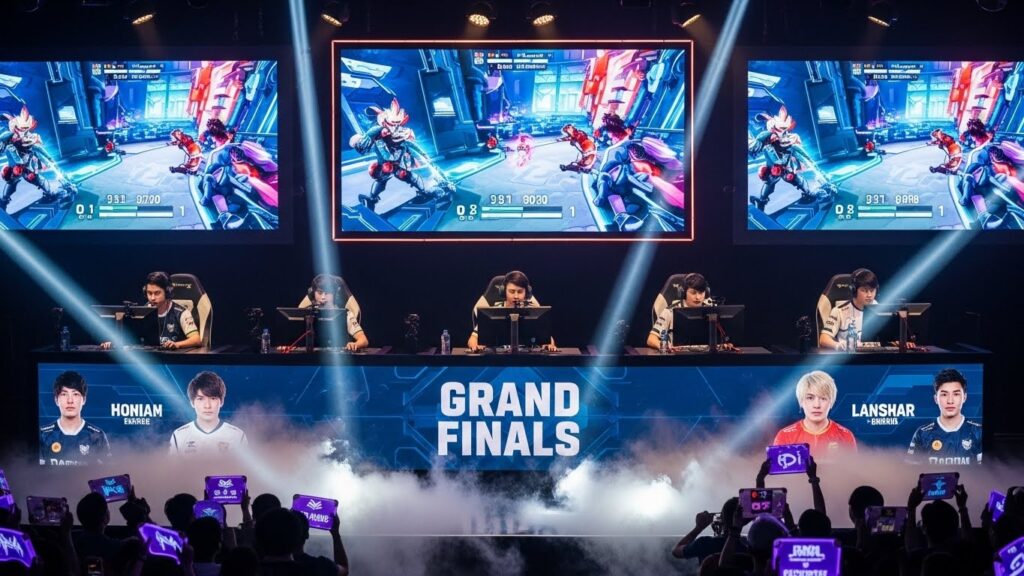
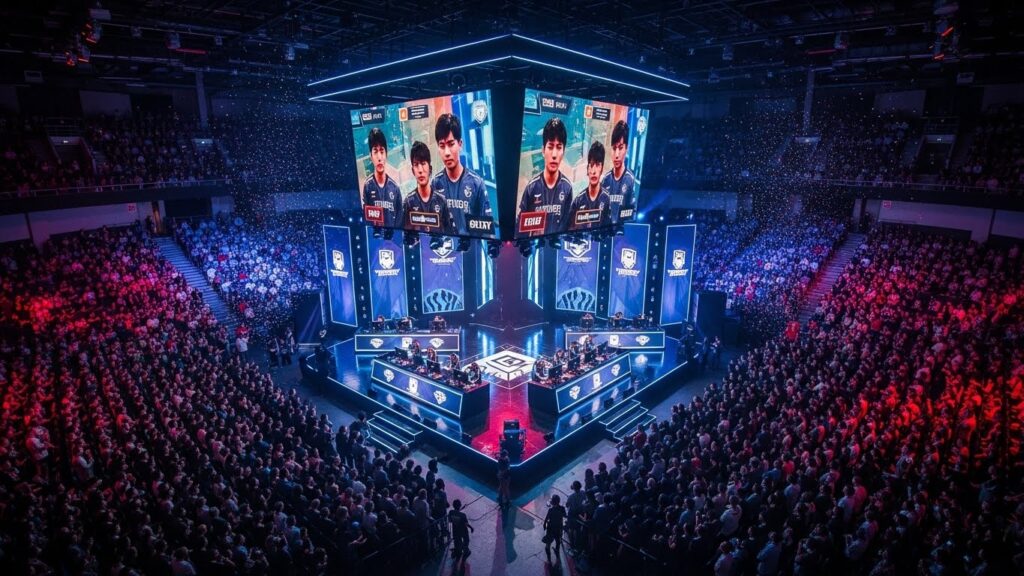
Today, esports is one of the fastest growing industries in the world. Major tournaments attract millions of viewers, both in person and online. Large arenas host championship matches, complete with elaborate stage designs, live commentators, and cheering fans. Prize pools reach astonishing levels, offering life-changing amounts of money to top performers. Professional players travel the world, compete in leagues, and sign contracts that mirror those of traditional athletes.
The global reach of esports is one of its most powerful qualities. Fans from every continent follow their favorite teams and players, forming communities that span languages and cultures. Esports events bring people together through a shared love of competition, strategy, and digital skill. This international appeal continues to fuel the industry’s growth, establishing esports as a major force in modern entertainment.
The Influence of Streaming and Online Platforms
One of the most important factors behind the rise of esports is the power of online streaming. Before streaming became mainstream, watching competitive gaming required being physically present at events or waiting for recordings to be shared. The introduction of live streaming changed everything. Players could broadcast their gameplay to the world, interact with viewers in real time, and build dedicated fanbases.
Streaming platforms created an entirely new type of entertainer: the gaming creator. These individuals share their experiences, explain strategies, and entertain audiences through their gameplay. Many professional esports players also stream, giving fans an inside look at their training and personal lives. This direct connection between players and viewers enhances the emotional appeal of esports and helps cultivate loyal communities.
Why Esports Appeals to Modern Audiences
Esports resonates with a wide variety of audiences for several reasons. For one, it is highly accessible. Anyone with a gaming device and an internet connection can play or watch. Individuals who might not have the physical ability to play traditional sports can still participate in esports at competitive levels. The diversity of game genres ensures that there is something for everyone, from strategic battle arenas to fast-paced shooters and simulation sports.
Additionally, esports is thrilling to watch. The action is intense, fast, and unpredictable. Matches often come down to precise movements, quick decisions, and clever strategies. This creates a level of excitement that keeps audiences engaged from start to finish. Many fans also appreciate the technical depth of esports. Understanding a game’s mechanics and strategies adds another layer of enjoyment, similar to how fans of traditional sports appreciate tactics and plays.
The Science and Technology Supporting Esports
Esports is deeply connected to technological innovation. High-quality gaming hardware, fast internet connections, and advanced graphics allow players to perform at peak levels and viewers to enjoy smooth, high-definition broadcasts. Developers continue to create games designed specifically for competitive play, optimizing them for fairness, balance, and skill expression.
Technology also plays a role behind the scenes. Coaches use analytics tools to study gameplay, evaluate player performance, and develop strategies. Artificial intelligence is increasingly used to analyze patterns and predict behaviors. As technology advances, esports will only become more sophisticated, pushing the boundaries of what digital competition can achieve.
The Commitment Required to Succeed
Becoming a professional esports athlete requires far more than casual gaming. Players train for hours every day to refine their skills, improve reaction times, and develop strategic thinking. They work closely with teammates, building trust and communication. Physical fitness is often part of training as well, helping players maintain focus and endurance.
Mental preparation is equally important. Competitive gaming is intense and emotionally demanding. Many teams employ sports psychologists to help players manage stress, maintain confidence, and stay motivated. The level of commitment required demonstrates that esports is far from an easy career path. It demands discipline, resilience, and passion.
Esports and the Cultural Shift in Entertainment
Esports has significantly influenced modern culture. It has inspired clothing lines, music collaborations, and mainstream media recognition. Young audiences in particular see gaming as a central part of their lives, and esports reflects their interests and values. The rise of esports has also contributed to the integration of gaming into everyday conversation, making it a dominant form of entertainment in the digital age.
Traditional sports organizations have taken notice as well. Many major sports teams have invested in esports divisions, recognizing the potential of expanding into digital competition. This crossover demonstrates how esports is reshaping the broader entertainment landscape and blurring the lines between physical and digital sports.
Educational and Social Benefits of Esports
Esports is also making its way into education. Schools and universities are forming esports teams, offering scholarships, and using gaming as a way to teach problem solving, teamwork, and leadership. Students who participate in esports programs often improve skills such as critical thinking, communication, and strategic planning.
Beyond education, esports fosters community. Friends gather online to practice, compete, and share memorable moments. Fans build connections with others who enjoy the same games and teams. This sense of community is one of the most powerful aspects of esports, reinforcing its positive impact on social well-being.
The Challenges Facing Esports
Despite its success, esports faces several challenges. The industry must continue developing regulations to protect players, ensure fair competition, and create sustainable career paths. Issues such as burnout, long training hours, and player contracts require thoughtful solutions. As the industry grows, maintaining integrity and transparency will be vital to its long-term success.
The Future of Esports
The future of esports is incredibly promising. With continuous advancements in technology, new game genres, and increasing global interest, the industry will continue to evolve. Virtual reality competitions, enhanced broadcasting tools, and innovative training methods will shape the next generation of esports. As digital entertainment continues to expand, esports will remain at the forefront of this cultural revolution.
Conclusion
Esports has transformed from small gaming competitions into a global movement that blends technology, entertainment, and athletic discipline. Its influence spans cultures, industries, and generations, shaping new ways of connecting, competing, and celebrating digital skill. As esports continues to grow, it will redefine the future of entertainment and leave a lasting legacy on how the world views competitive excellence.