Introduction: The Emergence of Esports
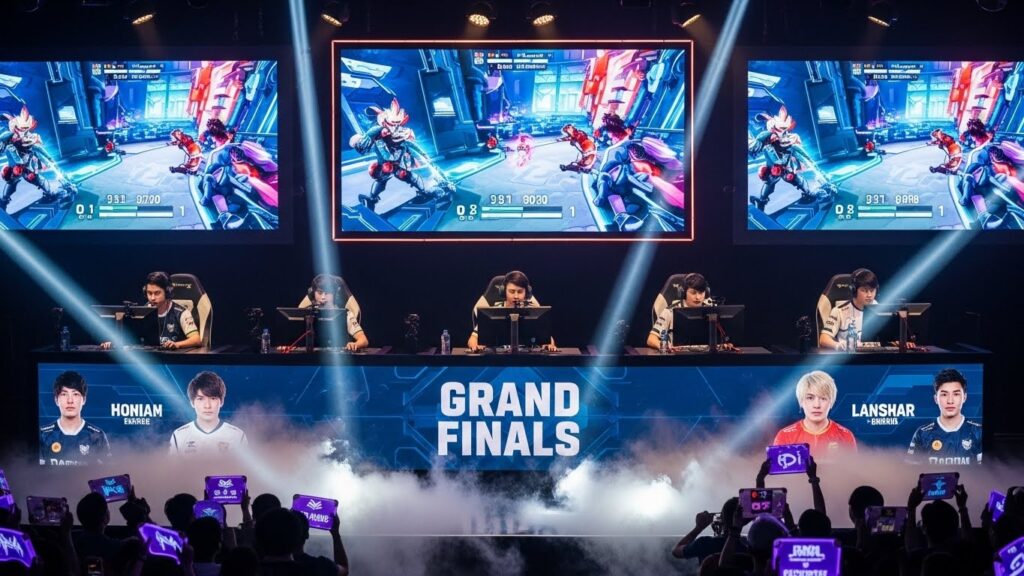
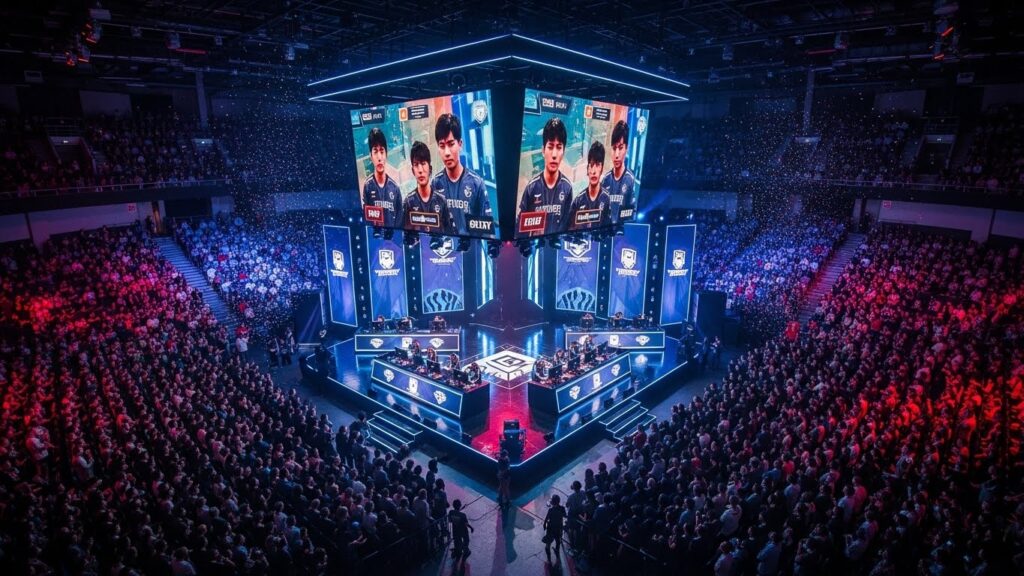
Esports, or competitive video gaming, has evolved from a niche pastime into a global cultural phenomenon. Once dismissed as casual entertainment, it now commands massive audiences, professional leagues, and international tournaments. Millions of players compete online, while millions more watch live streams and broadcasts, creating a digital community that transcends borders. Esports has redefined what it means to be an athlete, emphasizing precision, strategy, teamwork, and mental resilience.
The rise of esports represents a convergence of technology, entertainment, and competition. It offers not only a platform for players to showcase talent but also opportunities for career development, community engagement, and global connectivity. This blog explores the multifaceted world of esports, from its history and competitive demands to its social impact and future potential.
The Evolution of Esports
Esports has a rich history that spans several decades. In the 1970s and 1980s, early video game competitions emerged in arcades and local gaming centers. These events were informal, often centered around high scores in games like Space Invaders and Pac-Man. As technology advanced, online multiplayer games such as StarCraft and Counter-Strike transformed esports into a competitive, strategic, and team-oriented pursuit.
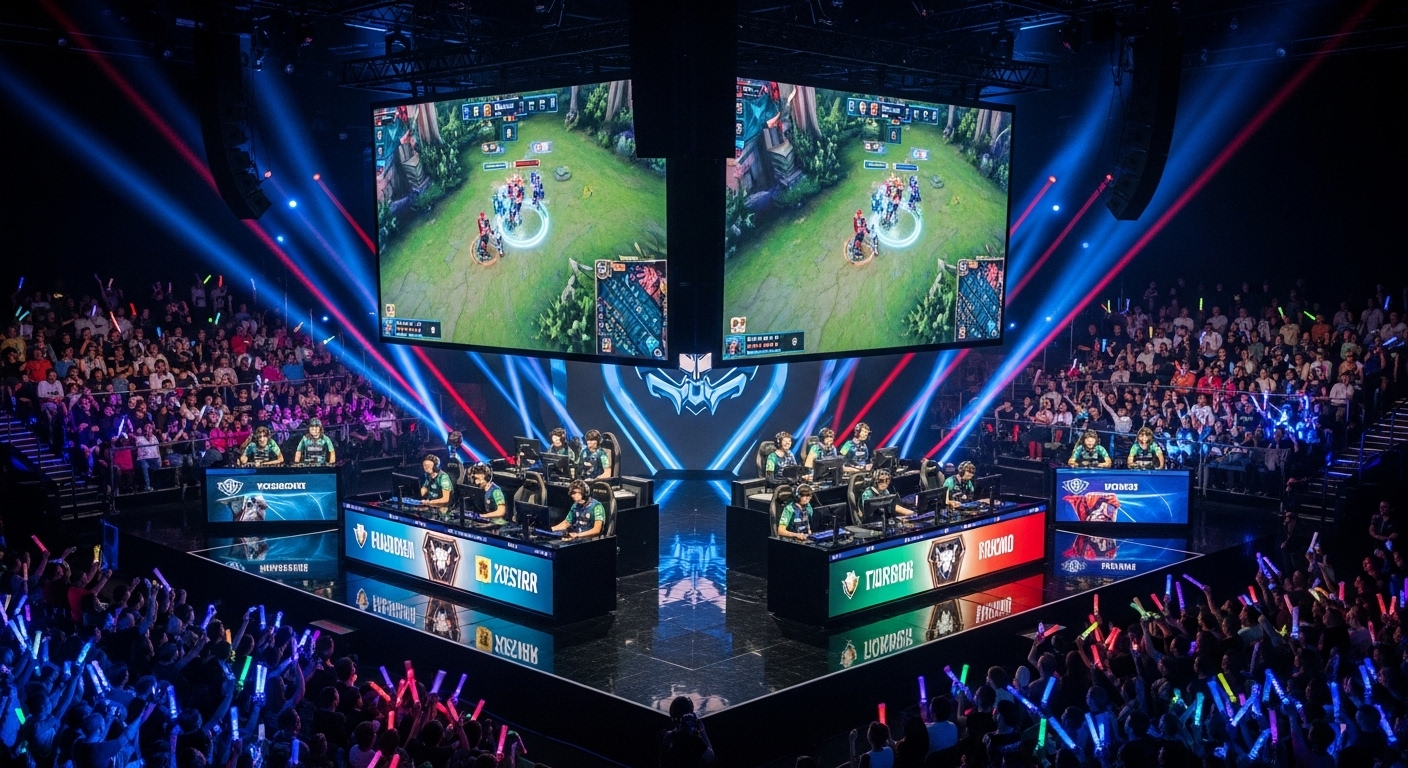
The proliferation of internet connectivity and streaming platforms revolutionized esports. Players could now compete globally, and fans could watch live matches in real time. This accessibility expanded esports audiences exponentially, allowing tournaments to attract millions of viewers and substantial sponsorships. Today, esports features professional teams, leagues, and tournaments with structured seasons, mirroring traditional sports in professionalism and scale.
Genres and Games in Esports
Esports encompasses a wide variety of game genres, each with unique competitive dynamics. Multiplayer Online Battle Arena (MOBA) games like League of Legends and Dota 2 require teamwork, strategy, and split-second decision-making. First-Person Shooter (FPS) games such as Counter-Strike: Global Offensive and Valorant demand precision, reflexes, and tactical coordination. Battle Royale games like Fortnite and Apex Legends combine survival strategies with real-time decision-making under pressure.
Real-Time Strategy (RTS) games challenge players to manage resources, control units, and outmaneuver opponents. Sports simulation games like FIFA and NBA 2K bring digital versions of traditional sports to the competitive gaming world. Each genre offers unique experiences for players and viewers, contributing to the diversity and inclusivity of the esports ecosystem.
The Physical and Mental Demands of Esports
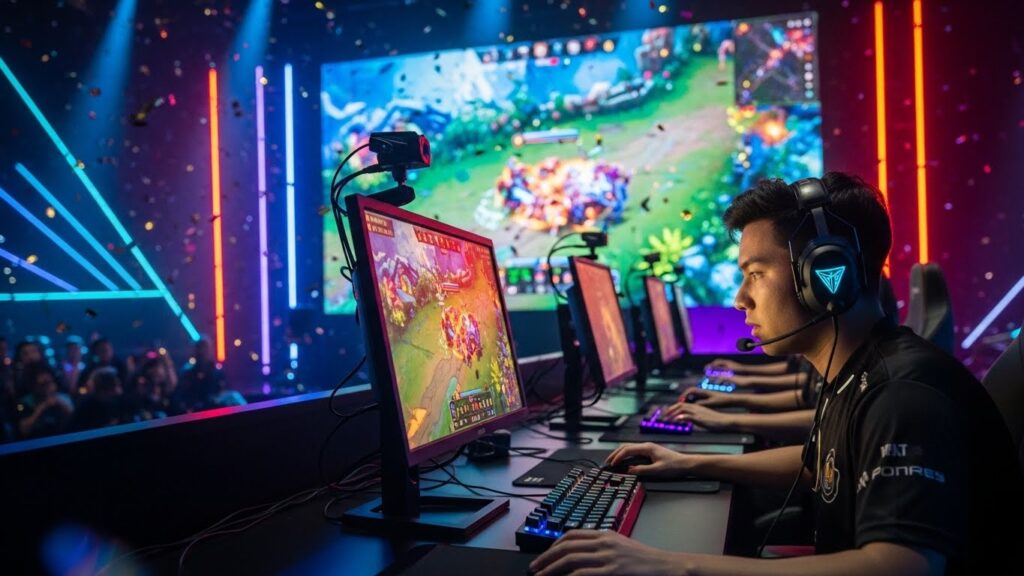
While esports may appear less physically demanding than traditional sports, professional gaming requires extraordinary endurance, precision, and focus. Players spend hours daily practicing, refining techniques, and studying opponents. Hand-eye coordination, reaction time, and strategic thinking are essential for high-level performance.
Mental resilience is a cornerstone of esports success. Players must perform under intense pressure, make rapid decisions, and adapt strategies in dynamic environments. Competitive gaming also demands focus, discipline, and emotional control. Top esports athletes often integrate physical fitness and healthy lifestyle routines to maintain stamina and prevent strain from long hours of gameplay.
Team Dynamics and Strategy in Esports
Team-based esports competitions emphasize collaboration, communication, and leadership. In games like League of Legends, Dota 2, and Overwatch, players must coordinate roles, execute strategies, and respond to evolving situations. Success depends not only on individual skill but also on collective synergy.
Teams cultivate leadership skills, trust, and accountability. Captains and veteran players guide younger members, creating a dynamic where strategy and communication are critical. These skills extend beyond the digital arena, helping players develop problem-solving abilities, teamwork, and resilience applicable in professional and personal contexts.
Individual Esports: Skill and Self-Discipline
Individual esports competitions, such as those in fighting games, racing simulators, or RTS titles, focus on personal skill, strategic thinking, and discipline. Players are solely responsible for their performance, requiring self-motivation, critical analysis, and adaptive strategies.
Competing individually teaches athletes to evaluate strengths and weaknesses objectively and continuously improve performance. Emotional control is paramount, as pressure and stakes are high in solo matches. Success in individual esports cultivates confidence, patience, and accountability—qualities that resonate far beyond gaming.
Esports Communities and Social Engagement
One of esports’ most defining features is its ability to create vibrant, engaged communities. Online platforms, streaming services, and social media foster interaction between players and fans, enabling knowledge sharing, discussion, and support.
Esports communities are diverse, welcoming players and enthusiasts from around the world. They celebrate achievements, share strategies, and cultivate mentorship opportunities. Social interaction in esports encourages collaboration, leadership, and digital literacy, while also providing a sense of belonging and connection in an increasingly virtual world.
Career Opportunities in Esports
Esports has transformed gaming into a viable professional career. Professional players earn income through tournament winnings, sponsorships, streaming revenue, and team salaries. Coaching, team management, analysis, and content creation offer additional career paths within the industry.
Streaming platforms allow individuals to build personal brands and engage directly with audiences. Content creation, commentary, and digital entertainment careers flourish alongside competitive gaming. The professionalization of esports highlights the dedication, training, and skill required to excel, making it a legitimate and respected field.
Economic Impact of Esports
The esports industry contributes significantly to the global economy. Major tournaments generate revenue from sponsorships, advertising, merchandise, and broadcasting. Large-scale events attract international audiences and stimulate tourism, creating jobs and opportunities across marketing, event management, media, and technology sectors.
Esports drives technological innovation, including advances in streaming, graphics, and server infrastructure. The industry’s growth demonstrates the economic potential of digital sports and underscores the increasing influence of technology in entertainment and cultural markets.
Esports and Education
Educational institutions increasingly recognize the benefits of esports. Many colleges offer esports programs, scholarships, and organized teams. Participation develops critical skills such as teamwork, strategic thinking, leadership, and digital literacy. Students learn to balance practice, competition, and academics while preparing for careers in gaming, technology, and media.
High schools and community programs also embrace esports, promoting inclusivity and engagement among students who may not participate in traditional sports. These programs cultivate confidence, collaboration, and critical thinking, demonstrating that esports is not only entertainment but also a tool for personal development.
Challenges Facing Esports
Despite its success, esports faces challenges. Intense competition and long hours can lead to stress, burnout, and health issues. Players must balance mental and physical well-being while maintaining high performance.
Additionally, issues such as cheating, toxicity, and unfair practices occasionally disrupt the community. Organizers and developers are continually refining rules, anti-cheat measures, and professional standards to ensure fair play and sustainable growth. Addressing these challenges is essential to maintain esports’ legitimacy and long-term success.
The Future of Esports
The future of esports is bright and innovative. Emerging technologies such as virtual reality, augmented reality, and artificial intelligence will redefine gameplay, training, and fan experiences. Immersive viewing platforms may allow audiences to engage with competitions in new ways, bridging the gap between player and spectator.
Inclusivity will continue to expand, with opportunities for women, adaptive gamers, and global participation increasing. Esports is not only a competitive arena but also a platform for cultural exchange, technological innovation, and social connection. Its influence on digital entertainment will continue to grow, shaping the future of sports, media, and technology.
Conclusion: Esports as a Defining Cultural Force
Esports has emerged as a defining element of modern culture, blending competition, technology, and community. It challenges traditional notions of sports, proving that digital competition demands skill, strategy, and resilience. Professional gamers exemplify dedication and mental strength, while esports communities foster collaboration, mentorship, and social engagement.
The economic, educational, and cultural impact of esports underscores its significance beyond entertainment. As technology evolves and inclusivity expands, esports will continue to redefine competition and inspire new generations of players, fans, and innovators. The rise of esports demonstrates that the spirit of competition thrives in all forms, bridging virtual and real-world experiences while shaping the digital era of sports.