Introduction: The Emergence of Esports
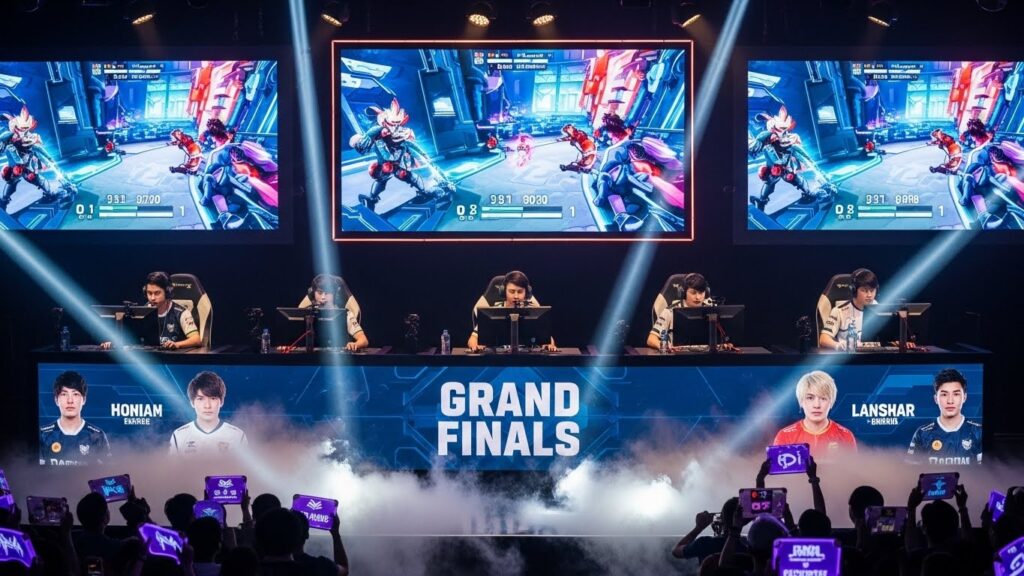
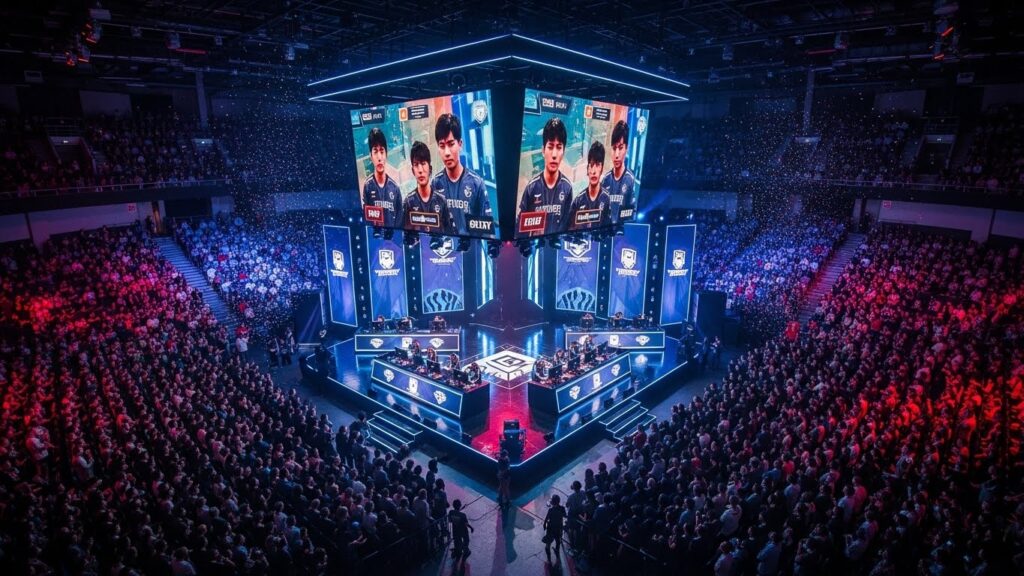
Esports, or competitive video gaming, has emerged as one of the most dynamic and rapidly growing industries in the world. What began as casual competitions among friends has transformed into a multi-billion-dollar sector with professional teams, global tournaments, sponsorship deals, and millions of passionate fans. Unlike traditional sports, esports transcends geographical boundaries, enabling players to compete and audiences to engage from anywhere in the world.
In this blog, we will explore the history and evolution of esports, the types of games that dominate competitive play, technological innovations that drive the industry, social and cultural impacts, economic significance, and future trends.
The History of Esports
The roots of esports trace back to the 1970s and 1980s, when early video game competitions began in arcades and college campuses. Games like Pong, Space Invaders, and later Street Fighter provided the first platforms for competitive gaming. High scores and local tournaments created the initial sense of community and competition.
The 1990s introduced online multiplayer games, marking a significant turning point. Titles like StarCraft, Quake, and Counter-Strike allowed players to compete globally, setting the stage for professional esports. By the early 2000s, organized leagues, sponsorships, and prize pools began to formalize competitive gaming, transforming it into a professional industry.
Types of Esports Games
Esports encompasses a wide variety of genres, each with unique competitive dynamics and communities.
First-Person Shooters (FPS)
FPS games such as Counter-Strike, Call of Duty, and Valorant focus on precision, strategy, and teamwork. Players must exhibit quick reflexes, spatial awareness, and tactical coordination to succeed. FPS titles remain a staple of competitive esports, with global tournaments drawing millions of viewers.
Multiplayer Online Battle Arenas (MOBA)
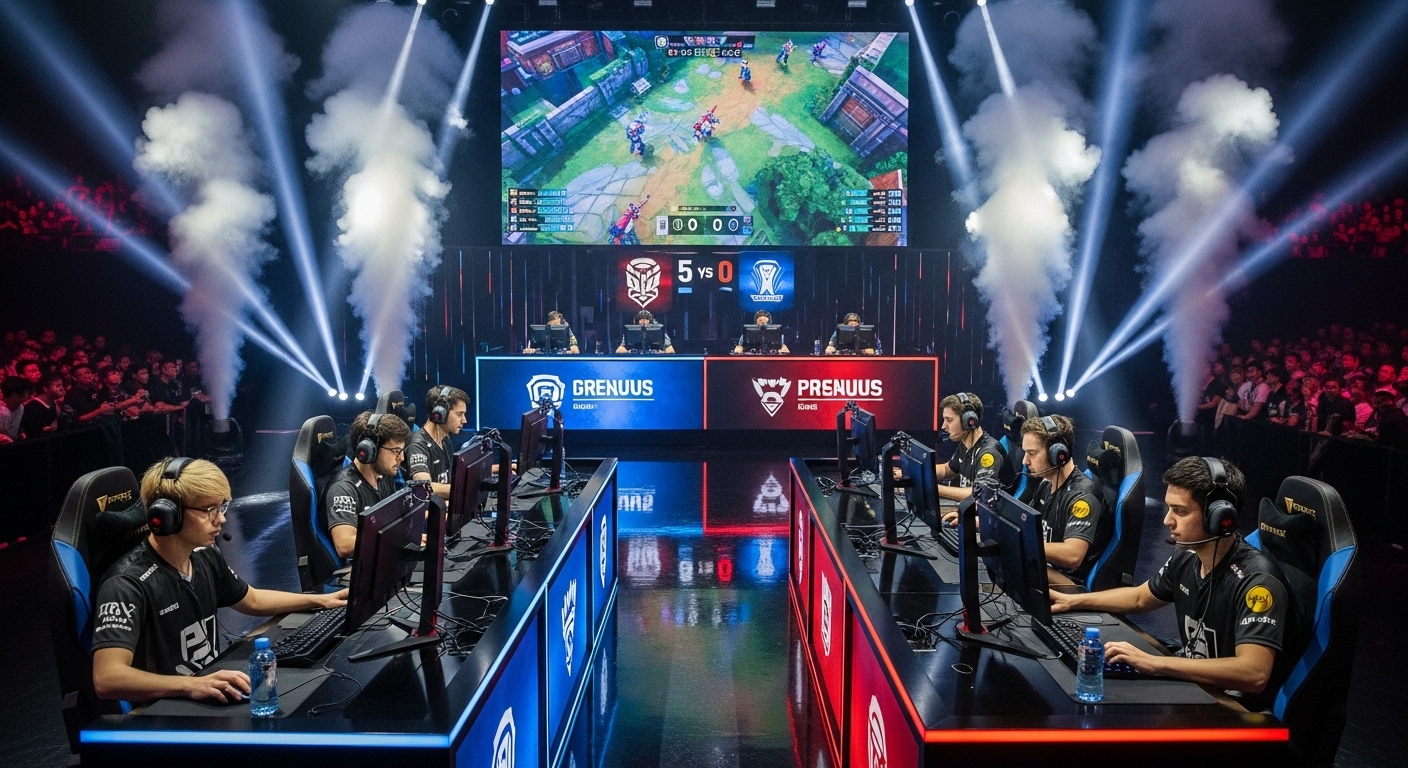
MOBA games like League of Legends and Dota 2 emphasize team strategy and coordination. Players assume specific roles within teams, working together to defeat opponents and achieve objectives. MOBAs are highly strategic, requiring both individual skill and teamwork, making them popular in professional esports leagues.
Sports Simulation Games
Esports also includes digital simulations of real-world sports, such as FIFA and NBA 2K. These games combine traditional athletic skills with strategic thinking and adaptability. Competitive tournaments for sports simulation games attract fans of both the video game and the real-world sport.
Battle Royale and Survival Games
Games like Fortnite and PUBG feature large-scale survival competitions where players fight to be the last one standing. These titles emphasize adaptability, quick decision-making, and resource management. Battle royale games have revolutionized the esports landscape by blending individual skill with large-scale strategy.
Fighting Games
Fighting games such as Street Fighter and Tekken test players’ reflexes, timing, and strategic thinking. One-on-one competitions highlight individual skill, making fighting games a unique and enduring segment of esports.
Technological Innovations Driving Esports
Technology has been integral to the growth and sustainability of esports. From hardware to streaming platforms, innovations have transformed how players compete and audiences engage.
High-Performance Gaming Hardware
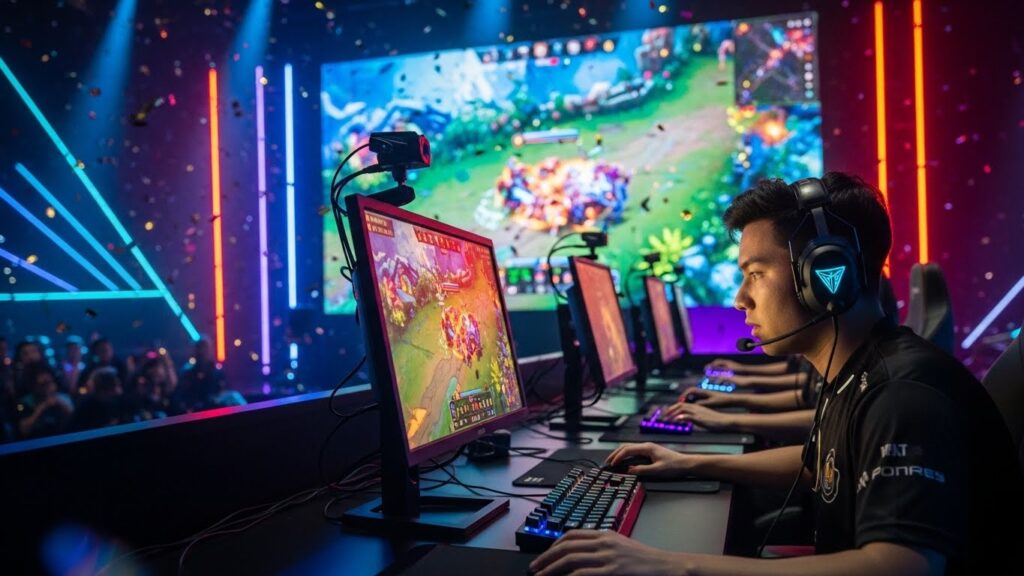
Professional esports relies on high-end hardware, including gaming PCs, consoles, monitors, and peripherals. Performance is critical, as even minor delays can influence outcomes. Advanced hardware ensures smooth gameplay, precise controls, and immersive experiences.
Internet and Online Infrastructure
Stable, high-speed internet connectivity allows players to compete globally in real time. Dedicated servers, low-latency networks, and cloud technologies have enabled large-scale tournaments and online leagues, making esports accessible to millions of participants.
Streaming and Broadcasting Technology
Live streaming has revolutionized how esports reaches audiences. Platforms allow players to broadcast matches to millions of viewers, engage with fans in real time, and provide commentary and analysis. Streaming has transformed esports into a spectator-driven industry, expanding its cultural impact and reach.
Artificial Intelligence and Analytics
AI and data analytics enhance competitive play by tracking player performance, predicting outcomes, and supporting strategy development. Teams use analytics to refine tactics, improve coordination, and gain a competitive edge, adding a scientific dimension to esports competition.
Virtual Reality and Immersive Gaming
While still emerging, VR is set to expand esports experiences. Virtual reality games create fully immersive environments, allowing players and viewers to engage with digital worlds in ways that traditional displays cannot replicate. As VR becomes more accessible, it may redefine the future of competitive gaming.
The Professionalization of Esports
Esports has become a structured and professional industry. Players join teams, receive coaching, and participate in rigorous training routines. Organizations employ managers, analysts, psychologists, and nutritionists to optimize performance and maintain player well-being.
Professional leagues such as the League of Legends Championship Series, the Overwatch League, and the Call of Duty League have established consistent competition schedules, large prize pools, and global fan bases. Sponsorships and media rights have created additional revenue streams, allowing esports organizations to grow into full-fledged businesses.
Social and Cultural Impact of Esports
Esports has created communities that transcend borders and cultures. Online platforms, forums, and social media connect players and fans worldwide. Esports events are social experiences where people share strategies, celebrate victories, and engage in fandom culture.
The popularity of esports has also influenced mainstream culture. Professional players are celebrities, tournaments are broadcast on major media channels, and in-game events inspire music, fashion, and digital art. Esports represents a new form of social interaction where virtual achievements carry real-world recognition.
Economic Significance of Esports
The economic impact of esports is immense. It generates billions of dollars in revenue from sponsorships, advertising, ticket sales, merchandise, and media rights. Esports careers offer salaries, prize winnings, and endorsements for players, streamers, and content creators.
The industry also drives innovation in technology, media production, and digital marketing. Cities hosting major esports tournaments benefit economically through tourism, infrastructure development, and increased local business activity. Esports has become a legitimate and influential segment of the global economy.
Esports and Education
Esports has entered educational institutions, with schools and universities offering programs, scholarships, and competitive leagues. Students gain skills in teamwork, leadership, strategic thinking, and digital literacy.
These programs highlight esports as a viable career path, providing opportunities in game development, management, analytics, broadcasting, and professional play. Educational initiatives contribute to legitimizing esports as both a competitive and academic pursuit.
Challenges and Responsibilities in Esports
Despite its growth, esports faces challenges. Issues such as burnout, addiction, and online toxicity require careful management. Professional players often endure long hours of practice, creating physical and mental strain.
Organizations and developers have a responsibility to ensure player health and well-being. Initiatives like mental health support, scheduled breaks, and ethical gameplay standards promote sustainability and a positive industry culture. Encouraging inclusivity and fair play remains an ongoing challenge for esports communities.
The Future of Esports
The future of esports is promising. Emerging technologies such as virtual reality, augmented reality, and AI will redefine competition and spectator experiences. Cross-platform play and mobile esports will expand global reach, attracting new audiences.
Integration with mainstream media, entertainment, and education will create new opportunities for growth. Esports is likely to continue professionalizing, establishing standardized leagues, better infrastructure, and broader global recognition. Its cultural, economic, and technological influence will expand as it becomes further embedded in everyday life.
Conclusion: Esports as a Cultural and Competitive Revolution
Esports has evolved from casual gaming into a global competitive and cultural phenomenon. It merges technology, strategy, entertainment, and community, creating experiences that resonate across generations and geographies.
As esports continues to professionalize and expand, it will shape the future of digital competition, social interaction, and entertainment culture. Esports is more than just gaming; it is a transformative force that redefines how people play, compete, and connect in the digital age. The rise of esports represents a new era of global entertainment, where skill, strategy, and community converge to create experiences unlike any other.