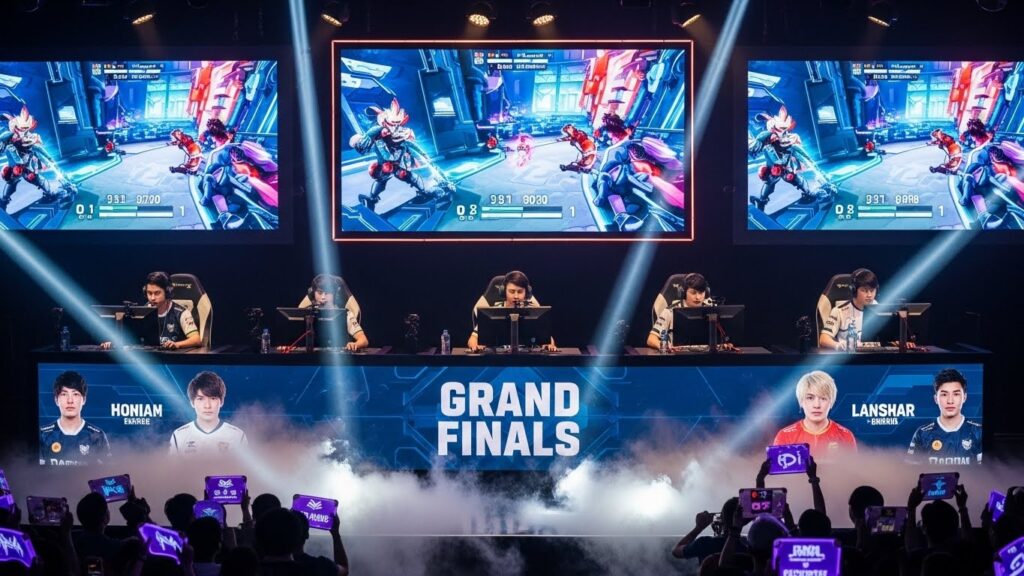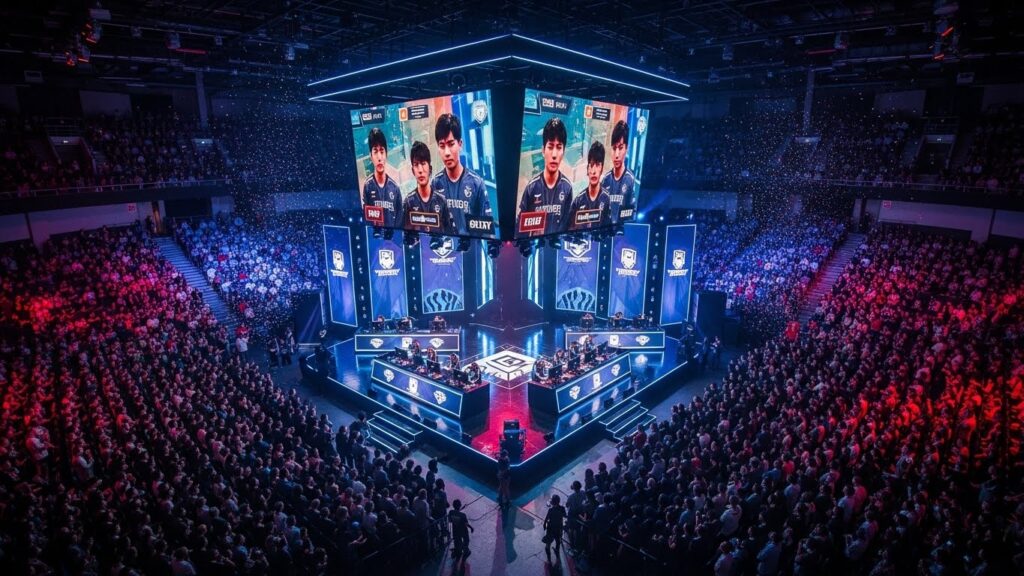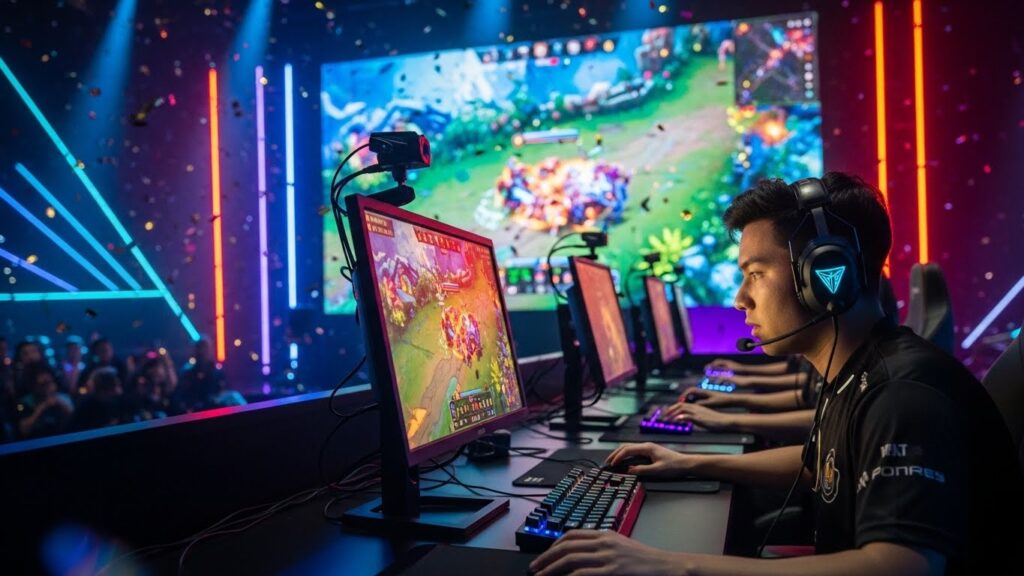
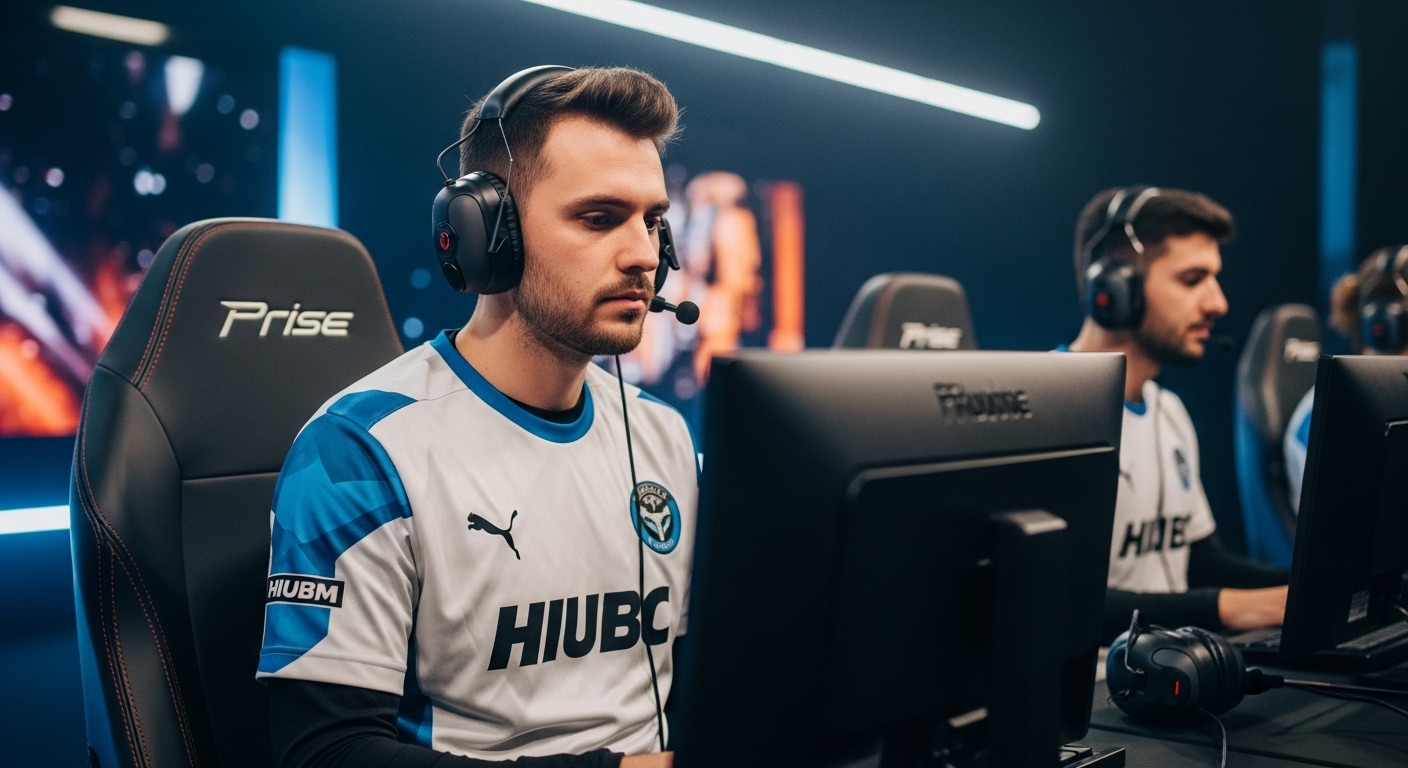
Esports, or electronic sports, has experienced a meteoric rise in popularity over the last two decades, transforming from a niche hobby into a global phenomenon. It has rapidly become a multi-billion-dollar industry, attracting millions of viewers, players, and sponsors worldwide. From competitive gaming tournaments to professional leagues, the Esports landscape is vast and ever-evolving. This blog post delves into the fascinating world of Esports, tracing its history, evolution, impact, and the factors that have made it a dominant force in entertainment today.
What is Esports?
At its core, Esports refers to competitive video gaming, where individuals or teams compete against each other in various video game titles. Esports tournaments are held at local, regional, national, and global levels, with participants ranging from casual players to elite professionals. These competitions can be organized for a wide range of games, including real-time strategy games like StarCraft, multiplayer online battle arena (MOBA) games like League of Legends, first-person shooters (FPS) such as Counter-Strike and Overwatch, and battle royale games like Fortnite.
Unlike traditional sports, Esports doesn’t require physical prowess or athleticism, but instead demands a high level of skill, strategic thinking, and quick reflexes. Professional Esports athletes train extensively to hone their skills, and the level of competition can be just as intense, if not more, than traditional sports.
The Early Beginnings of Esports
Esports as we know it today began to take shape in the late 1990s and early 2000s. The advent of the internet and online multiplayer gaming created new possibilities for gamers to compete with others around the world. Some of the first major competitive gaming events occurred in the late 1990s, with tournaments such as the Red Annihilation tournament for Quake in 1997, where the first real “Esports stars” began to emerge.
During this time, PC gaming was at the forefront, and the rise of games like StarCraft, Quake, and Warcraft laid the foundation for future Esports events. The 2000s marked a turning point as the growth of broadband internet allowed gamers to connect globally, creating the foundation for online tournaments and competitions.
In 2000, the Cyberathlete Professional League (CPL) was founded, one of the first professional Esports leagues. The CPL hosted tournaments for popular games such as Quake III Arena and Counter-Strike, attracting players from across the world and drawing significant attention to competitive gaming. However, Esports was still largely niche during this time, with limited media coverage and fewer commercial opportunities.
The Growth of Esports in the 2010s
The real turning point for Esports came in the 2010s, when the industry began to gain mainstream attention. Several factors contributed to this boom:
The Rise of Streaming Platforms
The launch of platforms like Twitch in 2011 revolutionized the way Esports was consumed. Twitch allowed gamers to stream their gameplay live, creating a direct connection between players and fans. Viewers could now watch their favorite players or teams in real-time, and with millions of people tuning in to watch Esports events, Twitch quickly became the go-to platform for competitive gaming.
Streaming services not only helped Esports gain visibility but also allowed players to monetize their content through ads, sponsorships, and fan donations. This opened the door for aspiring professional gamers to make a living off their skills, fueling the growth of the industry.
Major Tournaments and Leagues
In the early 2010s, Esports tournaments began to gain significant traction, with massive prize pools, professional commentary, and global media coverage. The League of Legends World Championship, for example, quickly grew to become one of the largest and most prestigious tournaments in Esports, attracting millions of viewers every year.
Esports leagues such as the Overwatch League, Call of Duty League, and ESL Pro League have brought structure and legitimacy to competitive gaming. These leagues, often featuring teams with players under long-term contracts and substantial salaries, have helped elevate Esports into the mainstream.
Sponsorships and Commercialization
As Esports began to gain traction, it attracted major brands and sponsors. Companies like Coca-Cola, Intel, and Red Bull began sponsoring tournaments, players, and teams, bringing much-needed financial support to the industry. Esports sponsorship deals have grown exponentially over the years, contributing to the industry’s financial success.
The increase in sponsorships also helped Esports gain more credibility, turning it from a niche hobby into a legitimate business. Corporate sponsorships allowed professional players to earn substantial salaries and receive benefits similar to traditional athletes.
Esports Becoming a Mainstream Entertainment Option
By the mid-2010s, Esports had evolved beyond just competitive gaming. Major sports networks, including ESPN, began airing Esports events, offering broader exposure to global audiences. Esports tournaments became a central part of popular culture, drawing attention from all corners of the entertainment industry. Celebrities, influencers, and even traditional athletes began investing in Esports teams and tournaments, cementing Esports as a legitimate form of entertainment.
The genre also expanded beyond video games, with events attracting cosplayers, streamers, and fans who enjoyed the culture surrounding Esports. Conventions such as PAX and E3 started hosting Esports tournaments, bringing together thousands of fans to celebrate their love for gaming.
Esports and Its Global Impact
Esports as a Profession
Esports has evolved into a full-fledged career option for many players. Professional gamers now compete in leagues with salaries, benefits, and sponsorship deals. Top players can earn millions of dollars in tournament winnings, streaming income, and sponsorships. But the life of a professional gamer is not easy. Players train for hours each day to sharpen their skills, often living in team houses and dedicating their entire lives to the game.
Additionally, Esports has created a thriving ecosystem of support staff, including coaches, analysts, broadcasters, and event organizers. The business surrounding Esports has created thousands of jobs worldwide, and as the industry grows, so too do the opportunities within it.
The Rise of Esports Universities and Scholarships
As Esports has become a recognized career path, many universities and colleges worldwide have begun offering Esports programs and scholarships. These programs provide a structured path for young gamers to pursue a professional career while also getting an education. Students can earn scholarships to play for their school’s Esports teams, competing in national leagues and tournaments.
These programs have created a pipeline for aspiring gamers to transition from amateur players to professionals. Some schools have even built state-of-the-art gaming facilities, solidifying the importance of Esports in modern education.
The Esports Fanbase
Esports has garnered an enormous fanbase worldwide. According to a study by Newzoo, the global Esports audience surpassed 500 million viewers in 2020, a number expected to grow in the coming years. Fans from all over the world watch tournaments, follow their favorite players and teams, and interact with other fans through social media platforms and online communities.
Esports fans are highly engaged, with many watching live broadcasts of tournaments and spending hours each week consuming Esports content. The Esports fanbase is also diverse, spanning multiple demographics, and has helped break down barriers in traditional sports. Esports tournaments are watched by people of all ages and backgrounds, proving that gaming is no longer a pastime for a specific group but a global cultural movement.
The Role of Social Media in Esports
Social media platforms, especially Twitter, YouTube, and Instagram, have played a massive role in the growth of Esports. Players and teams use these platforms to interact with fans, promote their brand, and share content. Esports organizations have become highly professional, employing dedicated social media managers to handle their online presence and engage with fans.
Esports influencers, such as streamers and content creators, have amassed millions of followers on platforms like YouTube and Twitch. These influencers have turned Esports into a multi-faceted entertainment industry, where not just players, but also commentators, analysts, and content creators have a significant impact on the community.
The Future of Esports
As Esports continues to grow, it is clear that the industry is heading toward even greater heights. Several trends indicate that Esports will only continue to expand:
Virtual Reality (VR) and Augmented Reality (AR) Esports
One of the most exciting developments in Esports is the potential integration of virtual reality (VR) and augmented reality (AR) technology. These technologies have the potential to create new and immersive ways to experience competitive gaming, providing players and spectators with unparalleled experiences.
VR and AR could allow players to interact in more dynamic environments, and spectators could watch games from perspectives never before possible. As VR and AR technology continue to improve, Esports could become an even more interactive and visually engaging form of entertainment.
The Globalization of Esports
Esports is already a global phenomenon, with major tournaments being held across different continents. However, the continued expansion into regions like Africa, South America, and Southeast Asia presents immense opportunities for the industry. As Esports grows globally, it could become even more diverse, with new players, teams, and sponsors entering the market.
The Rise of Esports in Traditional Sports
Esports and traditional sports have increasingly started to overlap. Many professional sports teams have acquired Esports teams or started their own Esports franchises, bringing the two industries closer together. Furthermore, some professional athletes have ventured into the world of Esports, investing in teams or playing games themselves.
Esports could eventually be included in traditional sports events, with the possibility of Esports making its way into the Olympic Games. The inclusion of Esports in large sporting events would further legitimize its place in the global entertainment landscape.
Conclusion
Esports has undeniably become one of the most exciting and dynamic industries in entertainment today. From its humble beginnings in the late 1990s to its current status as a multi-billion-dollar global phenomenon, Esports has made an indelible mark on the world of gaming and entertainment. As technology continues to evolve and new innovations emerge, the future of Esports looks incredibly bright. Whether you’re a player, fan, or casual observer, there’s no denying that Esports is here to stay, and its influence will only continue to grow in the years to come.